
5-Day Reset for GLP-1 Users: A Step-by-Step Protocol
Published at: September 09, 2026
Published at: September 09, 2026

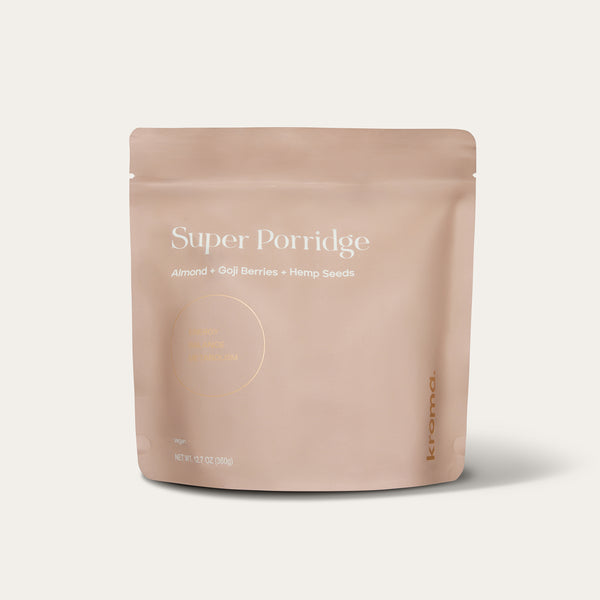

Super Porridge / Multi-Serving
The prescription is the easy part. The harder question — the one nobody hands you a plan for — is what to actually eat once your appetite disappears.
Quick answer: Focus on protein first at every meal (aim for 1.2–1.6g per kg of body weight daily), eat smaller portions more frequently instead of three big meals, and stay ahead of hydration to reduce nausea. Good options include bone broth, Greek yogurt, eggs, shredded chicken, tofu, and protein smoothies — anything small in volume but high in protein and easy to digest.
Most people starting a GLP-1 medication get dosing instructions and a follow-up date. What they don't get is a GLP-1 diet plan — a clear answer to what to eat on Ozempic or what to eat on Wegovy when three bites feels like enough and food stops sounding appealing. Here's a step-by-step, 5-day framework to fill that gap.
Before the day-by-day plan, three principles anchor every semaglutide diet:
This isn't five days of restriction — it's five days of rebuilding the habit of eating enough, in a way your body can actually tolerate.
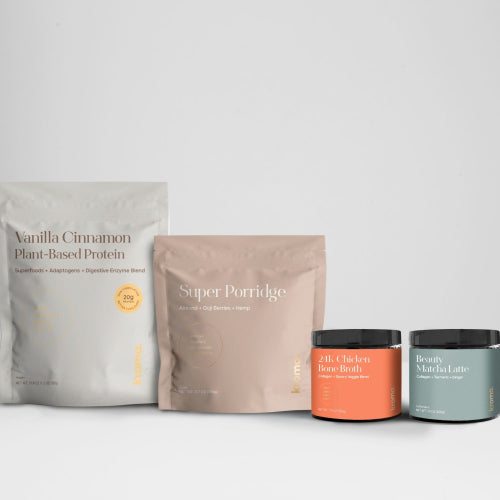
Start the day with a protein source you can stomach even with low appetite — a warm 24K Chicken Bone Broth (12g protein) works when solid food doesn't. Sip water consistently; dehydration worsens nausea. Aim for three small meals rather than forcing three normal-sized ones.|
Appetite often dips hardest in the morning. A Super Porridge delivers 8g of complete plant protein in a small, easy-to-digest volume — far more practical than forcing down eggs you don't want.
By day three, focus on hitting protein at each meal, even in small amounts: a scoop of plant protein in a smoothie, a few bites of broth-based soup, a handful of nuts. Small and frequent beats large and occasional.
Light walks or short resistance sessions signal your body to preserve muscle rather than burn it. This is the single most overlooked lever in preventing muscle loss on a GLP-1 — food alone doesn't do the whole job.
Notice what worked: which meals you tolerated, which times of day appetite was highest, what your energy felt like. Carry those patterns forward — this 5-day window is meant to become your ongoing template, not a one-time reset.
The appetite suppression that makes GLP-1s effective is also what puts muscle at risk. Preventing muscle loss on Ozempic comes down to two things working together: protein and resistance.
Aim for 1.2–1.6 grams of protein per kilogram of body weight daily — higher than standard guidelines, because appetite suppression makes it easy to fall short without noticing. A high-protein diet on Ozempic isn't about eating more overall; it's about making sure protein is never the thing you skip when appetite is low.
For the full science behind why this matters, see our companion piece on why high-protein cleanses work with GLP-1s.
The best Glp-1 friendly meals share three traits: small volume, high protein density, and easy digestion. A few go-to combinations:
Breakfast: Super Porridge or a smoothie with plant protein — soft, small, and protein-forward.
Lunch: A cup of bone broth with a few bites of soft protein (eggs, shredded chicken, tofu).
Dinner: A small portion of lean protein with well-cooked vegetables — easier to digest than raw or fibrous options.
Snacks: Greek yogurt, a protein shake, or a handful of nuts when a full meal feels like too much.
If building this from scratch feels like too much on top of everything else, the Kroma 5-Day Reset packages this exact structure — pre-portioned, protein-anchored meals designed for low-appetite days — so the ozempic meal plan is already built for you.
A Glp-1 diet plan doesn't need to be complicated, but it does need to be intentional. Appetite suppression alone doesn't protect your muscle, your energy, or your long-term results — what you eat in the gaps does.
Five days of small, protein-anchored, easy-to-digest meals is enough to build the habit. After that, it's just repetition.
Make your GLP-1 nutrition simple. Explore the Kroma 5-Day Reset and our GLP-1 Companion Bundle — built to make protein and nourishment the easy default, not the daily struggle.
References:
GLP-1 Diet: Foods to Eat and Foods to Avoid | Healthline
Ozempic: Best and Worst Foods to Eat While Taking Weight Loss Drugs | Healthline
Nutrition support whilst on GLP-1 based therapy: resistance training and protein intake to preserve muscle mass | PubMed
Enhanced protein intake for maintaining muscle mass and strength during weight loss: a systematic review and meta-analysis
Last Edited: September 09, 2026
Super Porridge / Multi-Serving