Adaptogens for stress have moved from health-store shelves into mainstream wellness and for good reason. These herbs and mushrooms help the body adapt to physical and mental stressors by supporting cortisol balance, energy, and resilience. But not every adaptogen is right for every type of stress. Here's a breakdown of which ones actually work, what they do, and how to choose the right one for you.
How Adaptogens Work
Adaptogens are a small group of herbs and mushrooms that help the body "adapt" to stress. Instead of stimulating or sedating like caffeine or alcohol, they work by modulating the hypothalamic-pituitary-adrenal (HPA) axis — the system that controls your stress response.
When cortisol runs high for too long, you feel wired-but-tired: anxious, sleep-deprived, and unable to switch off. When it runs too low, you feel drained, foggy, and unmotivated. Adaptogens help nudge cortisol back toward balance, which is why they're useful for both burnout and acute stress. If you want a deeper primer, here's how adaptogens compare to nootropics.
Ashwagandha for Stress
Ashwagandha is the most-studied adaptogen for stress, and the research is strong. Clinical trials show daily ashwagandha can lower cortisol by 20–30% in chronically stressed adults, along with improvements in sleep quality, anxiety scores, and energy.
It's best suited for people in the "wired" phase of stress — racing thoughts, poor sleep, tight shoulders, irritability. Ashwagandha works gradually; most people notice a difference after two to four weeks of consistent use. You'll find it in Kroma's Change Your Life Chai Latte, blended with reishi and cordyceps for a calming morning or afternoon ritual.
Reishi for Stress and Sleep
Reishi is sometimes called the "queen of mushrooms" — and unlike most adaptogens, its strength is in the evening. Reishi has mild calming properties that support deeper, more restorative sleep, which is one of the most underrated stress interventions.
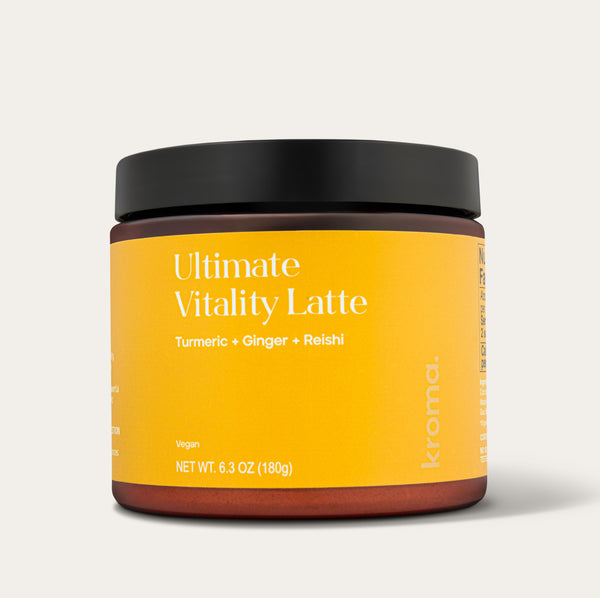
If your stress shows up as poor sleep, low immunity, or constant low-grade inflammation, reishi may be the better choice over a stimulating adaptogen. Kroma's Ultimate Vitality Latte pairs reishi with turmeric and ginger — caffeine-free and perfect as a nightcap.
Rhodiola for Burnout and Brain Fog
Rhodiola is the adaptogen of choice for the "crashed" end of the stress spectrum: exhausted, foggy, unmotivated. Studies suggest rhodiola can improve mental performance under fatigue, reduce burnout symptoms, and boost energy without the jitters of caffeine.
It works faster than ashwagandha — many people feel the difference within days, but it's also more stimulating, so it's best taken in the morning. Avoid it in the evening if you're sensitive.
Holy Basil for Anxiety
Holy basil (also called tulsi) has a long history in Ayurvedic medicine for managing anxiety and emotional stress. Research is smaller-scale than ashwagandha but consistent: holy basil may reduce anxiety symptoms, support mood, and lower stress-related blood sugar spikes.
Holy basil works well alongside other adaptogens and is gentle enough for daily use.
How to Choose the Right Adaptogen

Match the adaptogen to the type of stress you're experiencing:
-
Wired and anxious? Start with ashwagandha or holy basil. Both lower cortisol and calm the nervous system without sedating you.
-
Tired and foggy? Rhodiola is the better fit. It restores energy and mental clarity without overstimulation.
-
Poor sleep and low immunity? Reishi is your evening adaptogen. Pair it with magnesium and a wind-down routine for deeper rest.
-
Not sure where to start? Look for a product that combines several adaptogens. Kroma's Change Your Life Chai Latte includes ashwagandha, reishi, cordyceps, and turmeric — a balanced blend that covers cortisol, mood, and immunity in one cup.
Most adaptogens are well-tolerated, but they're not for everyone. Pregnant or breastfeeding individuals, people with autoimmune conditions, and anyone on thyroid or blood pressure medication should check with a healthcare provider before starting.
Ready to build a stress-support routine? Explore Kroma's functional latte collection — adaptogen-rich blends crafted to fit naturally into your morning or evening ritual.
FAQ: Adaptogens for Stress
How long do adaptogens take to work?
It depends on the adaptogen. Rhodiola can produce noticeable effects within a few days, while ashwagandha and reishi typically need two to four weeks of consistent daily use before changes in stress, sleep, and energy become clear. Adaptogens work best as a daily routine, not an occasional fix.
Can I take more than one adaptogen at a time?
Yes — and many traditional formulas combine adaptogens intentionally. Blends like ashwagandha, reishi, and cordyceps cover different angles of stress (cortisol, sleep, energy) without overlapping doses. Start with a blended product before stacking individual supplements.
Are adaptogens safe long-term?
For most people, yes. Adaptogens like ashwagandha and reishi have been used safely for thousands of years in Ayurvedic and Traditional Chinese Medicine. That said, it's reasonable to take occasional breaks (one week off every few months) and to review your routine with a healthcare provider if you take prescription medications.
Do adaptogens help with anxiety?
Several adaptogens have been studied for anxiety, particularly ashwagandha and holy basil. They aren't a replacement for clinical treatment, but they can be a useful daily support for mild to moderate stress-related anxiety. If anxiety is interfering with daily life, talk to a mental health professional.
References:
Last Edited: June 09, 2026