None of this means you're destined to regain. It means the strategies that worked while you were on the medication need to be replaced with strategies built specifically for the maintenance phase. The bar isn't higher — it's just different.
How to Maintain Weight Loss After Ozempic: 6 Strategies That Actually Work
There's no shortcut to GLP-1 maintenance, but there's a clear playbook. The people who hold their results long-term are doing some version of all six of the following.

Taper Off the Medication — Don't Just Stop
One of the biggest mistakes people make when coming off a GLP-1 is stopping abruptly. The sudden return of appetite — combined with no plan for managing it — is what drives the steepest regain. A gradual taper, ideally guided by your prescriber, lets your body adjust more slowly: appetite returns in stages rather than all at once, giving you time to build the eating habits that will replace the medication's appetite control.
Some people taper over weeks; others may benefit from a low-maintenance dose long-term. Both are legitimate clinical strategies, and the right one depends on your individual goals, side-effect history, and what your insurance and budget allow. Whatever the path, the principle is the same: ramp down deliberately, not impulsively.
Make Protein Non-Negotiable
Protein was important on the medication. Off of it, protein becomes the single biggest variable in whether your maintenance phase works. Adequate protein continues to protect muscle, supports satiety as natural appetite returns, and gives your body the building blocks to defend the lean mass it already has.
Aim for at least 1.2 grams of protein per kilogram of body weight daily — and probably closer to 1.6 g/kg if you're actively training. Spread it across the day; the goal is consistent intake at every meal, not one big load. For a deeper look at the protein-and-GLP-1 relationship before you taper, see our companion piece on how to naturally boost your GLP-1 production.
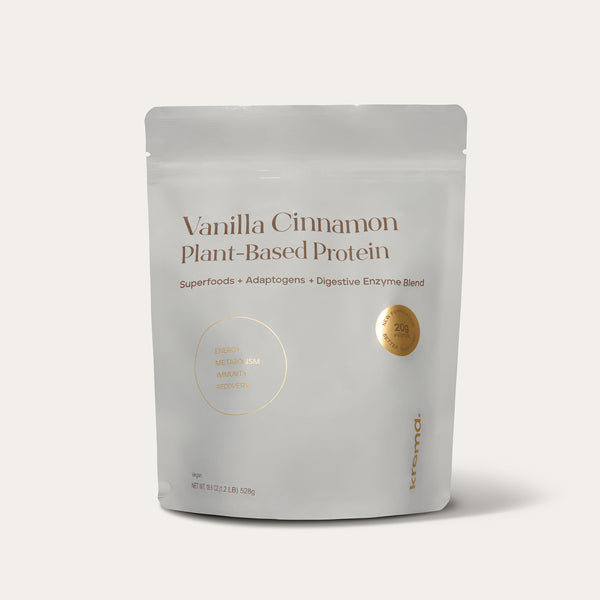
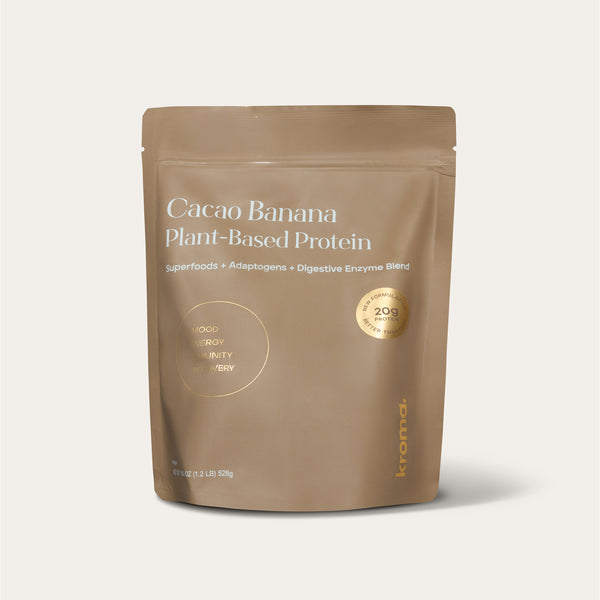
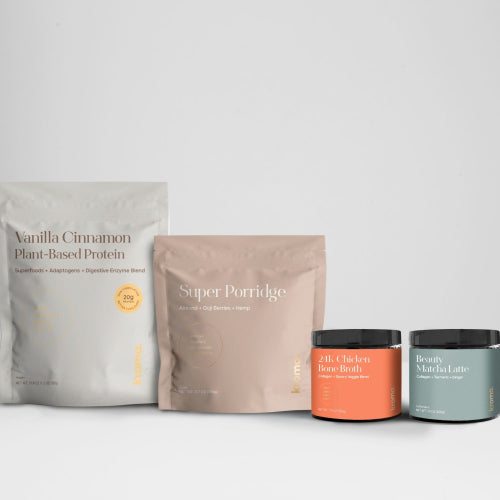
Kroma tip: Plant-Based Protein is a low-effort way to anchor your daily target — particularly useful as appetite returns and the temptation to default to lower-protein convenience foods increases.
Use a Strategic Reset to Re-Anchor Your Habits
The transition off a GLP-1 is one of the moments where a structured, high-protein reset earns its keep. Done at the right time — typically a few weeks into your taper or just after stopping — a reset re-anchors your eating habits, gives your digestive system a defined framework while it re-learns natural hunger signals, and resets your relationship with portion size and food choices without the medication doing it for you.
Kroma tip: The Kroma 5-Day Reset is specifically designed for this kind of transition. High-protein, anti-inflammatory, and built around nourishment rather than restriction, it's the kind of reset that protects body composition rather than depleting it — which is exactly what matters when you're trying to hold a hard-won result.

Resistance Training Is the New Medication
If protein protects muscle, resistance training builds it. Once the medication is out of your system, building muscle becomes the single most powerful lever for maintaining your new weight long-term — because every pound of muscle gained directly increases your metabolic rate and your calorie tolerance.
Two to four sessions per week of meaningful resistance training is enough. It doesn't have to be a gym; bodyweight work, resistance bands, or simple dumbbell routines at home all qualify. What matters is progressive load — gradually challenging your muscles to do more than they did last week. This is the variable that separates people who hold their GLP-1 results from people who don't.
Protect Sleep and Manage Cortisol
Sleep deprivation drives ghrelin (the hunger hormone) up and leptin (the satiety hormone) down — a combination almost designed to undermine maintenance. Chronic stress and elevated cortisol do something similar: they increase cravings, drive abdominal fat storage, and erode the muscle you're working to build.
Once you're off the medication, your nervous system is doing the work that GLP-1 was doing chemically. That makes the basics — seven to eight hours of sleep, daily stress regulation, and morning daylight — substantially more important than they were while you were medicated.
Rebuild Gut Health for Long-Term Maintenance
GLP-1 medications slow gastric emptying for months. When you stop, the digestive system often needs time to recalibrate — and that transition period is when many people experience bloating, irregular hunger cues, and inconsistent energy. Supporting gut integrity during this window helps you absorb the protein and nutrients you're prioritizing, and helps your body's natural satiety signals re-emerge more reliably.
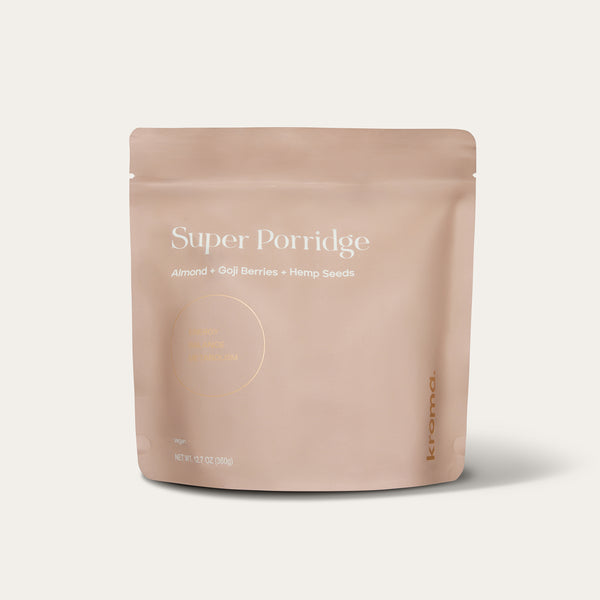
Kroma tip: Super Core — Kroma's dairy-free colostrum — supports gut lining integrity and reduces inflammation, which is especially valuable in the weeks just after you stop the medication. Pair it with Super Porridge for an easy, protein-and-fiber-rich breakfast that anchors stable blood sugar through the morning.

FAQ: Maintaining Your Results After GLP-1
How much weight will I regain after stopping Ozempic?
Clinical research shows the average person regains roughly two-thirds of their lost weight within a year of stopping semaglutide, with most projected to return to baseline within 1.5 to 2 years. But these are averages — and a meaningful percentage of people maintain their results long-term with the right protein, training, and lifestyle strategies in place.
What's the best way to come off Ozempic without regaining?
Don't stop abruptly — taper gradually under medical supervision so appetite returns in stages. Hit a daily protein target of at least 1.2 g per kilogram of body weight. Add resistance training two to four times per week. Protect sleep and manage stress. And consider a structured high-protein reset to re-anchor your habits during the transition.
How long does it take to feel normal after coming off Ozempic?
Most people notice appetite returning within one to two weeks of their last dose, with digestive function (gastric emptying, hunger cues) normalizing over four to eight weeks. The first three months are typically the highest-risk window for GLP-1 weight regain — which is why the habits and supports you put in place during that window matter most.
Maintenance Is the New Phase, Not the End of the Story

The framing most people bring to coming off a GLP-1 is that the work is done — the medication delivered the result, and now they just need to not undo it. That framing almost guarantees regain.
The more accurate framing: the medication closed a chapter, and the next one is yours to write. Maintenance isn't passive. It's a different phase with different tools, different habits, and a different relationship with your body — one where you're now the one driving the outcome instead of the medication driving it for you.
The people who succeed long-term tend to share a few things in common. They didn't treat the medication as a finish line. They built habits while they were on it that they could continue without it. They prioritized muscle, protein, sleep, and movement throughout — not just at the end. And they treated the transition as the actual challenge, not the medication phase that came before it.
Two-thirds regain is the average. It doesn't have to be yours. With the right plan — and the right tools — your results can be the start of a new baseline, not a temporary one.
Make your maintenance phase work. Explore the Kroma 5-Day Reset and our Protein Collection — designed to protect muscle, fuel your metabolism, and make the transition off GLP-1 a foundation, not a setback.
References: