Camu Camu: Benefits, Powder Uses, and How to Take This Vitamin C Superfruit
Published at: August 29, 2025
Published at: August 29, 2025

Camu camu (Myrciaria dubia) is a small, tart berry from the Amazon rainforest, known for having one of the highest vitamin C concentrations of any fruit. People native to the Amazon have used it for generations, and today it is most often sold as camu camu powder or in capsules.
At Kroma Wellness, we love giving you easy, attainable ways to support your health, and camu camu is a great example. It is unpretentious, it thrives in tough conditions, and it packs a big nutritional punch in a tiny package. Below, we cover what camu camu is, how much vitamin C it contains, its potential benefits (and what the research does and doesn't show), how to choose a powder or supplement, easy ways to use it, and who should be cautious.
Key takeaways
Camu camu is a shrub native to the swampy areas and flooded riverbanks of the Amazon in Brazil, Colombia, Peru, and Venezuela. It produces round berries about the size of a grape, with a cranberry-like look and yellow tones. The whole fruit, including the pulp, skin, and seeds, can be consumed, and many cultures have used it in healing remedies for hundreds of years.
Because the berry is extremely sour, people outside the regions where it grows rarely eat it fresh. It is usually dried and ground into powder or put into capsules.
Camu camu is one of the richest known fruit sources of vitamin C. Analyses of the fresh fruit report figures that vary widely, often in the range of 1,000–3,000 mg per 100 g, which is far more than an orange by weight. The concentration in powder depends on the growing region, ripeness, and processing, and many powders provide several hundred milligrams per teaspoon.
For context, the recommended daily intake for adults is 75 mg for women and 90 mg for men, with an upper limit of 2,000 mg per day. Check your product's Supplement Facts panel rather than assuming a number.
Want the fundamentals? See our guide to vitamin C benefits and daily needs and our roundup of vitamin C-rich foods.
The benefits of camu camu are still being studied. Here is what is reasonably supported and what is still preliminary.
Free radicals are unstable molecules created naturally when you metabolize food, or through exposure to radiation, tobacco, and other toxins. They contribute to oxidative stress. Antioxidants neutralize free radicals by donating electrons without becoming free radicals themselves. Vitamin C is a well-established antioxidant, and camu camu also contains other plant compounds studied for antioxidant activity. A systematic review of camu camu's antioxidant capacity supports this, though much of the evidence comes from lab and small studies.
Vitamin C plays a role in normal immune function, which is a big reason camu camu has long been used in traditional remedies. Getting enough vitamin C from food or supplements supports your immune system as part of a balanced lifestyle. It is not a cure or a guaranteed preventive for illness. Learn more in how to support your immune system naturally.
Vitamin C and antioxidants are part of a heart-healthy diet, and camu camu also provides some fiber, which is associated with healthy cholesterol levels. One small human study looked at camu camu's effect on blood glucose and lipids in healthy adults. More research is needed before drawing firm conclusions.
Early research suggests camu camu may support healthy blood sugar levels, and some data hint at effects on blood vessel dilation. These findings are preliminary and should not be treated as a replacement for medical care. If you manage blood sugar or blood pressure, talk to your doctor first.
Some animal studies, including a rat model of diet-induced obesity, have explored how camu camu may influence weight and the gut microbiome. A healthy gut microbiome is associated with better nutrient absorption and metabolism. However, there is no strong human evidence that camu camu causes weight loss.
Vitamin C is involved in collagen production and helps protect skin from oxidative damage, which is one reason it is popular in wellness routines.
Camu camu contains small amounts of minerals such as manganese, zinc, copper, and iron. A typical powder serving is small, so it is best viewed as a vitamin C and antioxidant source rather than a significant mineral source.
| Form | Best for | Considerations |
|---|---|---|
| Powder | Smoothies, yogurt, oats, dressings; flexible dosing | Very tart; store sealed, away from heat and light |
| Capsules / supplements | Convenience, travel, no taste | Fixed dose; check the vitamin C amount and added ingredients |
| Fresh or frozen pulp | Traditional use | Hard to find outside the Amazon region; extremely sour |
What to look for in a camu camu supplement:
Very tart, with a sharp, citrus-like sourness. This is the main reason most camu camu is sold as powder. Pair it with sweet or creamy ingredients like mango, berries, banana, cherries, or yogurt to balance the flavor.
How much: Many products suggest about ½–1 teaspoon (1–3 g) per day. Start small and follow the label.
Tip: Mix it into cool or room-temperature foods. Heat can degrade vitamin C, so avoid adding it to hot dishes.
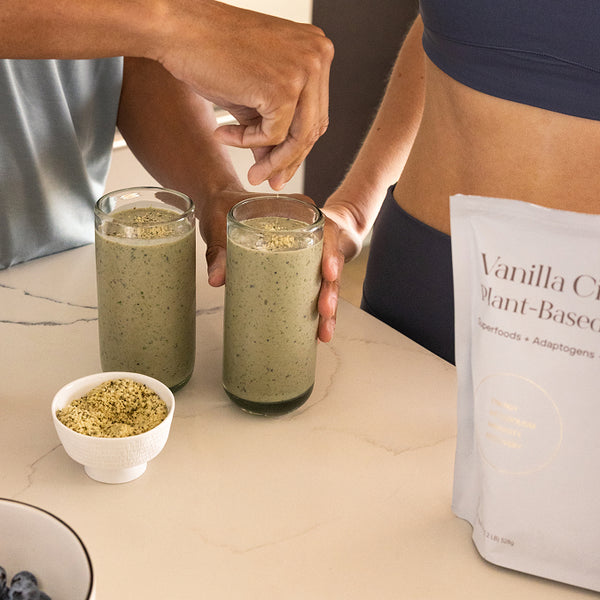
Smoothies. A smoothie is one of the easiest ways to add extra nutrients. Camu camu adds a tart note without overpowering other ingredients, and berry, mango, or citrus smoothies really pop with it. See our superfood smoothie recipes.
Overnight oats. Combine your milk of choice and oats in a mason jar, stir in flavorings like apple cinnamon, lemon ginger, or chocolate, and don't forget the camu camu powder. Refrigerate overnight and top with fresh fruit in the morning for a nutrient-rich, satisfying breakfast.
Homemade muesli. Instead of buying heavily sweetened granola, make your own. Toast oats and nuts for a more robust flavor, let them cool, then mix in dried fruit such as coconut, cherries, apricots, or raisins. Add the camu camu powder at this stage, and store it in an airtight container. Enjoy it over yogurt, in cold milk, or as a base for overnight oats.
Non-dairy yogurt. A little camu camu adds a tart pop to overly sweet store-bought yogurt. If you buy plain yogurt, adding your own flavoring lets you control sugar. It pairs well with mango, berries, and cherries. Top it with your homemade muesli.
Salad dressing. Try camu camu in your favorite dressing. Start with ½ teaspoon and adjust. It works well in nut-based dressings, raspberry vinaigrette, or ginger dressing.
More ideas: best superfood powders and how to use them.
Camu camu is generally well tolerated at typical amounts, but high vitamin C intake can cause digestive upset, such as stomach cramps, loose stools, or nausea. Talk to a healthcare professional before use if you:
Camu camu is a genuinely vitamin C-rich Amazonian fruit that has earned its place among the superfoods. Its benefits center on vitamin C and antioxidants, with promising but early research on heart, blood sugar, and metabolic health. Although the berry itself is intensely tart, the powder is easy to add to smoothies, yogurt, overnight oats, muesli, and salad dressings. Choose a clean, clearly labeled powder or supplement, start with a small serving, and pair it with a balanced diet. Play with flavors to find what works for you, and berries, mango, citrus, and cherry are good starting points.
Kroma Wellness is focused on a lifestyle of wellness and well-being, bringing superfoods to you in a convenient, enjoyable way. Explore more in our immunity guides and vitamin C resources.
This content is for informational purposes only and is not medical advice. These statements have not been evaluated by the FDA. Consult a healthcare professional before starting a supplement.
Last Edited: September 27, 2026