About 13 Years Ago, I Traded My Morning Latte for Matcha.
I want to be honest about something first. It had nothing to do with matcha being trendy (it wasn't yet) and everything to do with the fact that coffee, as much as I loved it, wasn't loving me back.
The Ritual I Didn't Want to Give Up
I get it if you're skeptical. Coffee isn't just a beverage; it's a ritual. Mine started in college, the day my best friend introduced me to my first latte, and it stayed with me for years.
So when I say the switch from coffee to matcha wasn't easy, I mean it. This wasn't about willpower. It was about letting go of a habit that felt like part of who I was.
But my body was telling me something I couldn't ignore anymore.
How Coffee Was Affecting My Mood, Energy, and Nervous System
I was irritable. Anxious. Jittery.
Then there was the crash. That specific, disorienting feeling where you could cry for no reason or snap at your kids a little more harshly than usual, without ever connecting the dots back to what was in your mug that morning.
Once I started digging into why I felt this way, it all clicked. Coffee, especially first thing in the morning on an empty stomach, can amplify your body's natural cortisol response. For me, that often felt like my nervous system was stuck in overdrive.
It showed up as:
-
Mood swings. I felt more emotionally reactive than usual, getting frustrated or overwhelmed by little things that normally wouldn't have bothered me.
-
Sugar cravings (hello, 3 p.m. sugar spiral). Once the caffeine high wore off, I'd find myself reaching for something sweet just to get through the rest of the day.
-
Afternoon energy crashes. I'd go from feeling alert in the morning to completely drained a few hours later, making it hard to stay focused and productive.
-
Feeling more stressed and overwhelmed than I wanted to be. My nervous system constantly felt like it was on high alert, even on days when there wasn't anything particularly stressful happening.
Once I understood why I felt the way I did, the switch stopped being about giving something up. It became about getting my nervous system back.
My First Try at Matcha Wasn't Love at First Sip

I wish I could tell you I fell in love with matcha immediately. I didn't.
Matcha wasn't "cool" yet, and most of what I tried tasted earthy, grassy, and bitter. It was nothing like the comfort of a really good latte.
Everything changed when I found truly high-quality, organic, ceremonial-grade matcha and gave it a genuine chance.
Once I did, I noticed:
-
My mood felt more balanced. I wasn't riding the emotional highs and lows I'd come to expect from my morning coffee.
-
My mind stayed focused. Instead of feeling wired for an hour and then distracted, I experienced calm, steady mental clarity that lasted throughout the day.
-
My energy remained steady without the crash. I no longer needed an afternoon pick-me-up because my energy felt consistent from morning to evening.
-
The anxious, restless feeling I'd gotten used to slowly started to fade. I felt calmer, more grounded, and more like myself, without realizing how much tension I'd been carrying every day.
That was the moment I became completely obsessed with matcha.
From Obsession to Kroma Beauty Matcha

Once I experienced the difference, I wanted to make it even better.
I started incorporating the ingredients I already loved and believed in, including superfoods, adaptogens, and collagen protein, until I created what I genuinely believe is the perfect matcha and the perfect way to start the day.
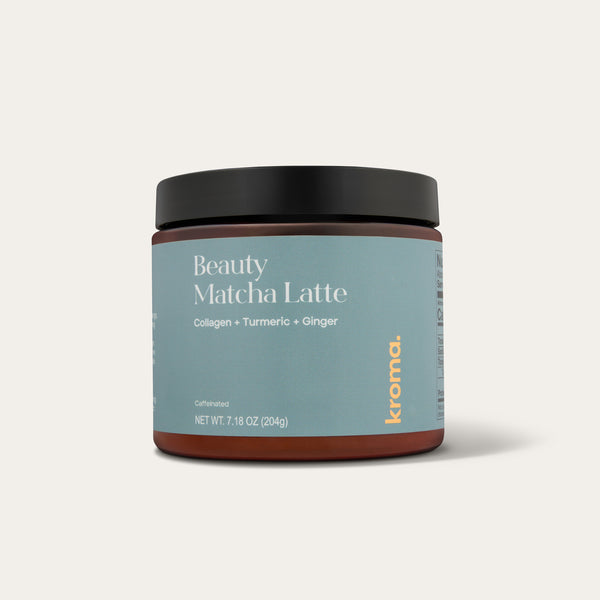
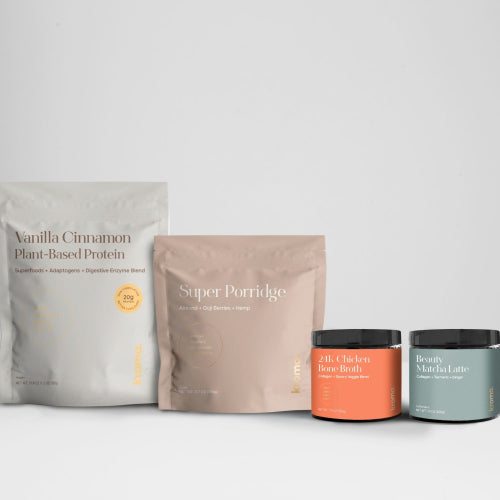
Beauty Matcha Latte isn't just another drink to me. It's the ritual that puts me in the best mood, keeps my mind focused, and gives me steady energy throughout the day. On top of that, it actually tastes incredible.
I don't go a single day without it, no matter where I am in the world.
It's Not Just Me. Everyone Who Tries It Gets Obsessed.
The best part isn't my story. It's watching other people.
Even the die-hard "I don't like matcha" or "I'm never giving up coffee" people end up converted.
- My boyfriend was a total coffee lover. Now he drinks Beauty Matcha every morning.
- My daughter even switched back to coffee for a while and quickly noticed the difference. The moment she returned to matcha, she felt much more like herself again.
Stories like these remind me why I fell in love with matcha in the first place.
So, Should You Switch From Coffee to Matcha?
I'm not anti-coffee, and I still enjoy it occasionally.
But after 13 years, I'm deeply in tune with my body, and I know exactly how coffee makes me feel compared to how matcha makes me feel.
If you do drink coffee, my advice is simple: don't have it on an empty stomach.
And if you've been thinking about trying matcha, give yourself a few days to notice the difference. Pay attention to your mood, your focus, and your energy.
I'm confident enough in what this ritual has done for me, and for so many people I've shared it with, that I'm happy to stand behind it. Try Beauty Matcha Latte, and if it doesn't improve your mornings, we'll refund your purchase.
And when you do try it, I'd love to hear about your experience. Send me a DM at @lisa_odenweller.
Lisa's Pro Tip: How to Make the Perfect Cup of Beauty Matcha
Here's exactly how I make mine every morning:
- Fill a 10–12 oz mug halfway with hot water and halfway with hot almond milk.
- Add 2 scoops of Beauty Matcha Latte.
- Whisk or froth until smooth.
That's it. You get 12g of collagen protein and, in my admittedly biased opinion, the most delicious matcha you've ever tasted.
— Lisa
Frequently Asked Questions About Switching From Coffee to Matcha
Does coffee raise cortisol levels in women?
Yes. Coffee, particularly on an empty stomach, can spike cortisol levels in women, triggering a fight-or-flight response. This can contribute to mood swings, anxiety, cravings, afternoon energy crashes, and even fat storage over time.
Why does matcha feel different from coffee?
Ceremonial-grade matcha delivers a steadier form of caffeine alongside L-theanine, which is associated with calm, focused energy rather than the sharp spike-and-crash pattern many people experience with coffee.
What is ceremonial-grade matcha?
Ceremonial-grade matcha refers to the highest quality tier of matcha, made from the youngest, most tender tea leaves, stone-ground into a fine powder. It's smoother and less bitter than culinary-grade matcha, which is why quality matters so much when you're trying matcha for the first time.
Is it bad to drink coffee on an empty stomach?
Drinking coffee on an empty stomach can amplify its effect on cortisol and stress hormones, which is why easing that habit—or pairing coffee with food—is often recommended.
What is Kroma Beauty Matcha made with?
Kroma Beauty Matcha combines ceremonial-grade matcha with superfoods, adaptogens, and collagen protein, designed as a daily ritual that supports mood, focus, and all-day energy.
Sources
Last Edited: July 23, 2026