

Collagen Benefits for Women: 6 Reasons to Take It Daily
Published at: August 19, 2025
Published at: August 19, 2025


Beauty Matcha Latte ~ 24 Servings

Beauty Matcha Latte ~ 60 Servings

Super Porridge / Multi-Serving
Quick answer: Collagen is the most abundant protein in the body, supporting skin, hair, nails, joints, bones, and muscles. The main collagen benefits for women include firmer skin, stronger nails, healthier hair, denser bones, more comfortable joints, and better muscle support — benefits that become especially relevant in perimenopause and beyond, when natural collagen production drops sharply. Most adults take 2.5–15 g of hydrolyzed collagen daily, often paired with vitamin C for absorption.
Over the past few years, collagen has been popping up in all sorts of health and beauty products, touting benefits of collagen from younger-looking skin to healthy bones and joints. But what exactly is collagen, and how can it support your overall health?
Here we have done a deep dive into all things collagen. You will learn what is bovine collagen, what is marine collagen, and why it is important. We will also go over the 5 types of collagen you can find in supplement form. Finally, we will explore the many benefits of collagen and how you can add it to your daily routine.
Collagen is a protein essential for the strength and structure of the body. It plays a key role in skin elasticity, joint function, and overall tissue health. In the human body, it represents one-third of the total protein. Its triple helix structure is made up of three amino acids — glycine, proline, and hydroxyproline. With its fiber-like structure, it is responsible for much of the connective tissue in the body.
If you've ever asked what does collagen do, the short answer is: it holds you together. With collagen being a major protein in the body, it has many functions. There are about 28 types of collagen, but five are the most essential.
Here are the 5 types of collagen that are most prevalent in the body:
Collagen touches every aspect of the body. It is found in blood, organs, bones, joints, and skin. Ensuring your body has enough collagen is essential to a healthy, strong body. Collagen provides structural support for skin, joints, and bones.
Many beauty products include collagen in their formulas to help maintain skin, hair, and nail health. As you age, the amount of collagen you have may decrease. According to one study, there is a 75% reduction in collagen production from 29 to 80 years of age. This decline accelerates sharply during perimenopause, when falling estrogen levels reduce the body's natural collagen synthesis — which is why so many women notice changes in skin elasticity, joint comfort, and hair density in their 40s. While your body may reduce its natural collagen production, taking hydrolyzed marine collagen supplements may help increase your collagen levels.

While the body can make collagen with certain foods consumed, collagen supplements may provide you with the amino acids needed to help boost that production.
Collagen supplements are often marked as hydrolyzed collagen — or collagen hydrolysate. The hydrolyzed process is a chemical process using proteolytic enzymes. These enzymes assisted in the breakdown of protein. The result of this is hydrolyzed marine collagen, consisting of small peptides.
Peptides are shorter chains of amino acids. They make it easier for the body to break down the protein and use the amino acids.
Each collagen supplement may include a different type of collagen or a combination of a few types. This information is usually listed on the packaging.
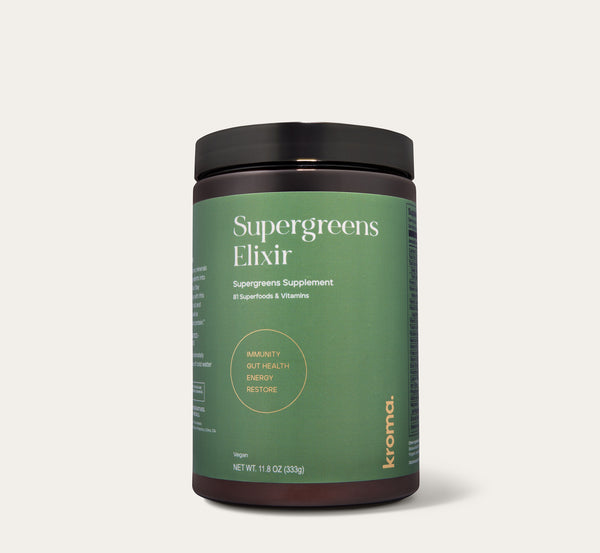
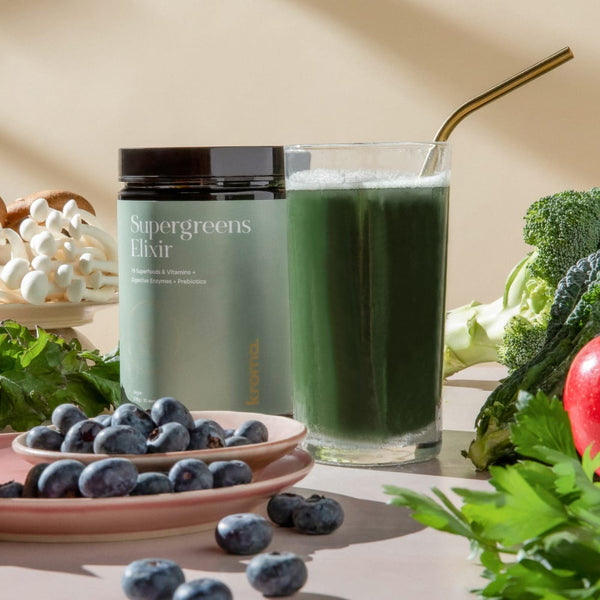
Keep in mind that vitamin C is believed to support and maintain proper collagen synthesis. Vitamin C can also help maintain the wellness of the bones, tendons, and ligaments. One way to get your daily dose of vitamin C is with our Supergreens Elixir: Daily Greens. Not only will you boost your vitamin C for the day, but it is also full of 75 other vitamins and minerals to provide support to your immune health and leave you with feelings of energy.
Most commonly, collagen supplements are found in powder or capsule form. Here are some common collagen supplement types.

What is bovine collagen? Grass-fed bovine collagen supplements are extracted from grass-fed cows' bones and other byproducts. Once the collagen has been acquired by boiling the bones and byproducts — much like making bone broth — a jelly-like substance called gelatin is formed, which contains the collagen. The gelatin is dried and made into a collagen powder.
Bovine collagen is generally high in both collagen types 1 and 3 collagen. This may provide health benefits to the skin, tendons, vascular system, uterus, and bowels.
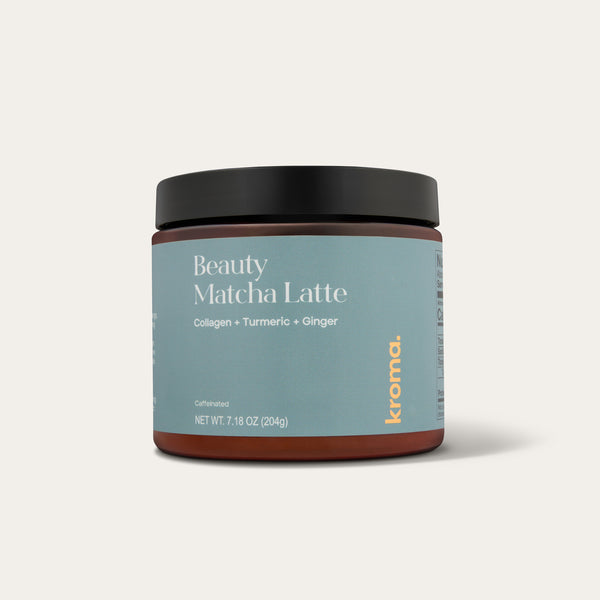
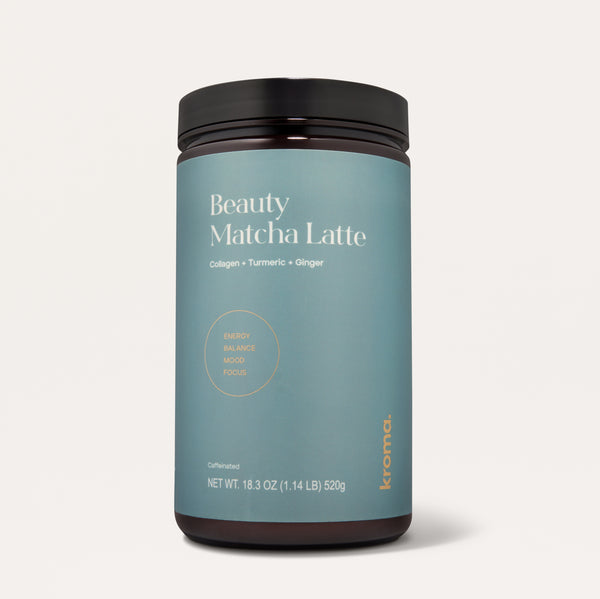
You can find the healing benefits of grass-fed bovine collagen in our Kroma 24K Bone Broth, 24K Beef Bone Broth, and Beauty Matcha Latte Powder.
You can find the healing benefits of grass-fed bovine collagen in our 24K Chicken Bone Broth, 24K Beef Bone Broth, and Beauty Matcha Latte Powder.
With a combination of collagen and powerful superfoods like ginger, turmeric, and beauty mushrooms, they're the perfect, easy-to-prepare way to give yourself an extra boost. Plus, they're delicious and simple to incorporate into any diet!

What is marine collagen? Marine collagen supplements are most commonly made from jellyfish, sharks, or fish. The collagen is pulled out of marine animals much like the process of the bovine collagen. It is dried into a tasteless white powder and can be found in powder form or in capsules.
Collagen types 1 and 2 are often found in marine collagen. This type of collagen supplement may help support skin and cartilage health.
Marine collagen is also being studied as an environmentally friendly option for collagen extraction. Marine animals and their byproducts that are discarded can be used as collagen, reducing waste.
If you've been comparing labels and wondering about marine vs bovine collagen (or where hydrolyzed collagen fits in), here's a side-by-side breakdown. Note that "hydrolyzed" describes the processing method rather than the source — most quality collagen supplements on the market today are hydrolyzed for better absorption, whether they come from cows or fish.
|
Bovine Collagen |
Marine Collagen |
Hydrolyzed Collagen |
|
|---|---|---|---|
|
Source |
Grass-fed cow bones, hides, byproducts |
Fish, jellyfish, or shark skin and scales |
Bovine OR marine — processed further |
|
Collagen Types |
Types I and III |
Types I and II |
Whichever source it comes from |
|
Best For |
Skin, gut, tendons, vascular system, joints |
Skin and cartilage; faster absorption |
Easiest absorption; all-purpose use |
|
Form |
Powder, capsule, bone broth |
Tasteless white powder, capsule |
Powder (most common) |
|
Found in Kroma |
24K Chicken Bone Broth, 24K Beef Bone Broth |
Beauty Matcha Latte |
Across the Kroma collagen line |
The short version: bovine is the most versatile and the foundation of most Kroma products through bone broth; marine is faster-absorbing and often favored for skin-focused routines; hydrolyzed simply means the collagen has been pre-broken-down into smaller peptides for easier digestion — and is what you want regardless of source.
Collagen supplements could help support your body's wellness. By breaking collagen down into peptides, collagen supplements allow the body to take those protein molecules and break them down, taking the amino acids needed for many different functions in the body. Collagen benefits for men and women include supporting skin health, bone density, and muscle development.
Collagen supplements could help provide the functional components to trigger body collagen turnover. These components may not be as readily available in the average Western diet.
Here are some of the potential benefits of taking a collagen supplement:
One of the most studied benefits of collagen — and the reason many women start taking it — is what it does for skin. Your skin health may be one of the first to show signs of aging. You may notice fine lines, wrinkles, and a loss of volume. While this may be a normal aging process, you may be able to support your skin health by consuming collagen for skin.
Collagen-rich connective tissue makes up most of your skin. As we have learned earlier, our collagen production slows as we age. Reduced collagen can cause premature aging of skin and slow wound healing. Multiple studies have shown potential skincare benefits when taking an oral collagen supplement.
When looking for face creams, you may notice many products tout collagen as an ingredient, but does a topical application offer the same potential benefits as an oral collagen supplement? Studies have shown that this type of cream could help reduce the appearance of fine lines and wrinkles on the face.
While fingernails are mostly made of keratin, another protein in the body, collagen supplements may also improve the health of fingernails. Collagen may support the health of the nail bed, and provide needed amino acids to the nail.
One study showed that brittle, cracked, or broken nails may be reduced when taking a collagen supplement. It may also increase nail growth by 12%.
Your scalp is the skin on your head that does not include your face. Basically, it is the area of your head that is covered by hair. The health of your scalp plays a key role in the health of your hair.
The dermis is a connective tissue layer between the outside and inside layers of skin. It is in this area that hair follicles live. The dermis is mainly composed of collagen. By supporting this area with collagen supplements, you could help maintain scalp and hair health.
Calcium is often thought to be the first nutrient you go to for bone health. While it is a main component of bone health, more research is coming out about the importance of collagen.
In one study, a group of participants taking collagen supplements saw improved bone mineral density as compared to the control group.
Your joints contain a rubbery substance called cartilage. Cartilage is roughly 60% collagen, which is why collagen for joints is one of the most cited reasons people start supplementing — especially as natural production slows with age. Cartilage is made up of 60% collagen, with 90% of that being type 2 collagen. Over time, as collagen production slows, your cartilage can become compromised. This may result in joint pain.
By taking a collagen supplement, you could help maintain your joint health.

Muscles in your body greatly affect your overall health and survival. Muscles allow you to move, lift things, breathe, and pump blood. It is important to keep your muscles strong and limber. Weak or unhealthy muscles can lead to pain, muscle strain, weakness, or injury. Stretching and exercise provide lasting benefits to muscle health.
Collagen may also be a key to muscle support and development. One study showed that there was a greater increase in muscle mass development and strength when collagen was consumed in conjunction with exercise. Taking collagen supplements can help support muscles.
While collagen benefits apply to both men and women, several stand out as particularly relevant to women's health — especially through perimenopause, menopause, and beyond, when natural collagen production drops most sharply. Here's how the collagen benefits for women break down across each stage of life:
As estrogen levels begin fluctuating in perimenopause (typically late 30s to mid-40s), skin loses elasticity faster than at any other time in adult life. Daily collagen — especially type I from bovine or marine sources — gives the body the amino acid building blocks it needs to slow that visible thinning.
Hair thinning is one of the most common — and least talked-about — symptoms of perimenopause. Because the dermis (where hair follicles live) is mostly collagen, supplementing can support the scalp environment that hair density depends on.
Estrogen helps maintain joint cartilage. As estrogen declines, many women report new aches and stiffness — particularly in knees, hips, and hands. Collagen for joints offers the type II support cartilage relies on, making it especially worth considering through midlife.
Women lose bone density roughly twice as fast as men after menopause. While calcium and vitamin D get the most attention, collagen makes up about 30% of bone tissue — and clinical research in postmenopausal women has shown improvements in bone mineral density with daily collagen peptide supplementation.
Brittle, splitting, or slow-growing nails often track with the same hormonal shifts that affect skin and hair. Daily collagen has been shown to reduce nail breakage and improve growth rate — a small but visible signal that the rest of your collagen-dependent tissues are getting what they need.
Sarcopenia (age-related muscle loss) starts earlier in women than most realize — and accelerates after menopause. Pairing daily collagen with resistance training is one of the most effective ways to preserve muscle mass through midlife. For a deeper look at protein needs through this stage, see our companion piece on protein for women over 40.
Your collagen needs may vary due to your specific needs. Generally, it is recommended for adults to consume 2.5 to 15 grams of collagen a day. As with any supplement, you may want to start at a smaller dose and gradually move up. While collagen is a naturally occurring protein in the body and is largely considered safe, taking too much collagen may leave you with a headache, fatigue, or digestive issues.
Beyond dosage, a few practical guidelines help you actually feel the difference:
Start with 5–10 g daily if you're new to collagen. Most clinical studies showing benefits use this range, scaling up to 15 g for joint or bone-specific support.
Pair with vitamin C — it's required for collagen synthesis. Taking collagen with citrus, berries, or a vitamin C-rich green elixir significantly improves uptake.
Timing is flexible — collagen works whether taken morning or evening. Many people prefer it in their morning coffee, matcha, or smoothie for habit-stacking. For workout recovery, take it 30–60 minutes before exercise.
Be patient — visible results (skin, hair, nails) typically take 6–12 weeks of consistent daily use. Joint and bone benefits often take 3–6 months.
Consistency beats dose — 5 g every day is more effective than 15 g sporadically.
Collagen supplements are considered tasteless, so they can be added to almost any food. Smoothies, oats, or even your morning tea or juice are simple beverages and foods to add your daily dose of collagen into.
Another way to consume collagen is through whole foods. One of the most popular ways to add natural collagen is by consuming bone broth. Eating chicken, seafood, eggs, and certain fruits and veggies can also provide your body with the tools it needs to feel a sense of wellness.

Collagen is the most prevalent protein in the body. While there are many different types of collagen, 5 types of collagen are most common in the human body. While your body produces its own collagen, that production slows as you age. Collagen supplements can help you boost collagen production.
Most supplements include types 1, 2, and 3, supporting bones, joints, skin, vascular systems, and organs. Grass-fed bovine supplements — from cows — and marine supplements — from sharks, jellyfish, and fish — are two common types of collagen.
Your skin, nails, hair, bones, joints, and muscles may experience potential health benefits from a collagen supplement. These supplements often come in capsule form or powders. Powders are tasteless and can be added to many food products. For women — especially through perimenopause and beyond — daily collagen is one of the simplest, most evidence-supported additions to a wellness routine.
At Kroma Wellness, we provide high-quality collagen-rich products like Kroma 24K Bone Broth to help you feel your best every day. Our products are full of whole foods that support your overall health.
The main collagen benefits for women are firmer skin with reduced fine lines, stronger nails, healthier hair density, denser bones, more comfortable joints, and better muscle maintenance. These benefits are especially meaningful through perimenopause and menopause, when natural collagen production drops most sharply.
Collagen is the most abundant protein in the body — about one-third of your total protein. It provides structural support to skin, hair, nails, joints, bones, muscles, and connective tissues. As you age, your body produces less of it, which is why daily collagen supplementation becomes increasingly relevant after age 30.
Both work. Bovine collagen (from cow bones and hides) is high in types I and III and supports skin, gut, tendons, and joints. Marine collagen (from fish) is mostly type I, absorbs slightly faster, and is often favored for skin-focused routines. Choose based on dietary preference, budget, and what you're prioritizing — for most women, bovine is the more versatile starting point.
Most adults take 2.5–15 g of hydrolyzed collagen daily. Start with 5–10 g and adjust based on your goals: 5 g for general skin and nail support, 10–15 g for joint or bone-focused use. Pair with vitamin C for better absorption, and be consistent — 5 g every day works better than 15 g sporadically.
Visible benefits to skin, hair, and nails typically appear within 6–12 weeks of consistent daily use. Joint and bone benefits often take 3–6 months. Collagen is a long-term investment in connective tissue health — short-term results are subtle, but the cumulative effect is meaningful.
Yes — perimenopause is one of the periods when collagen is most worth adding. Falling estrogen levels reduce natural collagen synthesis, which is why many women notice changes in skin elasticity, hair density, joint comfort, and bone density during this stage. Daily collagen offers a simple, well-tolerated way to support all four.
COLLAGEN STRUCTURE AND STABILITY | PMC
Decreased Collagen Production in Chronologically Aged Skin | PMC
Hydrolyzed Collagen—Sources and Applications - PMC
Oral Collagen Supplementation: A Systematic Review of Dermatological Applications | PubMed
Immediate and Long-term Clinical Benefits of a Topical Treatment for Facial Lines and Wrinkles | PMC
Histology, Dermis - StatPearls | NCBI Bookshelf
Last Edited: June 22, 2026
Beauty Matcha Latte ~ 24 Servings
Beauty Matcha Latte ~ 60 Servings
Super Porridge / Multi-Serving