When shopping for magnesium supplements, you'll quickly encounter two popular forms: magnesium glycinate and magnesium citrate. Both deliver meaningful benefits, but they work differently in your body. Understanding magnesium glycinate vs. citrate helps you choose the best magnesium supplement for your specific needs, whether that's better sleep, stress relief, or digestive support.
What Makes Magnesium Glycinate vs. Citrate Different
The main difference between magnesium glycinate vs. citrate lies in what the magnesium is bound to and how your body responds to each form.
Magnesium glycinate combines magnesium with the amino acid glycine. This pairing creates a highly absorbable supplement that's gentle on digestion. Glycine itself has calming properties, which is why magnesium glycinate is frequently recommended as magnesium for sleep and stress support. It activates the parasympathetic nervous system (your body's "rest and digest" mode) making it easier to wind down at night.
Magnesium citrate pairs magnesium with citric acid. While also well-absorbed, this form has a mild laxative effect because it draws water into your intestines. This makes magnesium citrate particularly useful for digestive support and relieving occasional constipation, but it's not always the best choice when your primary goal is sleep.
Magnesium Glycinate Benefits for Sleep and Stress
If you're wondering about the best magnesium supplement for sleep, magnesium glycinate consistently ranks at the top. The magnesium glycinate benefits extend beyond just providing the mineral itself—the glycine component plays a crucial role in calming the nervous system.
Research shows that magnesium for sleep works through multiple pathways. It helps regulate GABA, a neurotransmitter that promotes relaxation, and supports your body's natural production of melatonin. Magnesium glycinate delivers these benefits without the digestive side effects that some other forms can cause.
For stress support, magnesium glycinate helps reduce cortisol levels and eases muscle tension that often accompanies chronic stress. Many people notice they feel calmer within a few weeks of consistent use, with improvements in sleep quality becoming more apparent over time.
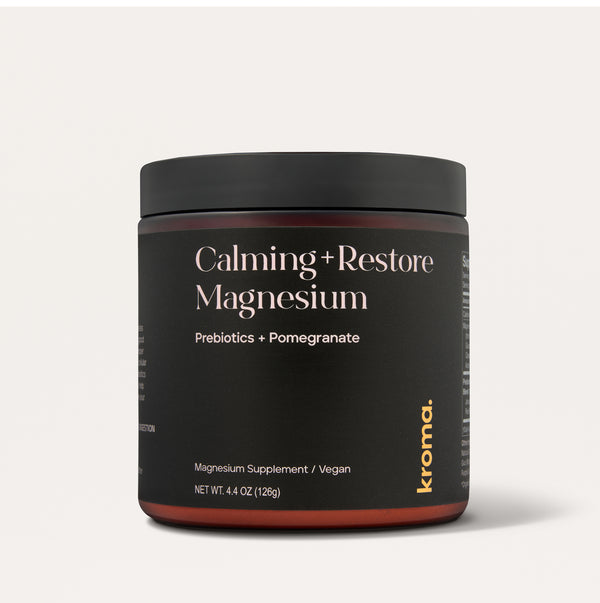
Kroma's Calming + Restore Magnesium combines multiple forms of magnesium, including magnesium citrate and magnesium gluconate, along with L-theanine for comprehensive sleep and stress support. This strategic blend addresses multiple aspects of relaxation and recovery in one formula.
When Magnesium Citrate Works Better
While magnesium glycinate typically wins for sleep and relaxation, magnesium citrate has its own advantages. The osmotic effect that makes it useful for digestion means it can help with:
Occasional constipation relief. Magnesium citrate gently promotes regularity by drawing water into the intestines. This makes it effective for people who need digestive support alongside their magnesium supplementation.
Post-workout recovery. The form is easily absorbed and helps replenish magnesium lost through sweat, supporting muscle function and reducing cramping.
Daytime use. Because of its potential laxative effect, magnesium citrate is often better taken earlier in the day rather than before bed. This timing prevents nighttime bathroom trips that could disrupt sleep.
Some people find that a strategic approach works best: using magnesium citrate in the morning or afternoon for energy and digestive support, then switching to magnesium glycinate in the evening for calm magnesium effects and better sleep.
Absorption and Tolerability: What the Research Shows
When comparing magnesium glycinate vs. citrate for absorption, both forms are considered highly bioavailable: meaning your body can actually use the magnesium they provide. This sets them apart from cheaper forms like magnesium oxide, which has poor absorption and often causes digestive upset.
Magnesium glycinate is chelated, meaning the magnesium is bound to the amino acid in a way that protects it as it moves through your digestive system. This results in minimal gastrointestinal side effects, even at higher doses. Studies show it's particularly well-tolerated for long-term daily use.
Magnesium citrate also absorbs efficiently, especially when taken with food. However, its laxative properties mean it's not as gentle for everyone. Starting with a lower dose and gradually increasing helps you find your tolerance level.
The elemental magnesium content differs between forms. Magnesium citrate provides about 16% elemental magnesium by weight, while magnesium glycinate contains approximately 10-14%. This means you may need slightly different doses to achieve the same amount of actual magnesium, so always check supplement labels for elemental magnesium content.
How to Choose the Best Magnesium Supplement for Your Goals
Deciding between magnesium glycinate vs. citrate comes down to your primary health concerns and how your body responds.
Choose magnesium glycinate if you want:
- Better sleep quality and easier time falling asleep
- Support for stress and anxiety management
- Muscle relaxation without digestive effects
- A calm magnesium option for evening use
-
Long-term daily supplementation
Choose magnesium citrate if you need:
- Digestive support and relief from occasional constipation
- Magnesium supplementation earlier in the day
- Post-exercise muscle recovery and rehydration
-
A more affordable option (citrate tends to cost less)
Consider both forms if:
- You want comprehensive support for sleep, stress, and digestion
- Strategic timing appeals to you (citrate morning, glycinate evening)
-
You're looking for a formula that addresses multiple wellness goals
Many high-quality supplements combine multiple magnesium forms to provide broader benefits. This approach can be more effective than relying on a single form alone.
Dosing and Timing for Best Results
For magnesium for sleep, most experts recommend taking your supplement about 1-2 hours before bed. This gives your body time to absorb the magnesium and allows the calming effects to take hold.
The typical supplemental range is 200-400mg of elemental magnesium daily, though specific needs vary based on your diet, stress levels, and health status. It's best to start on the lower end and adjust based on how you feel.
If you're using magnesium citrate and experience loose stools, try:
- Reducing your dose
- Taking it with food
- Splitting your dose throughout the day
-
Switching to magnesium glycinate instead
Ready to improve your sleep and manage stress more effectively? Shop Kroma evening ritual products and build a simple evening ritual that supports deep rest and recovery.
FAQ: Magnesium glycinate vs. citrate
Which is better for sleep: magnesium glycinate or citrate?
Magnesium glycinate is generally better for sleep because it's specifically formulated to support relaxation without digestive side effects. The glycine component helps calm the nervous system, while magnesium citrate's laxative effect may disrupt sleep with nighttime bathroom trips.
Can I take both magnesium glycinate and citrate?
Yes, many people use both strategically: magnesium citrate in the morning for digestive and energy support and magnesium glycinate in the evening for sleep and relaxation. Some supplements combine multiple forms to provide comprehensive benefits.
What's the best magnesium supplement for anxiety?
Magnesium glycinate is the top choice for anxiety because it supports GABA function and helps regulate stress hormones. The calming magnesium effect comes from both the magnesium itself and the calming properties of glycine.
Does magnesium citrate help with constipation?
Last Edited: February 23, 2026