

What Is Nourishment? How to Nourish Your Body, Mind, and Soul
Published at: August 18, 2025
Published at: August 18, 2025

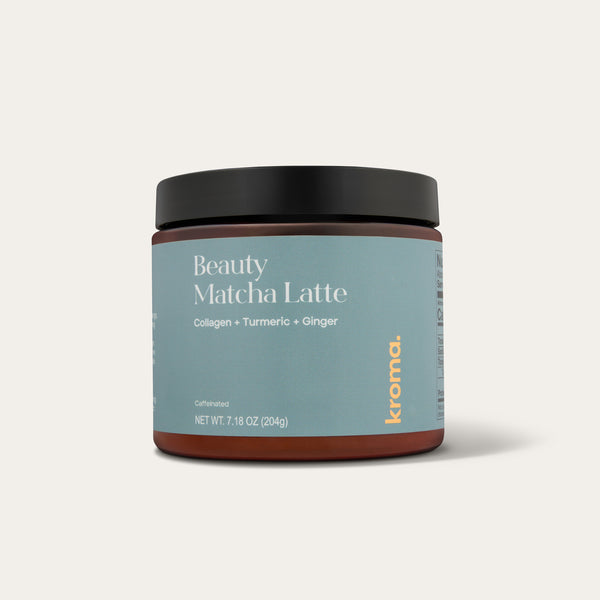

Beauty Matcha Latte ~ 24 Servings
Quick answer: Nourishment is the state of being fully supported across body, mind, and soul — not just fed, but fulfilled. The nourishment definition goes beyond food to include the rest, relationships, learning, and joy that allow you to thrive. Unlike nutrition, which measures what's in your food, nourishment asks a deeper question: "Is this nourishing me or depleting me?" There are four kinds of nourishment — physical, emotional, mental, and spiritual — and true wellness means tending to all four.
With so many diet plans, have you been overwhelmed with figuring out the best way to nourish your body?
Let's explore the nourishment definition to understand what it entails and how you can effectively nourish both your body and mind.
Nourishment is more than just the food you eat; it’s a holistic concept encompassing everything you need to support your health, growth, and development.
At its core, nourishment provides your body, mind, and soul with what they need to thrive. The definition of nourishment includes everything from the nutrients in your meals to the rest and relaxation that rejuvenate your spirit.
Whether it's the vitamins and minerals in your meals, the rest you give your body, or the love and learning that enrich your soul, nourishment is the feeling of being truly fulfilled and balanced.
When implementing a healthy lifestyle, ask yourself: What does it mean to nourish your body, mind, and soul? What does your body, mind, and soul need to feel truly nourished?
Nourishment and nutrition are often used interchangeably, but they're not the same thing. Nutrition describes the nutrients in your food — the proteins, fats, carbohydrates, vitamins, and minerals your body breaks down for fuel. Nourishment is broader, and more honest: it asks not just what you're eating, but whether what you're consuming — in food, rest, relationships, and information — is feeding you or quietly draining you.
Put simply, nutrition is a measurement. Nourishment is a feeling. You can be perfectly nutritionally balanced on paper and still feel depleted; conversely, a home-cooked meal shared with people you love may be more nourishing than a clinically optimized macro plate eaten alone.
Here's how the two compare side by side:
|
Nutrition |
Nourishment |
|
|---|---|---|
|
What it is |
The nutrients in food — protein, fats, carbs, vitamins, minerals |
A holistic state of being fed and supported across body, mind, and soul |
|
Scope |
Physical and biochemical |
Physical, emotional, mental, and spiritual |
|
Measured by |
Macros, calories, micronutrients |
How you feel — energy, balance, fulfillment, calm |
|
Question it asks |
"What's in this food?" |
"Is this nourishing me or depleting me?" |
|
Relationship to food |
Often rules-based or restrictive |
Intuitive, joyful, and sustainable |
This is the lens behind Kroma's philosophy — nourishment over restriction, every time.
Getting nourishment means providing yourself with the essentials that contribute to your well-being. If you've ever asked what does nourish mean in everyday life, the answer is this: it means showing up for yourself in small, repeatable ways that add up over time.
It’s about more than just eating a balanced diet; it’s about nourishing your entire being. This could be through healthy meals, regular exercise, meaningful relationships, and activities that bring joy and peace.
Nourishment is deeply personal and can look different for everyone, but the goal is always the same: to support your overall health and happiness.
The purpose of nourishment is to sustain and support your physical, mental, and emotional health.
You ensure your body can function adequately, maintain energy levels, and fight illnesses by giving it the necessary nutrients.
Nourishment also plays a vital role in mental health by supporting cognitive function and emotional well-being. It helps you grow, develop, and reach your full potential in all aspects of life.
The four kinds of nourishment — physical, emotional, mental, and spiritual — together form the foundation of holistic wellness. Nourishment can be broken down into four main types: physical, emotional, mental, and spiritual.
Food is often the first thing that comes to mind when we consider how to nourish your body. Of course, a well-balanced meal is crucial, but nourishment goes beyond the food we eat.
We can get so bogged down with the latest health trend or diet, what to eat or what not to eat, that it can be overwhelming. It can take the joy out of eating, and joy is nourishing.
Finding the balance between a healthy meal, moving your body, and getting rest will help you find the balance that nourishes you — nourishment is about doing things for overall wellness. If you've ever wondered why restriction feels good for a week and terrible by week three, our companion piece Why Nourishment Beats Restriction digs into the science behind it. Let's explore how to achieve this balance and truly understand what nourishing means.

Maintaining good health starts with eating right. Eating a balanced meal of fruits, veggies, whole grains, and lean protein can be a great place to start. There are a lot of health trends out there, but these four things are at the foundation. Instead of eating the “perfect” food, focus on eating mindfully. This means being present and not having judgment when you eat. When you are more relaxed while eating, your body can better process the nutrients you give.
If you are feeling overwhelmed with what you should and should not eat, the 80/20 rule is very helpful. This “rule” gives you the freedom to eat healthy 80% of the time, while the other 20% you can give yourself more grace. If you happen to eat a donut one morning, that's okay! You did not ruin all your progress with one less-than-healthy snack.
Diets can be restrictive and defeating, leaving you with a toxic relationship with food. You may be eating foods to feed your body, but you are not getting the true nourishment you deserve.
You can break free of the diet culture by practicing intuitive eating. Intuitive eating gives control back to you. You listen to your body’s hunger cues and eat what you want, depending on what sounds good.

Our cells are at least 70% water, and every part of us is made up of water, making hydration a critical part of nourishment. We need water to live. It gives us energy, supports our joints, allows us to breathe, maintains our internal balance, and helps eliminate waste from our bodies.
With water being so important to sustain life, you would think there would be an agreed-upon amount to drink, but no one standard is perfect for everyone.
When nourishing your body with water, pay attention to your body. When you feel thirsty, watch for symptoms of not drinking enough water, such as headaches. Knowing your body can help gauge how much water you should drink daily.

Nourishing your body is more than just what you put in it. Sleep is important for your physical and mental health. It helps you recharge your body and mind.
Setting nightly routines, like turning off your phone 30 minutes before bed and sipping on a calming elixir, makes it easier for your body to transition through sleep phases, helping to regenerate and nourish the body.

You may not always want to put on those workout clothes, but once you do and you finish your run, row, or walk, your body will feel the nourishment exercise has given it. The exercise you choose doesn't matter. What matters is that it brings you joy and health and allows your mind to take a break from the bustle of the day.
Exercise may take a little while to incorporate into your nourishing lifestyle. You can build a positive exercise habit by making small goals each week. Find a workout routine that works for you. You may prefer taking a class for added accountability, or going for a walk is faster for you. Finding an enjoyable activity that moves your body will bring you more long-term success.
Often, we focus so much on the physical parts of ourselves that we don't take the time to nourish our souls. Nourishment is visceral. It is a feeling we get by loving ourselves and others, learning something new, or living joyfully.
What is that little voice inside your head telling you every day? Is it giving you nourishing words of encouragement and love, or is it constantly breaking you down? This is your self-worth.
How you feel about yourself can directly impact how you exist in the world. Nurturing your soul with kind, loving words will help you feel more at peace with yourself.
If you are struggling with your self-worth, using positive affirmations is a helpful way to change the narrative in your head. Talking to a mental health expert also provides nourishment and can help you learn ways to improve your self-worth.
The story you have been telling yourself has been there for most of your life, so having someone to help you change that story is very helpful.
How many times have you said “yes” to something when you were screaming “no!” inside your head. We have all been there.
It is a lot of work to try to balance work, kids, a social life, and normal adult responsibilities, like bills and taking care of the house.
The power to remove stressors in your life lies in the word “no.”
Instead of jamming your schedule full and running here and there, you can find nourishment in the moments of rest. You can also be more present in your moments instead of worrying about the next thing you must run to.

As adults, it's easy to stop learning. We are busy with many responsibilities, so learning something new sometimes seems like it could be more critical. This could not be farther from the truth.
Not only does learning keep the brain healthy, but it is great for self-care.
Have you been interested in learning a new language? Maybe you have wanted to start a home garden but don't know where to start. Setting time aside to learn will nourish you by empowering you to grow and create.

Nobody knows how to have a good time more than children. Where did that go for adults? Bringing back child-like wonder and joy to your life can nourish your soul.
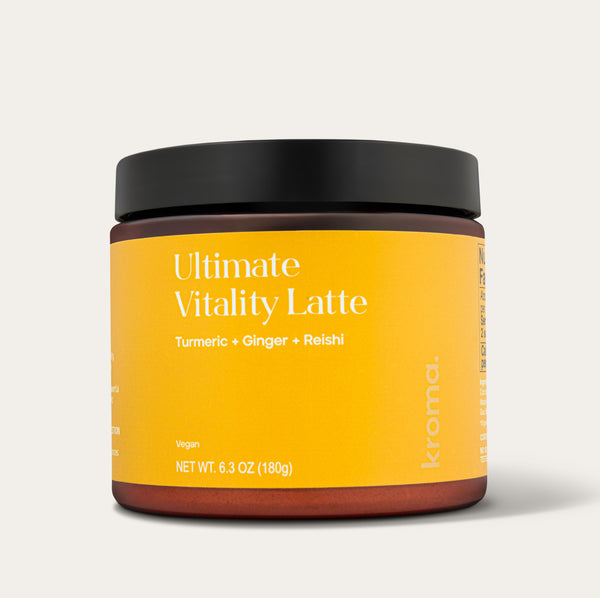
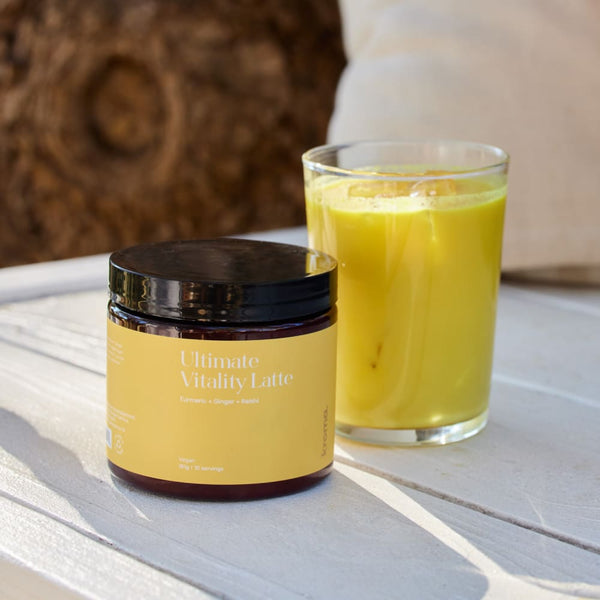
You don't just have to enjoy lavish vacations or big events; there is joy in the little moments. You could put on music and dance in the morning while making your superfood latte, or you could sing your favorite songs on the way to work.
Whatever brings you joy, add more of it to your day.
It is scientifically proven that helping others is good for your overall health. Simple things, like holding a door open for someone or smiling, can make a big difference in a stranger’s life. You can also donate your time or used items, help a friend move, or make meals for a family in need.
Doing acts of kindness not only nourishes your soul but also nourishes others through your selfless acts.
So, what is nourishment? When you learn, grow, and develop, you get nourishment. Food can be great nourishment, but it goes deeper than that. Nourishing your body, mind, and soul is important for overall health and well-being.
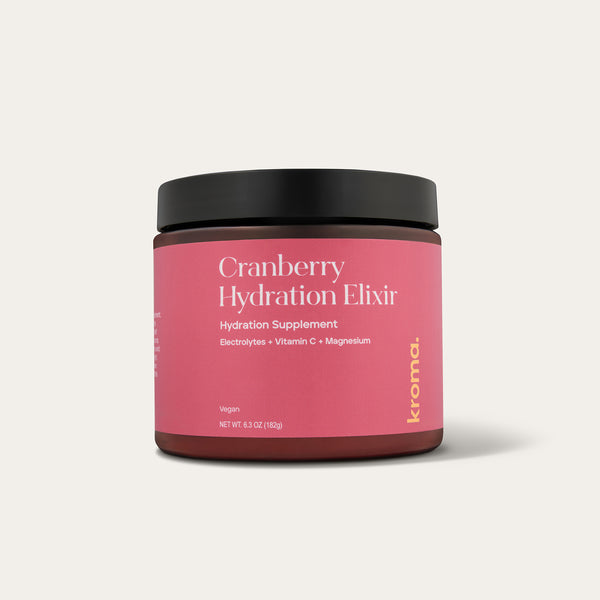
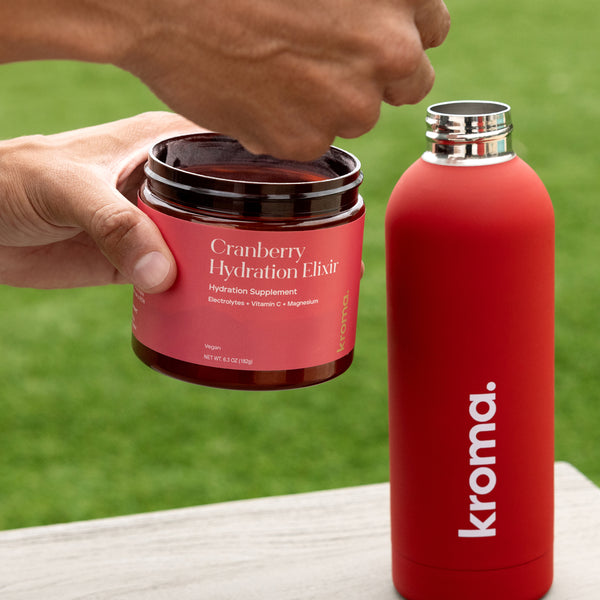
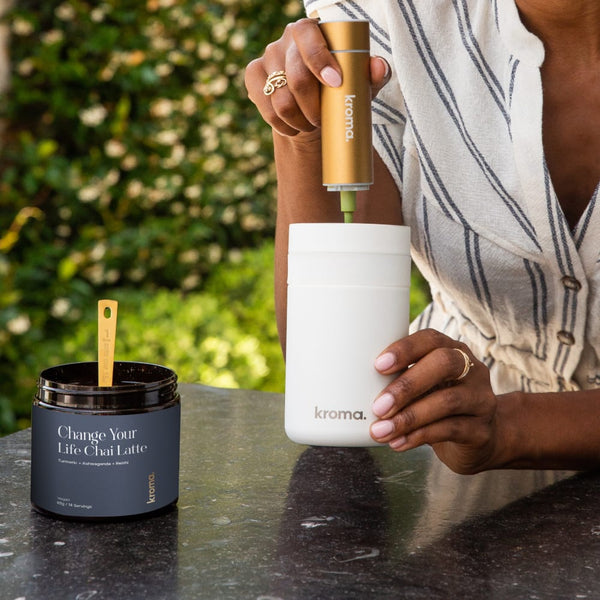
At Kroma, we offer delicious, easy-to-prepare superfoods to nourish your body while you work on your mind and soul. You can incorporate our broths, smoothies, and lattes in an intuitive way, breaking free of the diet culture and connecting with your wellness to find what nourishes you. Ready to put nourishment into practice? Explore our 5-Day Reset — built around nourishment, not restriction — or browse our Daily Rituals collection for everyday nourishment in a single sip.
Nourishment is the state of being fully supported and fed — not just by food, but by everything that sustains your body, mind, and soul. It includes the nutrients in your meals, the rest you give your body, the relationships that fill you up, and the experiences that bring you joy and meaning.
Nutrition measures the nutrients in food — proteins, fats, carbs, vitamins, and minerals. Nourishment is broader: it's the holistic state of being well-fed across body, mind, and soul. You can be nutritionally balanced and still feel depleted; true nourishment asks not just what you're eating, but whether what you're consuming is feeding you or draining you.
To nourish means to provide what's needed for someone or something to grow, develop, and thrive. In a wellness context, nourishing yourself goes beyond food to include rest, movement, relationships, learning, and self-care. The opposite of nourishment is depletion — and most people experience both throughout the day.
The four kinds of nourishment are physical (food, water, sleep, movement), emotional (relationships, self-worth, emotional safety), mental (learning, creativity, intellectual stimulation), and spiritual (meaning, purpose, time in nature, mindfulness). True wellness means tending to all four, not just one.
A simple test: ask yourself "Is this nourishing me or depleting me?" before you eat, schedule something, scroll, or say yes. Over time, the answers reveal which foods, people, habits, and routines actually feed you — and which ones quietly drain you. Nourishment shows up as steady energy, balanced mood, clear thinking, and a feeling of being supported rather than stretched thin.
Start with one small, repeatable habit in each of the four nourishment categories. Physical: drink more water and protect your sleep. Emotional: protect one boundary you've been avoiding. Mental: spend 10 minutes learning something that interests you. Spiritual: spend 10 minutes outside without your phone. Small, consistent acts of nourishment compound far more than dramatic short-term changes.
Last Edited: June 22, 2026
Beauty Matcha Latte ~ 24 Servings