

Signs of Estrogen Dominance in Perimenopause (And What to Do About It)
Published at: August 19, 2026
Published at: August 19, 2026

Quick answer: "Estrogen dominance" is a wellness term, not a formal medical diagnosis — but the pattern it describes is real: in perimenopause, progesterone typically declines years before estrogen does, leaving estrogen elevated relative to progesterone. This imbalance shows up as heavier or erratic periods, mood swings, weight gain around the middle, breast tenderness, sleep disruption, and bloating. The fix isn't to suppress estrogen — it's to support the liver, gut, and blood sugar systems that help your body clear and metabolize hormones efficiently.
Something changes around 40. Cycles get heavier and moodier. Belly weight shows up out of nowhere. Sleep gets lighter. When you ask what's happening, the internet keeps returning the same phrase: estrogen dominance.
A quick note before going further: "estrogen dominance" is a wellness term, not a formal medical diagnosis. What it actually describes is a real pattern in perimenopause hormones — high estrogen relative to progesterone. The symptoms are real; the label is just imprecise. Here's what's actually happening, and what helps.
In your 20s and 30s, estrogen and progesterone rise and fall in a predictable monthly rhythm. In perimenopause, that rhythm falls apart in a specific order.
Progesterone declines first, often years before menopause proper. Estrogen, meanwhile, doesn't decline smoothly — it swings wildly, sometimes surging higher than at any other point in adult life. The result: high estrogen relative to low progesterone. This is the biological reality behind estrogen dominance in perimenopause.
Most estrogen dominance symptoms don't feel dramatic — they feel like the new normal. That's exactly what makes them so easy to miss.
Cycles that suddenly become heavier, longer, or unpredictable are one of the most reliable signs. Without progesterone to balance estrogen's growth signal, the uterine lining builds up thicker and sheds heavier.
Research shows perimenopausal women have a 2-4x higher risk of new-onset depression and anxiety — driven not by high estrogen alone, but by the swings in estrogen affecting serotonin regulation.
The connection between estrogen and belly fat is well documented. As estrogen and cortisol fluctuate, fat distribution shifts toward the abdomen — and adipose tissue itself produces estrogen, which perpetuates the imbalance further.
Sensitive, swollen breasts — especially in the second half of your cycle — are a classic sign of unopposed estrogen. Progesterone also has a natural calming effect on sleep, so when it drops, sleep quality drops with it. Fluctuating estrogen additionally affects fluid balance, contributing to chronic bloating.
The goal isn't to "crush" estrogen — it's protective for your brain, heart, and bones. The real goal is supporting your body's ability to metabolize and clear estrogen efficiently. Here are the levers that actually work.
Broccoli, cauliflower, kale, and Brussels sprouts contain DIM (diindolylmethane), which supports the liver's estrogen-clearance pathways. Cruciferous vegetable intake is one of the best-documented dietary interventions for hormonal health.
Your liver processes estrogen; your gut eliminates it. If either system is congested, estrogen gets reabsorbed instead of excreted. Prioritize fiber, water, and go easy on alcohol.
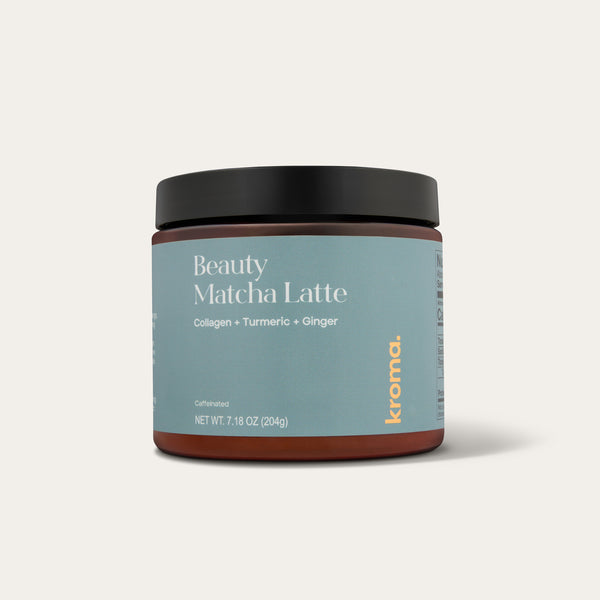
Kroma's Supergreens Elixir and Kroma's Super Core are built specifically to support liver detoxification and gut integrity — the two systems that ultimately determine whether estrogen leaves your body or recirculates.
Endocrine-disrupting chemicals that mimic estrogen — xenoestrogens — are found in plastics (BPA, phthalates), pesticides, and many beauty products. Swap plastic food containers for glass, choose organic for the "dirty dozen," and read your beauty labels.
Some women turn to a DIM supplement for more concentrated support, since DIM — the active compound in cruciferous vegetables — helps the liver metabolize estrogen into its gentler forms. Food-based intake is the lower-risk starting point; talk to your provider before adding a supplement.
Blood sugar spikes drive insulin, and insulin drives estrogen production in fat tissue. A protein-forward eating pattern is one of the most effective long-term levers available — the same principle behind why protein intake matters so much for women over 40 more broadly.
Daily movement, including 2-3 resistance sessions per week, helps clear estrogen through improved circulation and body composition. Sleep is where hormonal recalibration actually happens, which is why managing the cortisol side of this picture matters just as much as diet.

The signs of estrogen dominance in perimenopause aren't imagined. They're a real biological response to progesterone declining faster than estrogen — common in women between ages 38 and 52.
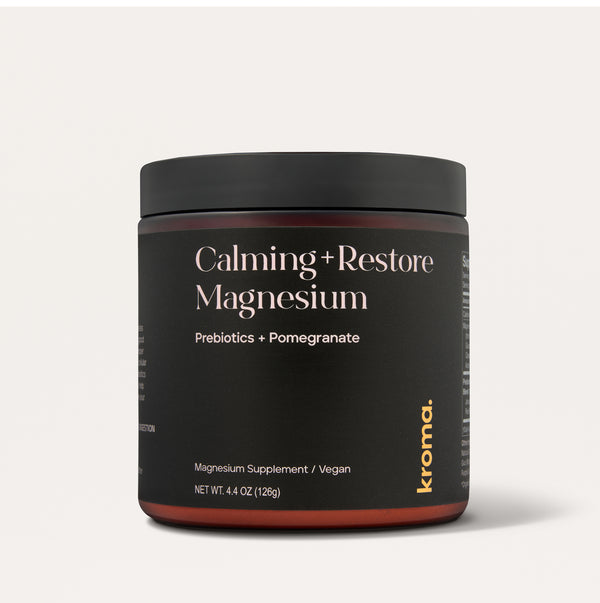
The response isn't to demonize estrogen. It's to give your body what it needs to metabolize hormones cleanly: cruciferous vegetables, protein, sleep, movement, and less exposure to endocrine disruptors. Small, repeatable inputs are where the actual shift happens — and that's exactly what Kroma's Hormone Collection and Kroma's 24K Bone Broths are designed to support, nourishing the systems that keep your hormones in rhythm.
References:
The intersection between menopause and depression: overview of research using animal models — PMC 2024
Estrogen Dominance and Endometriosis — ESSI International, clinical review
Oestrogen Dominance: Why Your Doctor Doesn't Use This Term — The Menopause Consortium
Perimenopause-Related Mood and Behavioral Disorders — NIMH clinical trial NCT00001231
Premenstrual symptoms – NCBI
Last Edited: August 19, 2026