You started a GLP-1 medication, and the results came quickly. The appetite that used to run your life went quiet. The scale started moving. For the first time in years, food felt manageable.
But somewhere along the way, something shifted. The weight is coming off, but you feel weaker. More tired. Less like yourself. Your muscle tone is disappearing along with the pounds, and no one warned you this was coming.
Sound familiar?
If it does, you're experiencing one of the most common and least discussed side effects of GLP-1 medications, and it has everything to do with protein. The good news: it's entirely addressable. But you have to understand what's happening first.
Here's what you need to know.
What GLP-1 Medications Actually Do
GLP-1 receptor agonists, including semaglutide (Ozempic, Wegovy) and tirzepatide (Mounjaro, Zepbound), work by mimicking a naturally occurring gut hormone that signals fullness to the brain, slows gastric emptying, and reduces appetite. The result is that most people eat significantly less, often without feeling deprived.
That reduced appetite is the mechanism behind the weight loss. But here's the problem: when you eat less overall, you almost always eat less protein. And inadequate protein on a GLP-1 doesn't just slow your results, it actively works against them, triggering GLP-1 muscle loss that can undermine body composition, metabolism, and long-term health even as the scale goes down.
What you lose matters as much as how much you lose. And without deliberate, strategic attention to GLP-1 and protein intake, too much of what you lose will be muscle.
The Big Players: Why GLP-1 and Protein Are Inseparable

Understanding the relationship between GLP-1 and protein requires understanding what protein does in the context of weight loss and why its role becomes more critical, not less, when appetite is suppressed.
Muscle Preservation
The body under caloric restriction will break down muscle for fuel if dietary protein isn't sufficient to protect it. This process — called catabolism — accelerates when food intake drops sharply, as it often does on GLP-1 medications. Adequate protein intake signals the body to preserve lean mass and preferentially burn fat instead. Without it, GLP-1 muscle loss is not a risk — it's a near certainty.
Metabolic Protection
Muscle tissue is the primary driver of resting metabolic rate. Every pound of muscle lost during GLP-1-assisted weight loss makes it harder to maintain results, easier to regain weight after stopping, and more likely that future weight loss attempts will be less effective. How to keep muscle on GLP-1 isn't just an aesthetic question — it's a metabolic one with long-term consequences.
Satiety and Blood Sugar
Protein is the most satiating macronutrient. On a GLP-1, appetite signals are already blunted — which means it's easy to forget to eat, easy to under-eat, and easy to choose low-volume, low-protein foods because they feel easiest to tolerate. Prioritizing protein actively supports blood sugar stability, reduces the risk of glucose crashes, and helps maintain the energy and cognitive function that low-calorie periods can otherwise compromise.
The Cleanse Problem
Most traditional cleanses are the opposite of what someone on a GLP-1 needs. Juice cleanses, liquid detoxes, and ultra-low-calorie resets are typically very low in protein, which means doing a standard cleanse while on a GLP-1 medication dramatically compounds the risk of muscle loss. This is precisely where a high-protein cleanse changes everything.
How to Support Muscle on a GLP-1
The goal is straightforward: eat less, but make every bite count — especially for protein. Here's how to do it.
Hit a Protein Target, Not Just a Calorie Target
On a GLP-1, the instinct is to track how little you're eating as a sign of the medication working. The more useful metric is whether you're hitting a minimum protein threshold regardless of total calories. Research consistently supports a target of 1.2–1.6 grams of protein per kilogram of body weight for individuals in active weight loss, and potentially higher for those on GLP-1 medications where muscle loss risk is elevated.
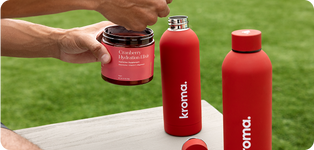
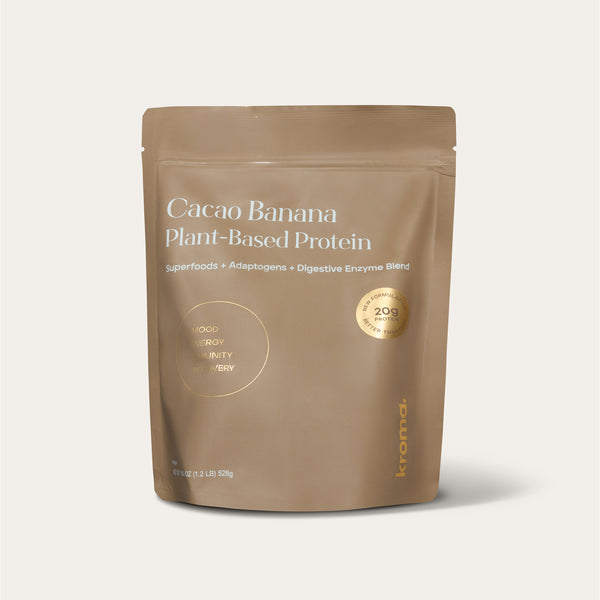
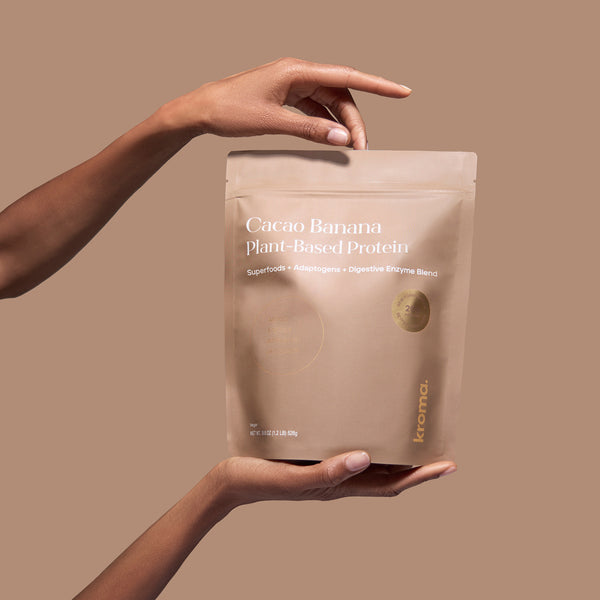
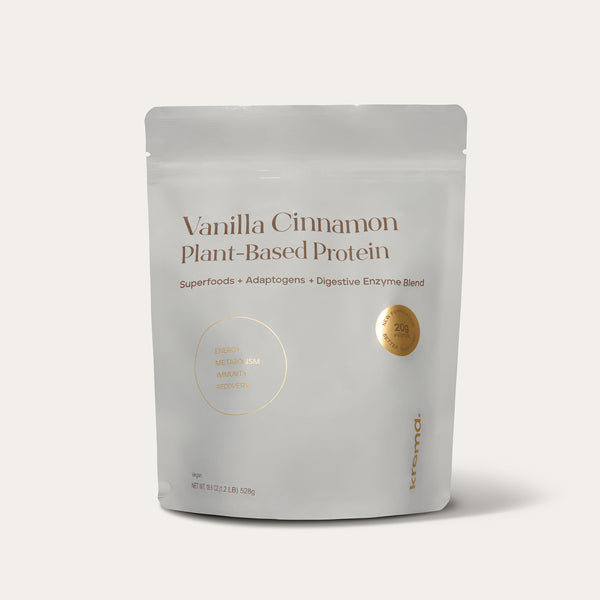
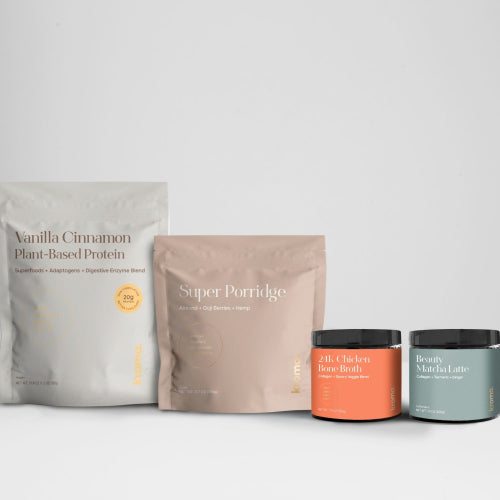
Kroma tip: Plant-Based Protein is an easy-to-digest, complete amino acid source that works with reduced GLP-1 appetite rather than against it — delivering meaningful protein in a low-volume, low-effort format that doesn't feel overwhelming when appetite is suppressed.
Choose a High-Protein Cleanse Over a Standard One
A cleanse that's built around protein, not deprivation, is the only kind that makes sense alongside GLP-1 medication. A high protein cleanse supports detoxification pathways, gives the digestive system a rest from heavy or processed foods, and simultaneously provides the amino acids needed to protect muscle mass throughout. It resets without depleting.
Kroma tip: The Kroma 5-Day Reset is specifically designed around this principle — a functional, nutrient-dense cleanse that is high in protein, anti-inflammatory, and built to support body composition rather than compromise it. For anyone navigating GLP-1 nutrition, it's the cleanse that works with the medication, not against it.
Prioritize Easy, High-Quality Protein at Every Meal
On days when appetite is minimal, the goal is protein density, the most protein in the least volume and effort. Eggs, Greek yogurt, cottage cheese, edamame, and protein shakes are all high-value, easy-to-tolerate options that don't require a full appetite to consume meaningfully.
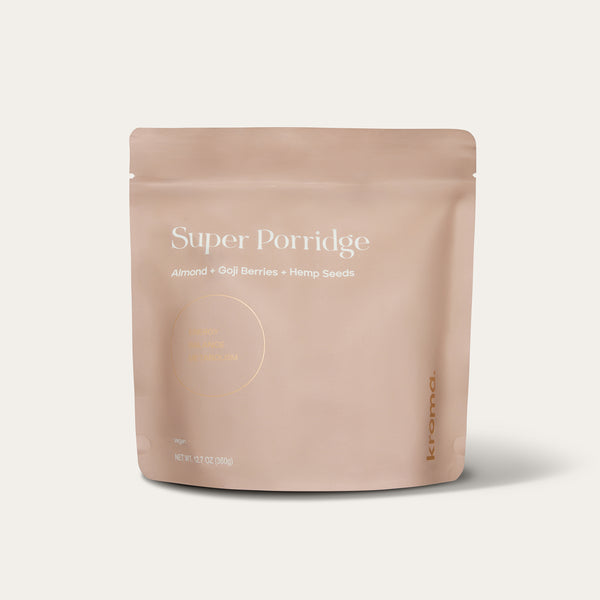
Kroma tip: Super Porridge delivers protein, fiber, and functional nutrition in a format that's easy to eat even on low-appetite days — making it one of the most practical GLP-1 nutrition tools for daily use.
Support Muscle with Resistance Training
Diet protects muscle; resistance training builds and preserves it. Even light strength training two to three times per week significantly reduces GLP-1 muscle loss during active weight loss. Movement doesn't need to be intense; it needs to be consistent and to involve load-bearing activity that signals the body to hold on to lean tissue.
Address Gut Health
GLP-1 medications slow gastric emptying, which can affect gut motility, microbiome diversity, and nutrient absorption over time. Supporting gut integrity ensures that the protein you're consuming is actually being broken down and absorbed effectively, not passing through a compromised system at reduced efficiency.
Kroma tip: Super Core Kroma's dairy-free colostrum supports gut lining integrity, reduces inflammation, and improves absorptive function, ensuring your body can fully utilize the protein and nutrients you're prioritizing.
Your Results Depend on What You're Losing

GLP-1 medications have changed what's possible for a lot of people. But the long-term success of that change depends not just on how much weight comes off — but on what kind of weight, and what's left behind.
Muscle is your metabolism. It's your strength, your energy, your resilience, and your body's ability to maintain the results you've worked for. Losing it while chasing weight loss is a trade that costs far more than most people realize until it's already happened.
GLP-1 and protein aren't competing priorities. They're complementary ones. The medication does its job better when protein intake is high enough to protect lean mass. And the results last longer when the weight you've lost is fat, not the muscle you'll need to keep it off.
Eat less. But make what you eat count. Start with protein.
Support your GLP-1 journey with Kroma. Explore the Kroma 5-Day Reset and our Protein Collection, designed to protect muscle, fuel your metabolism, and make every bite work harder.
FAQ: Why High-Protein Cleanses Work With GLP-1s
Will I lose muscle on a GLP-1 medication?
You can, but it's not inevitable. The main driver of muscle loss on GLP-1s is inadequate protein intake, not the medication itself. Hitting a daily protein target and incorporating resistance training significantly reduces that risk.
How much protein do I actually need while on a GLP-1?
Most research supports 1.2–1.6g of protein per kilogram of body weight daily during active weight loss — and potentially more if you're older or very active. Since GLP-1s suppress appetite, prioritizing protein at every small meal is essential.
Is it safe to cleanse while on a GLP-1 medication?
A standard juice or low-calorie cleanse isn't ideal — it compounds the muscle loss risk. A high-protein, nutrient-dense reset like the Kroma 5-Day Reset is specifically designed to support body composition while giving your digestive system a break.
References:
Last Edited: June 22, 2026