You eat well. You exercise. You try to sleep. And yet something still feels off — the weight that won't budge, the mood swings that catch you off guard, the fatigue that no amount of sleep seems to fix, the cravings that feel completely out of your control.
Sound familiar?
If it does, your hormones may be trying to tell you something. And here's the thing: you can't out-eat, out-exercise, or out-willpower a hormone imbalance. You have to address it at the source.
Here's what you need to know.
What Are Hormones, Really?
Hormones are chemical messengers produced by glands throughout your body — the adrenals, thyroid, ovaries, testes, pancreas, and more. They travel through the bloodstream and regulate virtually every function in your body: metabolism, mood, sleep, appetite, reproductive health, immune function, energy, and stress response.
When your hormones are balanced and communicating well, you feel like yourself — energized, clear-headed, emotionally steady, and in sync. When even one hormonal system is disrupted, the ripple effects can touch every corner of your life.
The tricky part? Hormonal imbalance often develops gradually and quietly. By the time you notice the symptoms, the imbalance has typically been building for months — sometimes years.
Common Signs Your Hormones Are Out of Balance
Hormonal symptoms are often dismissed as stress, aging, or "just how you are." But these are signals worth paying attention to:
Weight changes that don't make sense. Gaining weight despite eating well, or struggling to lose weight regardless of effort, is one of the most common signs of hormonal disruption — particularly involving insulin, cortisol, or thyroid hormones.
Persistent fatigue. Not ordinary tiredness, but a deep, bone-level exhaustion that doesn't improve with rest. This is frequently linked to adrenal fatigue, thyroid dysfunction, or blood sugar dysregulation.
Mood swings, anxiety, or irritability. Estrogen, progesterone, and cortisol all play significant roles in emotional regulation. When these are out of balance, mood instability often follows.
Sleep problems. Difficulty falling asleep, staying asleep, or waking between 2–4 AM (a classic cortisol pattern) are all common signs of hormonal disruption.
Irregular or painful periods. Changes in cycle length, flow, or intensity often reflect imbalances in estrogen and progesterone — and shouldn't be ignored or normalized.
Low libido. Testosterone and estrogen both influence sex drive in men and women. When either is out of range, interest in intimacy often declines.
Skin and hair changes. Acne along the jawline, excess facial hair, thinning hair on the scalp, or persistent skin dullness frequently have a hormonal root cause.
Cravings — especially for sugar and carbs. Insulin dysregulation and elevated cortisol both drive intense cravings for quick-energy foods, creating a vicious cycle that's hard to break through willpower alone.
The Big Players: Hormones to Know
While the endocrine system is complex and interconnected, a handful of hormones are at the root of most common imbalances.
Cortisol
Cortisol is your primary stress hormone, produced by the adrenal glands. In appropriate doses, it's essential — it helps you wake up in the morning, respond to challenges, and regulate inflammation. But in today's chronically stressed world, cortisol levels are frequently elevated for too long, too often. Chronic high cortisol drives belly fat storage, disrupts sleep, suppresses immune function, and interferes with virtually every other hormone in the body.
Insulin
Insulin regulates blood sugar by helping cells absorb glucose for energy. When you eat too many refined carbohydrates and sugars too frequently, cells can become insulin-resistant — meaning they stop responding effectively, blood sugar stays elevated, and the body stores more fat. Insulin resistance is one of the most widespread metabolic issues affecting modern health and is closely tied to weight gain, energy crashes, and increased chronic disease risk.
Estrogen and Progesterone
These two hormones need to exist in careful balance, particularly for women. Estrogen dominance — when estrogen is high relative to progesterone — is increasingly common due to dietary factors, environmental estrogens (found in plastics and certain personal care products), chronic stress, and poor gut health (the gut plays a key role in clearing excess estrogen from the body). Symptoms include heavy periods, PMS, mood swings, bloating, and difficulty losing weight.
Thyroid Hormones
The thyroid is your metabolic engine. When thyroid function is low (hypothyroidism), everything slows down — metabolism, mood, digestion, hair growth, and cognitive function. Thyroid issues are significantly underdiagnosed, particularly in women.
What Disrupts Hormonal Balance?
Understanding the root causes of hormonal imbalance is the first step toward addressing them.
Chronic stress is arguably the single biggest driver of hormonal disruption. Elevated cortisol directly interferes with thyroid function, suppresses sex hormone production, and promotes insulin resistance.
Poor diet — particularly diets high in refined sugars, processed foods, and inflammatory oils — disrupts insulin signaling, promotes gut dysbiosis (which affects estrogen clearance), and deprives the body of the nutrients it needs to synthesize hormones.
Inadequate sleep is both a consequence and a cause of hormonal imbalance. Growth hormone is primarily released during deep sleep. Leptin and ghrelin (hunger hormones) are regulated during sleep. Even one night of poor sleep measurably disrupts insulin sensitivity and cortisol patterns.
Environmental toxins — known as endocrine disruptors — are found in plastics, pesticides, conventional cosmetics, and certain food packaging. These compounds mimic or interfere with hormones in the body, contributing to imbalance over time.
Over-exercising or under-recovering can chronically elevate cortisol, suppress reproductive hormones, and drive adrenal fatigue — particularly in women.
How to Naturally Support Hormone Balance

The good news: lifestyle and nutrition are among the most powerful tools available for hormonal rebalancing. Here's where to start.
Stabilize Blood Sugar First
Blood sugar regulation is foundational to hormonal health. When blood sugar spikes and crashes repeatedly, cortisol and insulin are constantly activated — and this disrupts everything else downstream.
To stabilize blood sugar:
- Eat protein at every meal and snack
- Reduce or eliminate refined sugar and processed carbohydrates
- Never eat carbohydrates alone — always pair them with protein and fat
- Avoid skipping meals, which triggers cortisol release
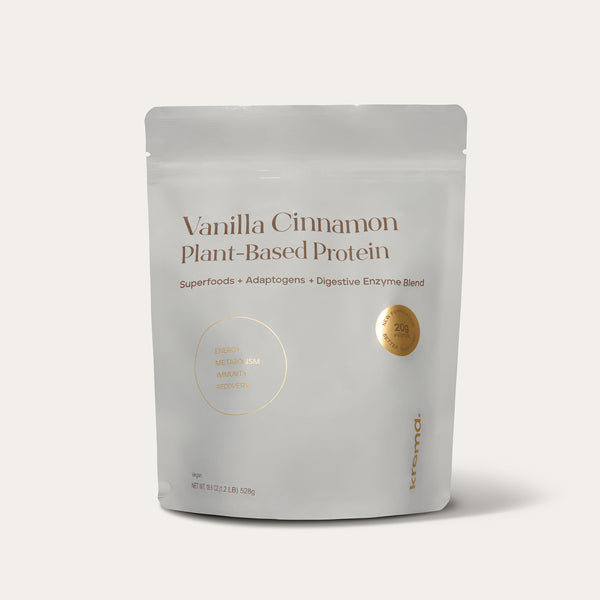
Kroma tip: Starting your day with a high-protein meal is one of the single most impactful habits for blood sugar stability. Super Porridge or a protein smoothie made with Plant-Based Protein sets the right hormonal tone from the very first meal.
Incorporate Adaptogens
Adaptogens are a class of herbs and mushrooms that help the body adapt to stress by modulating cortisol and supporting adrenal function. Some of the most well-researched adaptogens for hormonal health include ashwagandha, maca, reishi, rhodiola, and cordyceps.
These aren't quick fixes — they work best as part of a consistent daily ritual — but over time, they can meaningfully support the body's stress response and help rebalance cortisol patterns.
Kroma tip: Several Kroma products are formulated with adaptogenic ingredients. The Beauty Matcha Latte and Plant-Based Proteins include functional adaptogens specifically chosen for energy regulation and stress support.
Support Your Gut
The gut plays a surprisingly central role in hormonal balance — particularly for estrogen. A collection of gut bacteria called the "estrobolome" is responsible for metabolizing and clearing excess estrogen from the body. When gut health is compromised, estrogen can be reabsorbed rather than eliminated, contributing to estrogen dominance.
Supporting gut health through fiber-rich foods, bone broth, colostrum, and reduced sugar intake is also hormonal health work.
Kroma tip: Super Core — Kroma's dairy-free colostrum — supports gut lining integrity and immune function, both of which contribute to healthy hormonal clearance.
Prioritize Magnesium
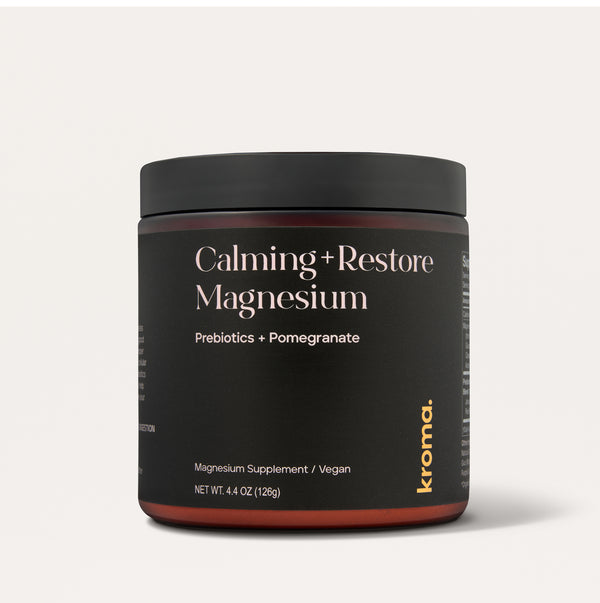
Magnesium is required for over 300 enzymatic reactions in the body, including the production and regulation of hormones. It plays a specific role in reducing cortisol, supporting sleep quality (which in turn regulates all other hormones), and improving insulin sensitivity. Most people are chronically deficient.
Kroma tip: Calming + Restore Magnesium taken nightly supports deep sleep, cortisol regulation, and the nervous system's ability to move out of chronic stress mode.
Reduce Toxic Load
Audit your daily exposure to endocrine disruptors:
- Switch to glass or stainless steel water bottles and food containers
- Choose organic produce for the most pesticide-heavy crops
- Transition to cleaner personal care and household products
- Reduce plastic use in food storage and cooking
These aren't overnight changes — but each swap reduces the cumulative toxic burden your endocrine system is working against.
Move Intentionally — Not Excessively
Exercise supports hormonal balance when it's appropriate and varied. Strength training supports insulin sensitivity and healthy testosterone levels. Walking and yoga are excellent for cortisol regulation. Excessive high-intensity exercise without adequate recovery can backfire, particularly for women with adrenal or thyroid issues.
A Note on Testing
If you suspect a significant hormonal imbalance, working with a functional medicine practitioner to test your hormone levels — through blood, urine, or saliva panels — can provide invaluable clarity. Guessing based on symptoms alone has limits. Testing takes the guesswork out and allows for targeted, personalized support.
Your Hormones Respond to How You Live
Hormonal balance isn't a destination — it's a dynamic, ongoing response to the way you eat, sleep, move, and manage stress. The body wants to be in balance. It is always trying to regulate itself. Your job is simply to stop putting up barriers and start giving it what it needs.
Consistent nutrition. Adequate sleep. Stress management. Targeted supplementation. Reduced toxic exposure. These aren't complicated interventions — but they are the foundation that hormonal health is built on.
Start there. Stay consistent. Your hormones will thank you.
Support your hormonal health with Kroma. Shop our Hormone Collection and discover daily essentials designed to work with your body, not against it.
Last Edited: April 03, 2026