You eat well. You prioritize protein. You take care of your hormones, manage your stress, and try to do all the right things for your health.
And yet you're still struggling with disrupted sleep, mood swings, muscle tension, low energy, or that persistent feeling that your body isn't functioning quite the way it should.
Sound familiar?
If it does, there may be one simple explanation hiding in plain sight: magnesium.
Magnesium is one of the most important minerals in the human body. It supports everything from sleep quality and nervous system regulation to hormone balance, metabolism, muscle function, and energy production. Yet despite its importance, most women aren't getting enough of it.
This isn't a wellness trend or a supplement fad. It's a widespread nutritional gap with real consequences for how women feel every day.
Here's what you need to know.
Why Magnesium Matters
Magnesium is involved in more than 300 biochemical reactions throughout the body. Every heartbeat, muscle contraction, nerve signal, and energy-producing process depends on it.
Because it influences so many systems simultaneously, magnesium functions less like a single nutrient and more like a foundational regulator of overall health. When levels are optimal, many of the body's most important processes run efficiently behind the scenes. When levels are low, the effects can ripple throughout nearly every system.
Nervous System Regulation
Magnesium plays a critical role in helping the nervous system maintain balance. It supports neurotransmitters that regulate communication between the brain and body while helping to moderate the body's stress response. Adequate magnesium levels help the nervous system transition between periods of activity and recovery, making it easier to feel calm, focused, and resilient in the face of everyday stressors.
Muscle Relaxation and Recovery
Muscles rely on magnesium to relax properly after contraction. Without enough magnesium, muscle tissue can remain in a more tense or contracted state, contributing to feelings of tightness, discomfort, or occasional cramping. This is why magnesium is often associated with physical recovery, exercise performance, and overall muscular comfort.
Sleep Quality
Quality sleep depends on the body's ability to shift from a state of alertness into a state of relaxation. Magnesium supports this process by helping regulate neurotransmitters involved in sleep and calming the nervous system before bed. Healthy magnesium levels are associated with the body's natural ability to unwind, fall asleep, and maintain restorative sleep throughout the night.
Energy Production
Every cell in the body requires energy to function, and magnesium plays a direct role in producing that energy. It is essential for the creation and activation of ATP, the molecule responsible for powering cellular activity. When magnesium levels are insufficient, energy production becomes less efficient, which can contribute to feelings of fatigue and reduced vitality.
Blood Sugar Balance
Magnesium is involved in the processes that help the body utilize insulin and regulate blood glucose levels. Maintaining healthy magnesium levels supports normal metabolic function and helps ensure that cells can effectively use energy from the foods we eat.
Bone Health
While calcium often gets most of the attention, magnesium is equally important for maintaining strong, healthy bones. In fact, a significant portion of the body's magnesium is stored in the skeletal system. Magnesium works alongside calcium and vitamin D to support bone formation, density, and long-term skeletal health throughout every stage of life.
Stress Resilience
Stress and magnesium have a two-way relationship. Chronic stress increases the body's demand for magnesium, while inadequate magnesium levels can make it more difficult to regulate the physiological stress response. Over time, this can create a cycle in which stress depletes magnesium and low magnesium makes stress feel more intense. Supporting healthy magnesium levels may help the body better adapt to physical and emotional challenges.
Hormonal Function
Hormones influence everything from mood and metabolism to sleep and reproductive health, and magnesium helps support many of the systems that regulate hormonal balance. Throughout the menstrual cycle, pregnancy, perimenopause, and menopause, magnesium contributes to the normal functioning of processes that help women navigate hormonal transitions more comfortably.
Because magnesium is involved in so many systems at once, deficiency doesn't always show up as one obvious symptom. Instead, it often appears as a collection of seemingly unrelated issues: fatigue, irritability, poor sleep, headaches, muscle cramps, anxiety, difficulty concentrating, or feeling constantly overwhelmed.
The challenge is that many women assume these symptoms are simply part of modern life.
Often, they're at least partly a magnesium story.
Why Magnesium Hits Differently for Women

Magnesium is essential for everyone, but women experience unique physiological demands throughout life that make adequate magnesium intake especially important.
From monthly hormonal fluctuations to pregnancy and menopause, magnesium intersects with nearly every major transition a woman's body experiences.
The Menstrual Cycle
Hormones don't operate in isolation, and magnesium plays an important supporting role throughout the menstrual cycle.
As estrogen levels fluctuate, magnesium helps regulate inflammatory pathways, supports neurotransmitter function, and contributes to mood stability. During the luteal phase, the one to two weeks before menstruation, adequate magnesium intake may help support emotional well-being, reduce occasional bloating, and promote overall comfort.
Research has consistently found that women experiencing PMS symptoms often have lower magnesium levels than women who do not.
Hormonal birth control can increase magnesium needs further, making adequate intake even more important.
Pregnancy and Breastfeeding
Growing a human is one of the most nutritionally demanding experiences the body can undergo.
During pregnancy, magnesium requirements increase significantly as the body supports fetal development, cell growth, muscle function, and blood sugar regulation.
Recommended intake rises to approximately 360–400mg per day, depending on age and stage of pregnancy.
The challenge is that many women struggle to meet standard magnesium recommendations before pregnancy even begins.
Breastfeeding continues to place demands on nutrient stores, making ongoing magnesium support an important consideration during the postpartum period as well.
Perimenopause and Menopause
Few life stages highlight the importance of magnesium more clearly than perimenopause and menopause.
As estrogen declines, women often experience changes in sleep quality, mood, stress resilience, and bone density. Magnesium interacts with each of these systems.
It works alongside calcium and vitamin D to support healthy bones. It helps regulate nervous system activity during periods of hormonal fluctuation. And it contributes to the relaxation processes necessary for deep, restorative sleep.
When sleep becomes harder to maintain and stress feels more difficult to manage, magnesium becomes increasingly valuable as foundational nutritional support.
Metabolic Health
Magnesium plays a central role in glucose metabolism and insulin signaling—two systems that become increasingly important as women age.
Research continues to show that maintaining healthy magnesium levels supports normal metabolic function and healthy blood sugar regulation.
Because hormonal shifts during perimenopause and menopause can affect metabolic health, ensuring adequate magnesium intake is one of the simplest ways to support long-term wellness.
Common Signs You May Not Be Getting Enough Magnesium
Magnesium deficiency doesn't always look dramatic. In many cases, the signs develop gradually and become normalized over time.
Some of the most common indicators include:
Difficulty Falling or Staying Asleep
Magnesium helps activate the parasympathetic nervous system—the "rest and restore" branch responsible for helping the body relax.
When magnesium levels are low, it may become more difficult to quiet mental activity and transition into restorative sleep.
Frequent Muscle Tension or Cramping
Magnesium plays an essential role in muscle relaxation. Without adequate levels, muscles may remain in a more contracted state, contributing to tightness, tension, and occasional cramping.
Increased Stress and Irritability
Stress depletes magnesium, and magnesium helps regulate the body's stress response.
This creates a frustrating cycle: the more stressed you become, the more magnesium you use. The lower your magnesium levels fall, the harder it becomes to manage stress effectively.
Low Energy
Every cell in the body relies on magnesium to produce ATP—the molecule that powers cellular energy production.
When magnesium levels are suboptimal, energy production becomes less efficient, often contributing to feelings of fatigue and sluggishness.
Mood Fluctuations
Magnesium supports neurotransmitters involved in mood regulation and emotional balance.
While it's not a cure-all, maintaining healthy magnesium levels can help support overall emotional well-being and resilience.
The Best Food Sources of Magnesium
When it comes to magnesium, food should always be the foundation. Many of the richest magnesium sources are also among the most nutrient-dense foods available.
Dark Leafy Greens
Spinach, Swiss chard, kale, and other leafy greens provide meaningful amounts of magnesium alongside fiber, antioxidants, and essential vitamins.
Nuts and Seeds
Pumpkin seeds are one of the most concentrated dietary sources of magnesium, delivering roughly 150mg per handful.
Almonds, cashews, chia seeds, and sunflower seeds are also excellent choices.
Legumes
Black beans, lentils, chickpeas, and edamame contribute both magnesium and fiber, making them valuable additions to a hormone-supportive diet.
Whole Grains
Quinoa, oats, brown rice, and other minimally processed grains provide magnesium while supporting steady energy and blood sugar balance.
Fatty Fish
Salmon, mackerel, and other fatty fish offer magnesium alongside omega-3 fatty acids that support brain, heart, and hormonal health.
Building meals around these foods doesn't just improve magnesium intake—it supports the broader nutritional foundation that allows the body to function optimally.
Why Food Alone Isn't Always Enough
While a nutrient-dense diet is essential, the reality is that many women still struggle to meet their magnesium needs consistently.
Modern agricultural practices have reduced magnesium levels in soil. Highly processed foods dominate many diets. Stress increases magnesium utilization. And life stages such as pregnancy, perimenopause, and periods of high physical or emotional demand can increase requirements even further.
As a result, supplementation can be a valuable tool for closing the gap.
The goal isn't replacing healthy eating.
It's supporting the body when food alone isn't enough.
How Kroma Helps Close the Gap
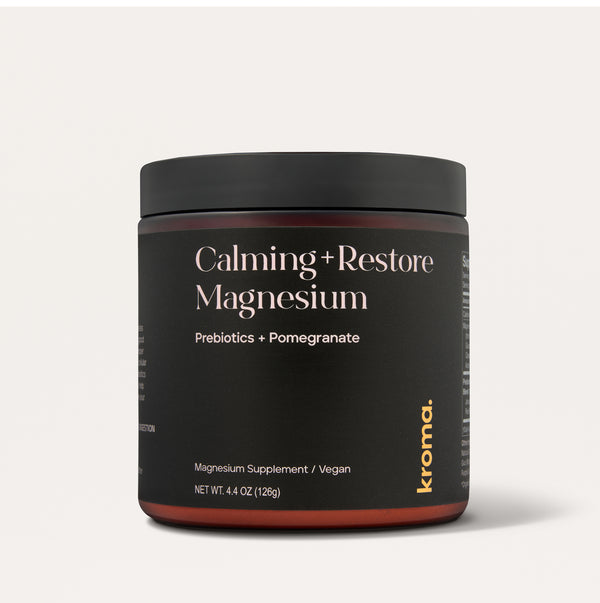
Calming + Restore Magnesium

Quality matters when it comes to magnesium supplementation.
Kroma's Calming + Restore Magnesium is designed to support the areas where women most commonly feel the effects of magnesium depletion: sleep, nervous system regulation, stress resilience, and muscle relaxation.
Taken in the evening, it helps support the body's natural transition into rest mode, promoting relaxation and preparing the nervous system for restorative sleep.
For women who feel mentally overstimulated at night, experience difficulty unwinding, or struggle with the physical tension that often accompanies chronic stress, magnesium can become one of the most impactful daily wellness habits.
Rather than forcing sleep, it supports the biological processes that make quality sleep possible.
And because better sleep influences everything from mood and hormones to energy and metabolism, the benefits often extend far beyond bedtime.
Your Foundation for Long-Term Wellness

Magnesium isn't a niche supplement.
It isn't reserved for athletes, biohackers, or wellness enthusiasts.
It's a foundational mineral that every woman depends on, every single day.
From supporting sleep and stress resilience to promoting healthy muscles, metabolism, hormones, and bones, magnesium touches nearly every aspect of health.
The symptoms many women attribute to stress, aging, or simply being busy may have deeper nutritional roots than they realize.
The good news is that magnesium deficiency is one of the most addressable wellness gaps.
Start with nutrient-dense foods. Support your body during demanding life stages. And when necessary, use high-quality supplementation to help close the gap.
You don't have to accept feeling wired, depleted, or off. You have options. Use them.
— The Kroma Team
*The Food and Drug Administration has not evaluated these statements. This product is not intended to diagnose, treat, cure, or prevent any disease.
Sources:
Last Edited: June 04, 2026