Matcha vs. coffee is one of the most common questions in the wellness space — and the answer comes down to how each one delivers caffeine. Coffee hits hard and fades fast. Matcha releases more slowly, paired with an amino acid that smooths out the edges. If you're tired of the 3 p.m. crash, switching from coffee to matcha may be the easiest energy upgrade you can make.
How Coffee Works (And Why It Crashes)
Coffee delivers caffeine quickly. Within 30 to 45 minutes, you feel the spike — alert, focused, slightly wired. The downside: that fast release also raises cortisol, your body's primary stress hormone. When the caffeine wears off two to three hours later, you crash hard. Many people respond by reaching for another cup, which restarts the cycle.
Coffee is also acidic, which can irritate the gut lining and worsen reflux for sensitive drinkers. None of this means coffee is "bad", but if you're someone who feels jittery, anxious, or wiped out by mid-afternoon, the delivery mechanism may be working against you.
How Matcha Works (And Why It Doesn't)

Matcha contains about half the caffeine of coffee per serving, but the experience feels different because of one key compound: L-theanine. This amino acid, found naturally in green tea leaves, slows caffeine absorption and promotes calm focus. Instead of a spike-and-crash, you get four to six hours of steady, even energy.
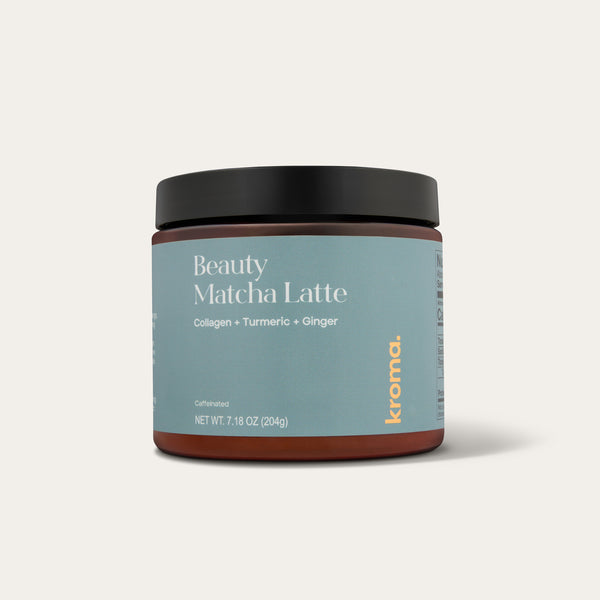
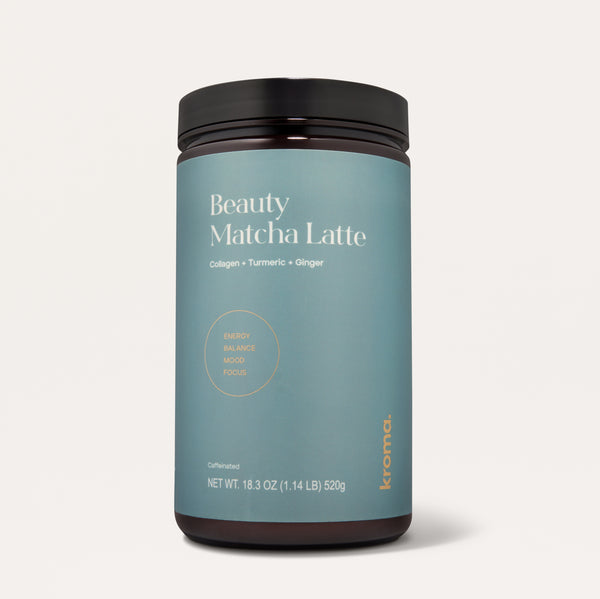
Ceremonial-grade matcha — like the one used in Kroma's Beauty Matcha Latte — is shade-grown to concentrate L-theanine and chlorophyll, giving you more antioxidants per serving than regular green tea. It's also gentler on the stomach, making it a better option if coffee leaves you bloated or jittery.
Matcha Caffeine vs. Coffee: The Numbers
A standard 8 oz cup of brewed coffee contains roughly 95 mg of caffeine. The same size serving of matcha contains around 60–70 mg. The lower caffeine load, combined with L-theanine, is why matcha drinkers report fewer jitters and no afternoon crash.
Another factor: matcha is whole-leaf. When you whisk matcha powder into water, you're consuming the entire leaf — fiber, antioxidants, chlorophyll, and all. Coffee, by contrast, is a brew. The grounds get discarded, and most of the plant compounds with them.

Is Matcha Better Than Coffee? It Depends on What You Want
Coffee wins on raw stimulation. If you need a fast, sharp wake-up, nothing else delivers quite like it.
Matcha wins on sustained energy. If your goal is steady focus, less anxiety, fewer crashes, and gentler digestion, matcha is the better tool. It's also a better fit for anyone navigating hormonal shifts — cortisol sensitivity tends to rise during perimenopause, and coffee can amplify symptoms like anxiety, poor sleep, and weight gain around the midsection.
Many people who switch don't quit caffeine entirely — they just trade morning coffee for matcha and keep coffee as an occasional treat.
How to Switch From Coffee to Matcha (Without Suffering)
Going cold turkey on coffee is unnecessary — and uncomfortable. Most people who try end up with three days of headaches and quit by day four. A smoother approach:
-
Start with one swap per day. Replace your morning coffee with matcha for a week. Keep your afternoon coffee if you need it.
-
Choose a quality matcha. Conventional matcha tastes bitter and grassy because it's lower grade. Ceremonial-grade matcha is smooth, slightly sweet, and easier to enjoy daily. Kroma's Beauty Matcha Latte blends ceremonial matcha with collagen, turmeric, ginger, and adaptogenic mushrooms for energy plus skin and gut support.
-
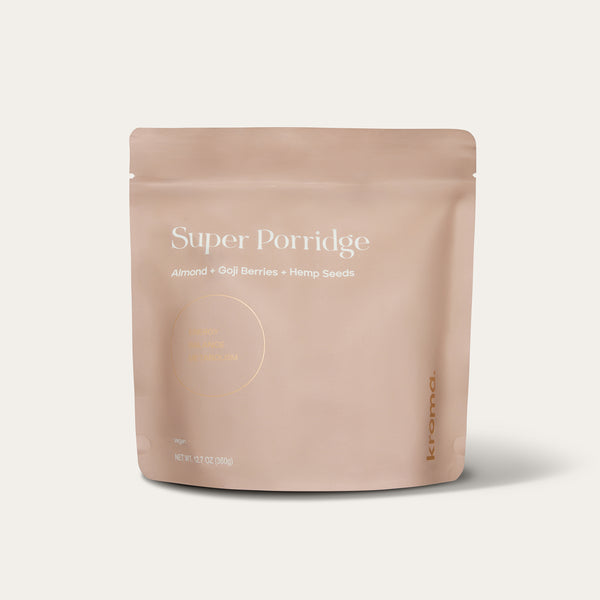
Pair with protein. Caffeine on an empty stomach spikes cortisol. Drink matcha alongside a protein-rich breakfast — like Super Porridge or a protein smoothie — to keep blood sugar stable.
-
Give it a week. It takes about seven days to recalibrate. Most people report sharper focus, better sleep, and steadier moods by day five.
-
Ready to make the switch? Try Kroma's Beauty Matcha Latte — ceremonial matcha with 6–12g of collagen protein, beauty mushrooms, and clean, sustained energy in every sip.
FAQ: Matcha vs. Coffee
Does matcha have caffeine?
Yes, but less than coffee. A typical serving of matcha contains 60–70 mg of caffeine compared to coffee's 95 mg. The presence of L-theanine in matcha slows caffeine absorption, which is why matcha delivers steady energy without the jittery feeling many people get from coffee.
Is matcha better than coffee for anxiety?
For most people, yes. L-theanine has been shown to reduce stress markers and promote calm focus, balancing out the stimulating effect of caffeine. People who feel anxious or jittery on coffee often tolerate matcha well — even at similar caffeine doses.
Can I drink matcha every day?
Yes. Daily matcha is a common routine and generally well-tolerated. If you're caffeine-sensitive, start with one cup in the morning and avoid drinking it within four to six hours of bedtime. Pregnant or breastfeeding individuals should check with their healthcare provider on total caffeine intake.
Will I get headaches switching from coffee to matcha?
Possibly, but they're usually mild. Because matcha still contains caffeine — just less — most people experience a much gentler transition than quitting caffeine entirely. Staying hydrated and pairing matcha with food helps prevent withdrawal symptoms.
References:
Last Edited: June 01, 2026