The research is clear: when used to replace one or two meals daily as part of a calorie-controlled plan, meal replacement shakes support meaningful, sustainable weight loss without the metabolic downside of extreme restriction.

Best Meal Replacement Shakes: What to Look For
Not all meal replacement products are created equal. The best meal replacement shakes share several key characteristics that separate them from inferior options.
Adequate Protein Content
Protein should be at or above carbohydrate content. Look for at least 15-20 grams of protein per serving. Higher protein content increases satiety, helps preserve lean muscle mass during weight loss, and supports a higher metabolic rate.
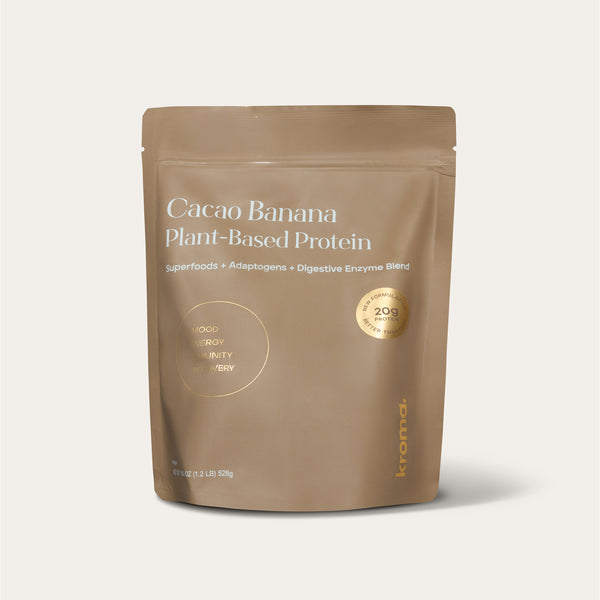
The protein source matters too. Plant-based proteins from peas, pumpkin seeds, and hemp can be just as effective as dairy-based proteins when properly formulated with all essential amino acids. Kroma's plant protein blends combine organic pea and pumpkin protein with Chocho—an Andean superfood containing all 9 essential amino acids plus additional fiber, calcium, and minerals.
Sufficient Fiber
At least 3-5 grams of fiber per serving supports digestive health, slows sugar absorption, and enhances feelings of fullness. Many commercial meal replacements skimp on fiber, leaving you hungry an hour later. Higher fiber content correlates with better appetite control and improved blood sugar stability.
Balanced Macronutrients
A true meal replacement should provide balanced nutrition: protein, healthy fats, and complex carbohydrates in ratios that support sustained energy. Avoid options that are just protein with minimal fat and carbs. Your body needs all three macronutrients to function optimally.
Clean Ingredients
The best meal replacement shakes use whole food ingredients rather than artificial additives. Watch for excessive added sugars, artificial sweeteners, synthetic vitamins, artificial colors and flavors, and fillers like maltodextrin or corn syrup solids.
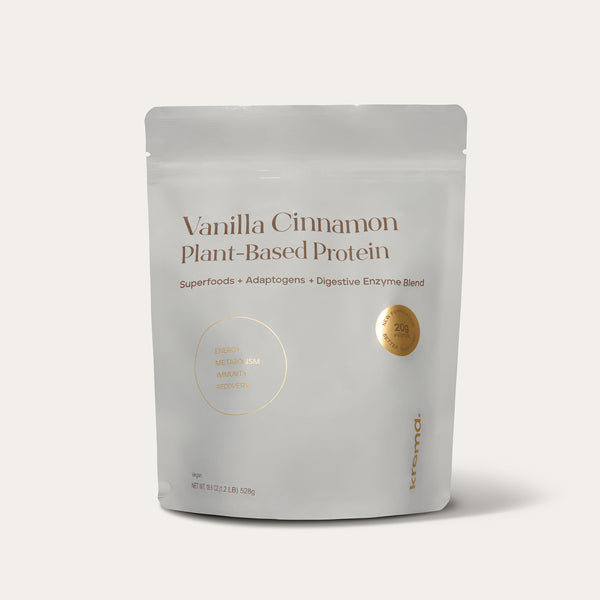
Kroma's Vanilla Cinnamon Plant Protein exemplifies clean formulation: it combines three plant proteins with digestive enzymes, adaptogenic mushrooms like reishi and cordyceps, coconut milk and coconut water, and natural sweeteners. Just add water for 20 grams of protein and complete nutrition
Vitamins and Minerals
Quality meal replacements are fortified with essential vitamins and minerals to ensure nutritional completeness. Look for products providing at least 25-30% of the Daily Value for key nutrients like vitamin D, B vitamins, calcium, magnesium, iron, and zinc.
Low Sugar Content
Many mainstream meal replacement shakes contain 15-20+ grams of added sugar per serving. This causes blood sugar spikes and crashes that leave you hungry and tired. The best options contain minimal added sugar (ideally under 10 grams) and use natural sweeteners like monk fruit or stevia.
Digestive Support
Premium meal replacements include ingredients that support digestion, such as digestive enzymes (amylase, protease, lipase), prebiotics or probiotics, ginger or other digestive aids. These additions help prevent the bloating and discomfort some people experience with protein-heavy products.
When to Use Meal Replacement vs Whole Foods
Meal replacements are tools, not permanent solutions. Understanding when they make sense, and when whole foods are better, helps you use them effectively.
Good situations for meal replacement:
- Genuinely no time to prepare or eat a proper meal
- Post-workout when you need quick nutrition
- Traveling or commuting without access to healthy food
- Structured weight loss phase (replacing 1-2 meals daily)
- Breaking the cycle of skipping meals or grabbing fast food
- Supporting protein intake when dietary protein is insufficient
Better to choose whole foods:
- When you have time to prepare and enjoy a meal
- Social eating situations with family or friends
- When you need the psychological satisfaction of chewing and eating
- If you're already meeting nutrition goals consistently
- When teaching children healthy eating habits (whole foods model this better)
- If you're not actually hungry and just think you "should" eat
The ideal approach for most people: use meal replacement strategically for 1 meal daily (often breakfast or lunch) while prioritizing whole foods for other meals. This provides convenience and calorie control without sacrificing the nutritional benefits and satisfaction of real food.
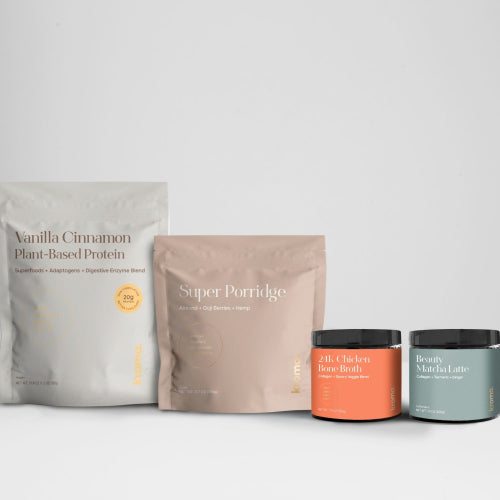
For comprehensive nutrition support, consider Kroma's High Protein Bundle, which includes plant protein smoothies, bone broth, super porridge, and beauty matcha, providing 52+ grams of protein daily across varied, whole-food-based options.
Common Meal Replacement Mistakes to Avoid
Even with quality products, poor usage patterns undermine results.
Using meal replacements with inadequate calories leads to excessive hunger and potential muscle loss. Most adults need at least 1,200-1,500 calories daily even when trying to lose weight. Don't replace all food with shakes.
Choosing products based on price alone often means inferior protein quality, excessive sugar, and artificial ingredients. The cheapest option rarely provides the best nutrition.
Ignoring whole food nutrition creates nutritional gaps over time. No shake, regardless of how well-formulated, can fully replace the thousands of beneficial compounds in whole foods.
Not reading labels carefully results in consuming hidden sugars, synthetic additives, or inadequate protein. Always check the nutrition panel and ingredients list.
Expecting meal replacements to do all the work without addressing lifestyle factors like sleep, stress, and movement sets you up for disappointment. Meal replacements are one tool in a comprehensive approach.
Continuing indefinitely without transition makes weight regain more likely. Use meal replacements to establish new habits, then gradually transition to whole food meals using the structure you've learned.
For a complete structured approach, explore Kroma's 5-Day Reset, which combines meal replacements with bone broths, supergreens, and other nutrient-dense foods in a comprehensive program designed to jumpstart healthy habits.
Frequently Asked Questions
What makes the best meal replacement shakes?
The best meal replacement shakes contain 15-20+ grams of high-quality protein, 3-5 grams of fiber, balanced macronutrients, minimal added sugar (under 10g), clean whole food ingredients, and essential vitamins and minerals. They should keep you full for 3-4 hours and provide genuine nutritional value, not just empty calories.
Do meal replacement shakes for weight loss work?
Yes, research consistently shows that replacing one or two meals daily with high-quality meal replacement shakes leads to significantly greater weight loss than traditional calorie-restricted diets, typically 5-8% of body weight over 3 months. They work by providing portion control, ensuring nutritional completeness, and making adherence easier.
Can I use meal replacement shakes every day?
Yes, when used properly. Replace 1-2 meals daily while eating whole foods for remaining meals. This approach is safe and effective for extended periods. Avoid replacing all meals with shakes, as this can lead to nutritional gaps and isn't sustainable long-term.
What's the difference between meal replacement powder and protein powder?
Meal replacement powder is designed to replace an entire meal with balanced nutrition including protein, carbs, fats, fiber, and micronutrients. Protein powder primarily provides protein and is meant to supplement your diet, not replace meals. Meal replacements are more nutritionally complete.
How much weight can I lose with meal replacement shakes?
Research shows typical weight loss of 5-10% of starting body weight over 3 months when replacing 1-2 meals daily with meal replacements and maintaining a calorie deficit. Results vary based on adherence, activity level, starting weight, and overall calorie intake.
Are meal replacement shakes healthy?
Quality meal replacement shakes are healthy when used appropriately as part of a balanced diet. Choose options with clean ingredients, adequate protein and fiber, minimal added sugar, and essential nutrients. They should supplement, not completely replace, whole foods in your diet.
Ready to simplify nutrition without sacrificing quality? Explore Kroma's protein collection featuring plant-based meal replacements with adaptogenic mushrooms, digestive enzymes, and complete amino acid profiles, designed by nutrition experts using the highest-quality superfoods.
References