

Miso Soup Health Benefits: 5 Ways Miso Is Good for You
Published at: August 29, 2025
Published at: August 29, 2025


Veggie Broth with Plant Protein
If you're searching for a rich, savory ingredient that offers numerous fantastic health benefits, it's time to try miso paste. This seemingly simple paste is full of complex flavors and health-boosting components, perfect for maintaining overall wellness. Whether you're sipping it as a soup or using it as a seasoning, the benefits of miso extend well beyond flavor.
Continue reading to uncover what miso is, the different varieties available, and the top five miso soup benefits for your health. We'll also discuss its taste and how to incorporate miso into your daily diet.
Miso is a quintessential ingredient in Japanese cooking, used for over 1,300 years. Typically found as a paste, miso is made from fermented soybeans, koji, salt, and water. Koji is often prepared with rice — sometimes soybeans or barley — fermented with Aspergillus oryzae. After combining these ingredients into a paste, they're left to ferment for a week or even several months.
Miso boasts an umami (savory) taste, used to flavor an array of foods like marinades, stews, salad dressings, and gravies. It's even started making appearances in desserts. The most well-known dish featuring miso is the traditional Asian miso soup. Miso soup is made by dissolving miso paste in dashi or hot water, and it's one of the simplest — and most effective — ways to experience the miso soup health benefits on a daily basis.
There are numerous variations of miso paste, determined by altering ingredients and fermentation time. While you may find many more options in Japan, in the United States, you're likely to encounter three main types of miso — shiro miso, shinshu miso, and aka miso.
White miso (shiro miso) generally offers a sweeter flavor. This type of miso is fermented for less time than darker varieties, making it perfect for desserts, light soups, and salad dressings.
Yellow miso (shinshu miso) has a slightly richer flavor than lighter miso, due to its longer fermentation period. This miso can be used in most recipes for a slightly deeper taste.
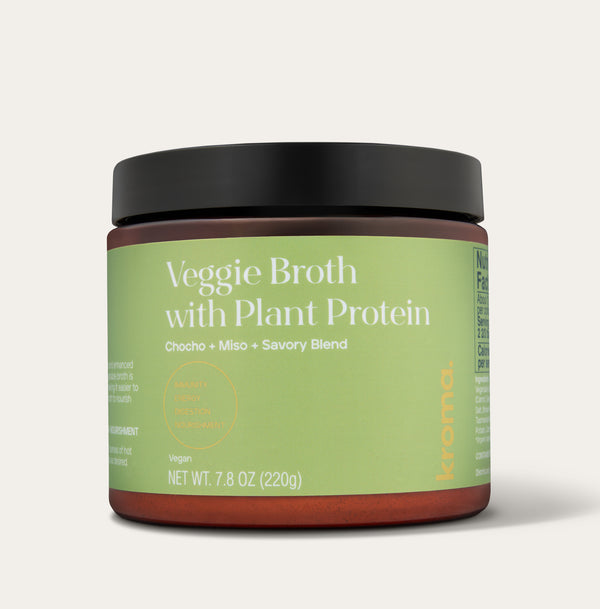
Red miso (aka miso) provides the deepest flavor, owing to its longest fermentation time. It can be the most pungent of the miso varieties and is ideal for hearty recipes due to its strong flavor. Our Veggie Broth with Plant Protein uses red miso to not only enhance its nutritional value but also deliver a rich umami taste perfect for gluten-free meals.

Yes — miso soup is good for you, and it's one of the most nutrient-efficient meals you can add to your daily routine. A single bowl of miso soup delivers probiotics, plant-based protein, vitamins, and minerals, all in a low-calorie, easy-to-digest format. The miso soup health benefits are well-supported by both traditional use in Japan — where miso soup is consumed once or twice daily — and by a growing body of modern research. Because 70% of your immune system lives in your gut, regularly consuming a probiotic-rich food like miso soup has far-reaching effects beyond digestion alone.
The key to preserving the miso soup benefits is preparation: always stir miso paste into hot (not boiling) water at the end of cooking. Boiling miso can damage its beneficial live cultures, reducing the probiotic impact.
Is miso good for you? While miso is commonly used to enhance the taste of dishes, it also offers potential health benefits. Here are some miso benefits you may experience when regularly consuming miso paste.
Maintaining digestive health is often essential for overall well-being. Your digestive system houses over 100 trillion bacteria, which play a critical role in the balance and health of your digestion. Fermented foods like miso are a type of probiotic that helps support healthy gut bacteria and promotes gut health.
Koji, a key component in miso, is considered a prebiotic. Prebiotics feed the beneficial bacteria in the gut. With both probiotic and prebiotic properties, miso may contribute to digestive support, and some individuals believe it helps reduce bloating. This dual probiotic-prebiotic action is one of the most well-established miso soup health benefits — and one of the main reasons a daily bowl has been a cornerstone of Japanese wellness for centuries.
Cholesterol often gets a bad reputation, but your body needs it to function. Maintaining healthy levels of both HDL and LDL cholesterol is crucial for hormone support, cell production, and vitamin D synthesis.
Miso has been shown to help maintain healthy cholesterol levels and blood pressure, supporting heart health. As miso is cholesterol-free, it's a sensible choice if you're monitoring your cholesterol levels. This cardiovascular support is another one of the notable miso soup benefits — particularly relevant given that Japan, where miso soup consumption is highest, consistently ranks among countries with the lowest rates of heart disease.
Your immune system is a complex network that fights off pathogens, infections, and diseases. Seventy percent of your immune system is located in your gut, and miso is believed to help maintain gut health and immune function.
Miso has also been shown to support the immune system when consumed, as it promotes a healthy immune response in the small intestines and spleen.
There are numerous ways to support your immune system, and maintaining a healthy, whole-food diet is paramount. Try incorporating miso into your daily routine to provide your immune system with an additional layer of support. For a convenient way to enjoy the immunity benefits of miso alongside other nourishing ingredients, Kroma's Veggie Broth with Plant Protein features red miso alongside 11 vegetables and plant protein — ready in seconds.
Soybeans are incredibly high in protein, which can account for up to 56% of their dry weight. During the fermentation process into miso, protein content can increase by 10%. Additionally, peptides—small chains of amino acids—found in soybeans are broken down during fermentation. Smaller peptides are more easily absorbed by the body.
Soybeans are also rich in vitamins and minerals, including vitamin K, B vitamins, manganese, calcium, folate, and potassium. These nutrients can be found in miso, even after the extended fermentation period of soybeans. High in fiber, miso may also act as a beneficial prebiotic. The nutrient density of miso is one reason the benefits of miso go far beyond what you might expect from a single tablespoon of paste. Boost your nutrient intake with our Creamy Miso Ramen with Kale and Greens recipe, which incorporates two types of miso and traditional ingredients for a rich, flavorful meal.

Aspergillus oryzae, a beneficial bacteria used during the miso fermentation process, is a known probiotic. Probiotics are beneficial, live bacteria that, when consumed, support the digestive system and maintain gut health. Regularly consuming probiotic-rich foods like miso — especially as a warm miso soup — is one of the most practical ways to maintain a healthy and diverse gut microbiome over time.
While miso can be a great addition to your diet, offering numerous potential health benefits, it may not suit everyone. Miso has a high salt content and might not be ideal for those monitoring their salt intake.
If you have allergies or sensitivities to certain foods, you may want to avoid miso or consult your healthcare professional first. Here are some points to consider about miso before incorporating it into your balanced diet.
Though rare, some individuals have an allergy to soy products. Since miso is made with soybeans, people with a soy allergy may experience an allergic reaction to miso.
Current research is being conducted on the allergen levels of miso. Preliminary findings suggest that the longer the miso soybean paste ferments, the fewer allergens may be present. However, because research is ongoing, it's advisable to avoid miso if you have a soy allergy. If you're curious about miso and how it may affect you, consult your doctor.
If you have gluten sensitivity, read miso packaging labels carefully. While miso is commonly made with soybeans and rice, barley might also be used, which isn't a gluten-free grain.
Unless the packaging explicitly states the ingredients used to make miso, or the product is marked gluten-free, you may want to avoid consuming it. Look for another miso product that is clearly labeled "gluten-free."
The red miso paste used in our Nourishing Broths — 24K Chicken Bone Broth, 24K Beef Bone Broth, and Veggie Broth with Plant Protein — are gluten-free. In fact, all Kroma Wellness products are proudly gluten-free.

There are five key taste profiles — sweet, salty, bitter, sour, and umami. Miso falls under the category of umami or savory. Expect a tangy, salty, nutty, and savory taste when using miso as a seasoning.
Depending on the miso type used in your dishes, you may experience different taste profiles. Lighter miso offers a milder flavor, while darker miso pastes have a stronger umami taste, better suited for robust flavor pairings.
Miso is common in Japanese cooking, and just a spoonful can flavor a soup, but it can be used in various other cuisines. If you're new to miso, try a lighter variety first. Its milder flavor profile is easier to experiment with, and you can explore deeper flavors as you become more familiar with miso.
The simplest way to start experiencing the miso soup benefits is exactly that — miso soup. Dissolve a tablespoon of miso paste into 8–10 oz of hot (not boiling) water, add tofu, seaweed, and green onion, and you have a gut-supporting, nutrient-rich meal in under five minutes.
Miso can be added to various dishes including stews, gravies, marinades, and soups, like our Veggie Broth with Miso + Coconut Milk Soup. While miso is often used in recipes to provide a rich, savory flavor, it can be used uncooked, for example as a condiment on sandwiches or a dip for raw veggies. You can also use miso in dessert recipes — it enhances chocolate flavors in brownies, adds a nutty taste to caramel, and pairs well with fruit in cobblers.
With miso's fantastic potential benefits and savory taste, we've included it in a few items in our 5-Day Reset Program. We select each ingredient (including miso!) carefully to bring you the healthiest products with the most delicious taste.
Miso has been part of Japanese cuisine for over a thousand years. Its nutty, tangy, umami flavor profile can enhance any recipe's taste — from stews to cookies. Depending on the fermentation duration, you'll notice different flavors, with darker miso boasting a more concentrated, deep taste, and lighter varieties offering subtler flavors.
Miso is more than just a flavor enhancer; it also provides several health benefits. Its probiotic nature can support digestive health, maintain immune function, and promote heart health. Whether you're asking "is miso good for you" or "is miso soup good for you" — the answer is yes. The benefits of miso are well-supported by both traditional use and modern science, and a daily serving is one of the simplest upgrades you can make to your wellness routine.
Kroma Wellness's mission is to bring you powerful, healing foods that help you maintain a healthy lifestyle. Our products are simple to prepare yet packed with the highest-quality ingredients.
Yes — miso soup is good for you. It delivers probiotics, plant-based protein, B vitamins, and essential minerals in a low-calorie, easy-to-digest format. The miso soup health benefits include gut microbiome support, immune function, and cardiovascular health. To preserve its live cultures, always stir miso paste into hot water off the heat rather than boiling it.
The miso soup health benefits include probiotic support for gut health, prebiotic action from koji, cardiovascular support through healthy cholesterol management, immune function support, and a broad spectrum of vitamins and minerals including vitamin K, B vitamins, manganese, and potassium. These benefits are most pronounced with consistent daily consumption.
Yes — one of the most significant miso soup benefits is immune support. Miso has been shown to promote a healthy immune response in the small intestines and spleen. This is closely tied to its gut health benefits, since a well-functioning gut microbiome is foundational to immune resilience.
Fermented foods can add depth to your diet | Harvard Health
New Insights into Cholesterol Functions: A Friend or an Enemy? | PMC
If you want to boost immunity, look to the gut | UCLA Health Connect
Ingestion of miso regulates immunological robustness in mice | PubMed
Chemical and nutritional characteristics of United States soybeans and soybean meals | PubMed
Hypoallergenicity of various miso pastes manufactured in Japan | PubMed
Last Edited: May 26, 2026
Veggie Broth with Plant Protein