

Mushroom Coffee: Using It to Benefit Your Health
Published at: August 18, 2025
Published at: August 18, 2025

While the phrase “mushroom coffee” may not make you want to rush online to buy and try it for yourself, we don’t recommend judging a book by its cover or, in this case, name. The name does leave something to be desired — visions of mushrooms floating in coffee certainly does not sound appetizing.
Good news: Mushroom coffee is not made with whole mushrooms and coffee, but with coffee grounds and ground adaptogenic mushrooms to create a robust flavor of coffee with an equally robust nutrient profile. No matter the name, the benefits of mushroom coffee are bountiful.
While mushroom coffee is a bit newer, only really being created in the 1940s, it is made from ingredients that have been used for thousands of years for their health properties. Mushrooms and coffee have both been shown to support cognitive function and energy levels, and they're both antioxidant-rich. The benefits of mushroom coffee include sleep support through reishi benefits, heart health, and anti-inflammatory properties.
Let’s learn more about mushroom coffee and mushroom lattes, where it came from, how it is made, and the health benefits it provides. You'll be adding mushroom coffee to your morning routine in no time.
One of the newest health and coffee trends is the mushroom latte. A mushroom latte is made by blending ground coffee with ground adaptogenic mushrooms and adding in your choice of non-dairy milk. In the end, leaving you with a cup of coffee that resembles basic coffee in look and taste, but with so many added health benefits.
Mushrooms have been used for medicinal purposes for thousands of years. The benefits of mushrooms are extensive. Coffee has also been around for thousands of years and has its own health benefits. But, who put these two ancient ingredients together?
While this seems like something that would be created today since we live in an age where adding health to everyday items is flourishing (and we are loving every minute of it), this was actually first started in the 1940s. During the Second World War, coffee beans were not available, so the Finnish created coffee from mushrooms. Today, mushroom coffee has been created not out of necessity, but with health in mind.
Mushroom coffee is made by combining ground coffee beans with ground adaptogenic mushrooms. You can make this yourself by using your favorite ground coffee beans. Brew your coffee as usual — adding cinnamon to this step adds a great flavor that brings out the savory taste of the mushrooms.
When your coffee is finished brewing, add in about a teaspoon of your organic adaptogenic mushroom blend and mix well. As you would with your normal coffee, finish with plant-based milk like oat or almond, and, if you like, add in a sugar substitute like maple syrup or lucuma.
You can also purchase pre-packaged mushroom coffee. These are usually made in a one-to-one ratio of mushroom powder to coffee. Always read the packaging to see the specific preparation recommendations for your brand, but you usually make these as you would your normal coffee.
Adaptogenic mushrooms are used to make mushroom coffee. Adaptogens are herbs or, in this case, mushrooms that help counteract the effects of stress on the body. These mushrooms have been used for thousands of years for their medicinal properties.
One similarity in all of these different mushrooms is their immune support!
With mushroom in the name, you may be nervous to try mushroom coffee, but with its nutty, earthy, slightly bitter notes, it actually tastes a lot like a specialty coffee. Coffee has such a strong flavor — it overpowers any taste of mushroom, not to mention mushrooms’ natural tendency to absorb the flavor around it. You can also add a dash of cinnamon to enhance the flavor.
While there has been very little scientific research on the combined benefits of mushrooms and coffee together in mushroom coffees, there has been much anecdotal evidence to support the safety and benefits of mushroom coffee.
There is also a lot of supporting research for the benefits of coffee and mushrooms alone. Mushroom coffee is relatively new to the market, so more robust scientific studies haven't really been popularized on it just yet.
As with anything, if you are concerned about adding it to your daily health stack because of possible medication interactions or if you’re pregnant or nursing, you should always consult your doctor with any questions you may have.
The benefits of mushroom coffee are the same benefits that are provided in mushrooms and coffee individually. Each of these individual ingredients has an abundance of health benefits, and, when added together, it gives you a well-rounded, healthful drink.
Here at Kroma Wellness, we love integrating easy, nourishing superfoods into our daily routines — here’s why mushroom coffee makes the cut!

One known health benefit of mushrooms is their support for heart health. Mushrooms can help support healthy cholesterol levels, and Chaga specifically is known for its help in maintaining healthy blood pressure levels. Mushrooms are also high in antioxidants, which are great for protecting the heart against free radicals.

Ulcers are open sores in the stomach, esophagus, or upper small intestine. They can be caused by certain over-the-counter medications, a bacteria in the stomach called Helicobacter pylori (H. pylori), and intense stress. Mushrooms, specifically lion’s mane, can help heal ulcers. Mushrooms also help inhibit the growth of H. pylori, which is the main cause of ulcers.

Adaptogens are herbs or mushrooms that reduce the negative effects of stress on the body. Mushrooms are known adaptogens that have been used medicinally for thousands of years. Specifically, the reishi mushroom has been known to increase the overall state of well-being because of the whole-body support it can provide.
Lion’s mane has also been shown to reduce anxiety and depression by supporting the hippocampus. The hippocampus, also called the emotional brain, is a structure in the brain that supports learning and memory.
Both coffee and mushrooms are high in antioxidants, which help battle free radicals.
Free radicals are molecules with a missing electron that can cause oxidative stress. Free radicals are caused by natural functions in the body, one being the immune system. While your body is perfectly designed to counterbalance itself, sometimes everyday stressors or the food we eat can cause added free radicals. When your body is unable to balance the free radicals, it can cause damage to cells in the body.
By supporting your body with mushroom coffee, which has antioxidants, you can help it regulate these functions. Reducing the free radicals in your body also reduces inflammation. Now the immune system doesn't have extra work to do.
Mushrooms are also full of nutrients like zinc and folate. Zinc helps in the creation of new immune cells, and folate helps to balance the immune system.
Mushroom coffee has less caffeine than traditional coffee because it is made with a one-to-one ratio of mushroom to coffee. While mushrooms have no caffeine, the coffee is cut in half, therefore the caffeine is cut in half as well. If you're curious about caffeine levels in different beverages, check out our comparison of chai tea caffeine vs coffee.
This is a better option for people who are more sensitive to caffeine. However, there is still caffeine, so if caffeine is an issue, you can opt for decaffeinated mushroom coffee.
With the reduction of stress and all-around brain support of adaptogenic mushrooms, especially reishi benefits for relaxation, your sleep will also benefit. While there have not been many studies on the effects of mushrooms and sleep, there is a lot of anecdotal evidence to support this claim. Many people also enjoy reishi mushroom tea before bed for its calming properties.
While inflammation is an important part of the immune response, too much inflammation for too long can wreak havoc on the body. One of the key benefits of mushroom coffee is its anti-inflammatory properties. By supporting your body with mushroom coffee's anti-inflammatory compounds, you can reduce unnecessary or even chronic inflammation, leaving your immune system to focus on real threats.
Inflammation also causes free radicals, which can create more inflammation. Your body can find itself in a vicious cycle of chronic inflammation and high oxidative stress, which can lead to a negative impact on your health. The benefits of mushroom coffee include helping your body balance out any unnecessary inflammation through the combined power of antioxidant-rich coffee and adaptogenic mushrooms like reishi and chaga.

The caffeine in coffee can help boost your energy levels, although sometimes coffee alone can cause an energy crash after the initial spike. Consuming cordyceps mushrooms has been shown to increase energy and stamina. Cordyceps, and their energy- and stamina-boosting properties, have been used in traditional medicine for thousands of years.
While you may get that first jolt of caffeine, adding cordyceps will help you maintain energy levels throughout the day, leaving you ready for any task that comes your way!
Mushrooms can support overall brain health and function. Lion’s mane is the most researched mushroom in this area and is specifically shown to support memory, including memory loss from age.
Caffeine is also known to support memory. Adding mushroom coffee to your day, specifically during times of needed focus and memory, may be beneficial to you.
While the benefits of mushroom coffee are significant, it's important to understand potential considerations before adding it to your routine.
Most people tolerate mushroom coffee well, but some individuals may experience digestive upset when first introducing adaptogenic mushrooms. Starting with a smaller amount and gradually increasing can help your body adjust.
Reishi side effects are generally minimal for most people, but some may experience mild digestive discomfort, dry mouth, or dizziness. These effects are typically temporary and resolve as your body adapts. If you're taking medications, particularly blood thinners or immunosuppressants, consult your healthcare provider before consuming reishi mushroom tea or mushroom coffee regularly.
People with mushroom allergies should avoid mushroom coffee entirely. Additionally, pregnant or nursing women should consult their doctor before adding adaptogenic mushrooms to their diet, as research on safety during pregnancy is limited.
The caffeine content, though lower than regular coffee, can still affect caffeine-sensitive individuals. If you experience jitters, anxiety, or sleep disruption, consider switching to decaffeinated mushroom coffee or consuming it earlier in the day.
The best mushroom coffee for health contains a blend of multiple adaptogenic mushrooms, high-quality organic coffee, minimal added sugars, and no artificial ingredients. Look for products that include:
Multiple mushroom varieties like reishi, lion's mane, cordyceps, and chaga for comprehensive benefits
Organic, fair-trade coffee beans for better quality and fewer pesticides
Clear labeling of mushroom extract amounts and ratios
Third-party testing for purity and potency
Minimal additives - avoid products with artificial sweeteners, flavors, or fillers
When choosing the best mushroom coffee for health, consider your specific wellness goals. If you need energy and stamina, look for cordyceps-heavy blends. For stress relief and sleep support, prioritize reishi. For cognitive function, seek out lion's mane. The most comprehensive options include all major medicinal mushrooms for full-spectrum benefits.
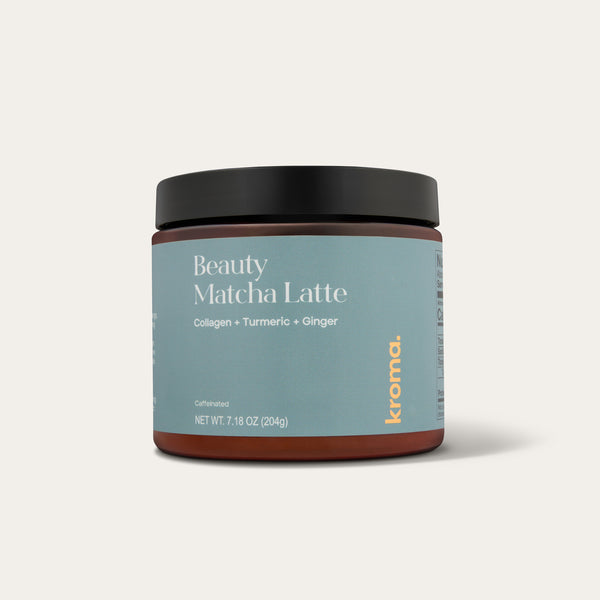
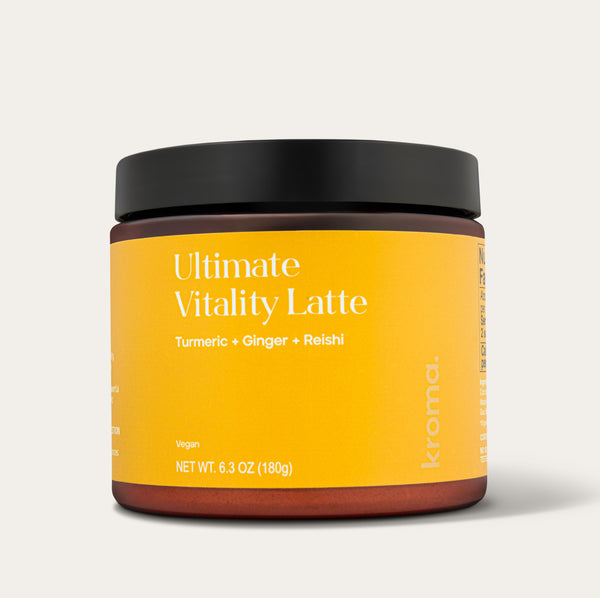
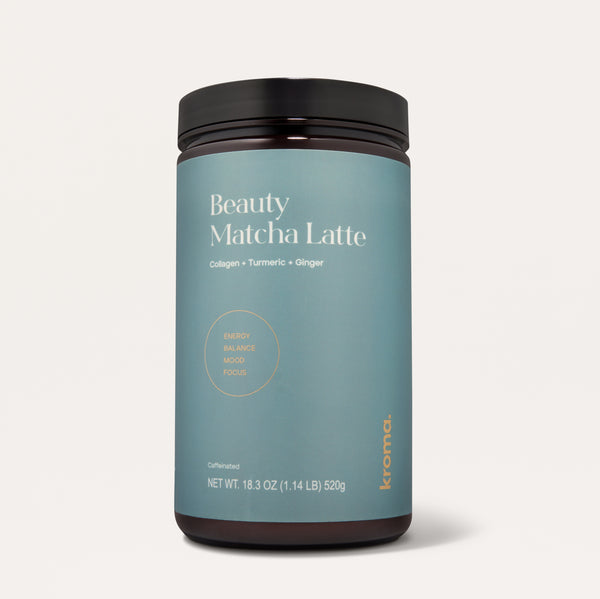
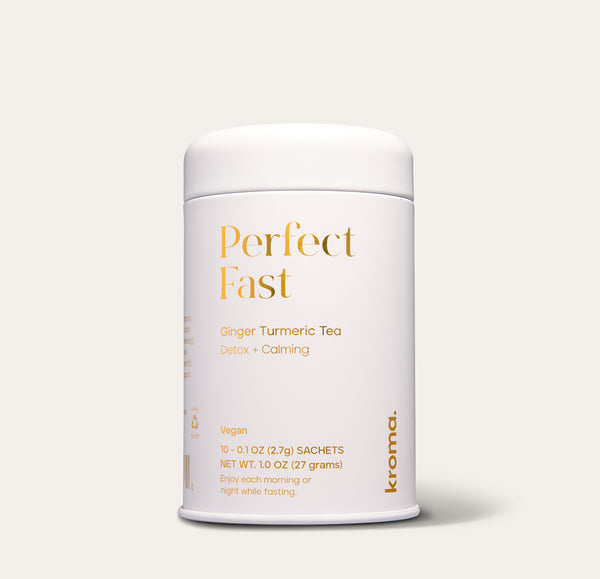
At Kroma Wellness, our adaptogenic lattes combine premium ceremonial-grade matcha or high-quality coffee with functional mushrooms, ensuring you get both immediate benefits and long-term wellness support in every cup.

There are a lot of advantages to mushroom coffee. This coffee option has a smaller caffeine level, so it is beneficial for people who are sensitive to caffeine or don't like feeling jittery after coffee. Mushrooms can add many health benefits, so adding them to something you already consume on a daily basis is an easy way to get an added health boost.
At the end of the day, you may just not like the taste of coffee. If you are in this group, we have other options for you. There are matcha lattes, chai teas, and hot chocolates that add the superfood power of mushrooms, and there are also a variety of superfood and adaptogen lattes.
While mushroom coffee hasn't been around for as long as other products that promote health benefits, its ingredients sure have. The positive health effects of coffee, with the added superfood power of mushrooms, gives you a drink with a ton of health benefits. Mushroom coffee can give you energy, increase cognitive function, prevent and reduce ulcers, and support brain and immune health.
Now that you know mushroom coffee is simply ground coffee beans and ground adaptogenic mushrooms, perhaps you will go out and buy your own to try. Adding mushroom powder to your coffee is an easy way to get added benefits. With all the health benefits working innately without you even knowing, it will leave you feeling energized and ready to take on the day.
At Kroma Wellness, we are all about simplicity; simple ways to get the healthiest, functional, superfood nutrition into your everyday lives.
We offer a 5-Day Reset that brings you easy, non-perishable whole food broths, lattes, smoothies, and more so you can succeed in your health goals.
We loved the idea of adding mushrooms to our morning beverage, so there are adaptogen matcha lattes for every morning. Once your 5-Day Reset is over, you can also order our adaptogen lattes individually to enjoy anytime and keep your wellness journey going!
The benefits of mushroom coffee include immune support, reduced inflammation, sustained energy without jitters, improved focus and memory, stress reduction, and better sleep quality. The combination of coffee's natural caffeine with adaptogenic mushrooms like reishi and cordyceps provides both immediate energy and long-term wellness support.
Reishi benefits include stress reduction, improved sleep quality, immune system support, anti-inflammatory properties, and overall sense of well-being. Reishi mushroom has been used in traditional medicine for thousands of years and is often consumed as reishi mushroom tea or added to coffee blends for its calming, adaptogenic effects.
Reishi side effects are generally mild and uncommon. Some people may experience digestive upset, dry mouth, dizziness, or skin rash when first starting reishi. These effects typically resolve as your body adjusts. People taking blood thinners, immunosuppressants, or those with bleeding disorders should consult their doctor before consuming reishi, as it may interact with certain medications.
Yes, most people can safely drink mushroom coffee daily. The reduced caffeine content (about half of regular coffee) makes it easier on your system, and the adaptogenic mushrooms provide cumulative benefits with consistent use. Start with one cup daily and adjust based on how you feel.
No, mushroom coffee does not taste like mushrooms. The strong coffee flavor overpowers the earthy mushroom notes, and most people describe it as tasting similar to regular coffee with slightly nutty, earthy undertones. The mushrooms' natural ability to absorb surrounding flavors means they blend seamlessly with the coffee.
Reishi mushroom tea is made by steeping dried reishi mushroom slices or powder in hot water without coffee, creating a caffeine-free beverage. It offers the same reishi benefits, stress reduction, sleep support, and immune health, without any caffeine. Mushroom coffee combines coffee with reishi and other mushrooms, providing both caffeine and adaptogenic benefits in one drink.
Yes, mushroom coffee helps with inflammation. Both coffee and adaptogenic mushrooms like reishi and chaga contain powerful anti-inflammatory compounds and antioxidants that reduce oxidative stress and chronic inflammation. Regular consumption may help balance your body's inflammatory response, supporting overall immune health and reducing unnecessary inflammation that can impact long-term wellness.
Mushroom Consumption and Cardiovascular Health: A Systematic Review | PubMed (nih.gov)
Ganoderma lucidum (Lingzhi or Reishi) - Herbal Medicine - NCBI Bookshelf | nih.gov
Traditional uses and medicinal potential of Cordyceps sinensis of Sikkim | nih.gov
Neuronal Health – Can Culinary and Medicinal Mushrooms Help? | nih.gov
Caffeine Has Positive Effect on Memory | Johns Hopkins Medicine
Last Edited: April 02, 2026