

Porridge vs Oatmeal: What's the Difference

Published at: April 23, 2026

Porridge vs Oatmeal: What's the Difference

Do you love a warm bowl of oatmeal full of spices like cinnamon and nutmeg? How about a bowl of warm porridge topped with a drizzle of honey and walnuts? While both sound delicious, have you ever sat and wondered what is porridge vs oatmeal and how these two dishes differ nutrition-wise?

Well, that's just what we did — we've broken down the differences between porridge vs oatmeal so you know the right time for each in your morning routine.


What's Porridge?

Porridge is a dish often served for breakfast, made of any grain or legume cooked down in milk or water. Other ingredients can be added to the porridge to improve the taste and texture, such as spices like cinnamon, a sweetener like maple syrup, and nuts or seeds. 

The first reference to porridge in history books is from China, going back thousands of years. Their grain of choice was rice. Modern Chinese culture still includes a porridge, called congee, which is thought to promote good health and improve digestion thanks to nourishing ingredients like ginger.

While it is called different names, porridge is a popular dish in many cultures. In Russia, porridge is called kasha and made with buckwheat. Buckwheat is a seed from the rhubarb family, but it's treated like a grain, making it a gluten-free porridge option. The Finnish have a dish called ruispuuro, which is made with rye flour. Genfo is a dish from Ethiopia made of barley flour. 

In the United States alone there are many different types of porridge. One popular type is called grits, which you may have eaten tons of if you live in the Midwest or the South, without even realizing it was a type of porridge! This dish is generally made with cornmeal and usually has a creamy consistency. It can be made savory with butter, cheese, and seasonings, or can be made sweet with butter and a sweetener of your choice, like maple syrup. 


Varieties of Porridge

Porridge can be made with a wide variety of grains, seeds, or legumes, offering endless possibilities. Here are some popular varieties:

  • Congee: A rice-based porridge common in Asian cuisine, often served savory with soy sauce, eggs, or chicken.
  • Kasha: A Russian dish made from buckwheat, a gluten-free seed.
  • Polenta: An Italian porridge made from cornmeal, served savory or sweet.
  • Grits: A Southern favorite in the U.S., made from ground corn and often served with butter or cheese.
  • Ruispuuro: A Finnish porridge made from rye flour, offering a tangy flavor.
  • Genfo: An Ethiopian barley flour porridge often served with spiced butter or yogurt.

Each variety brings its unique flavor profile and health benefits, making porridge a truly global dish.


What’s Oatmeal?


Oatmeal is a warm, comforting dish made of oats cooked down in water or milk, and can be served warm or cold. 

Oatmeal and a warm beverage is the perfect breakfast for a cool morning.  It is often consumed as a warm, hearty breakfast but can also be served cold, like in overnight oats.

Oatmeal’s simplicity and versatility make it a staple in many households. It can be sweetened with honey or maple syrup, flavored with spices like cinnamon or nutmeg, and topped with fruits, nuts, or seeds for added nutrition.


Varieties of Oatmeal

Oatmeal comes in several varieties, each offering unique textures and flavors:

  • Steel-Cut Oats: Whole oat groats cut into pieces with a hearty texture and nutty flavor. These take longer to cook but are nutrient-rich.
  • Rolled Oats: Steamed and flattened oats that cook quickly and work well in oatmeal bowls or baked goods.
  • Instant Oats: Pre-cooked and pressed thin, these oats are ready in minutes but may have a softer texture.
  • Whole Oats (Groats): The least processed form, retaining the bran for maximum nutrition. These take the longest to cook.
  • Quick Oats: Smaller pieces of rolled oats that cook faster, great for a smoother texture.
  • Overnight Oats: A no-cook option made by soaking rolled oats in milk or water overnight, perfect for meal prep.

Each type suits different preferences, making oatmeal a versatile breakfast choice.


Is Porridge the Same as Oatmeal?


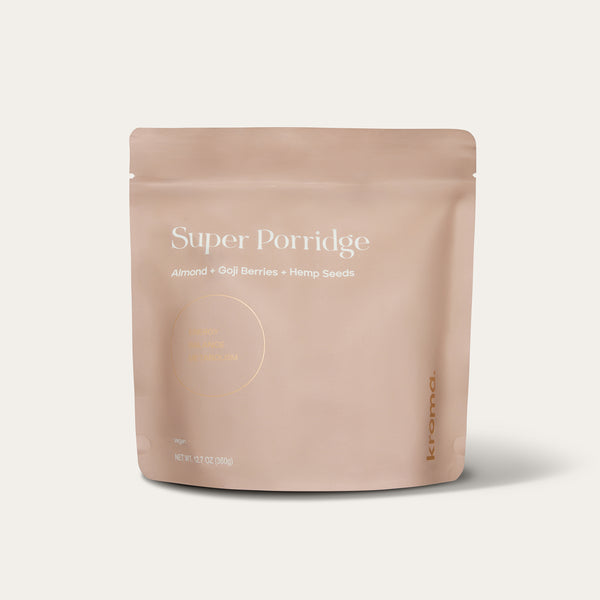
Pouring milk into a bowl of Kroma Super Porridge with almonds, goji berries, and seeds.

The main type of porridge consumed in the United States and Canada is called oatmeal. This distinction often leads to the question, what is porridge vs oatmeal? Simply put, while all oatmeal is porridge, not all porridge is oatmeal, and this is really the only difference.

In other words, oatmeal is a type of porridge, i.e., a porridge made from oats. Other porridges, as mentioned above, can be made from a variety of bases. 

Our porridge includes nuts, seeds, and superfoods to fuel you, whether you’re enjoying your porridge first thing in the morning, as an easy lunch, or as a comforting way to end your day. So, if you’ve ever wondered “is porridge oatmeal”, the answer is yes — oatmeal is a subset of the diverse category of porridge.

When comparing porridge vs oatmeal, the difference comes down to the base ingredient. Porridge is versatile, with countless possibilities for customization, while oatmeal represents just one delicious way to enjoy it.


Porridge vs Oatmeal: Nutrition Comparison

When deciding between porridge and oatmeal for breakfast, understanding the nutritional differences can help you make the best choice. While both provide excellent whole-grain nutrition, the ingredients you add make all the difference.

  • Basic Oatmeal (1 cup cooked): 

    • Calories: 150-170 

    • Protein: 5-6g 

    • Fiber: 4g 

    • Carbs: 27g 

    • Fat: 3g

  • Kroma Super Porridge (1 serving): 

    • Calories: 200 

    • Protein: 8g (from chocho plant protein) 

    • Fiber: 5g (18% daily value) 

    • Carbs: 15g 

    • Fat: 13g (from healthy nuts and seeds) 

    • Plus: Healthy omega fats and antioxidants

The key takeaway: while basic oatmeal provides solid nutrition, enhanced porridge like Kroma's delivers complete meal nutrition with added protein, healthy fats, and functional superfoods.


What Are the Benefits of Eating Porridge?


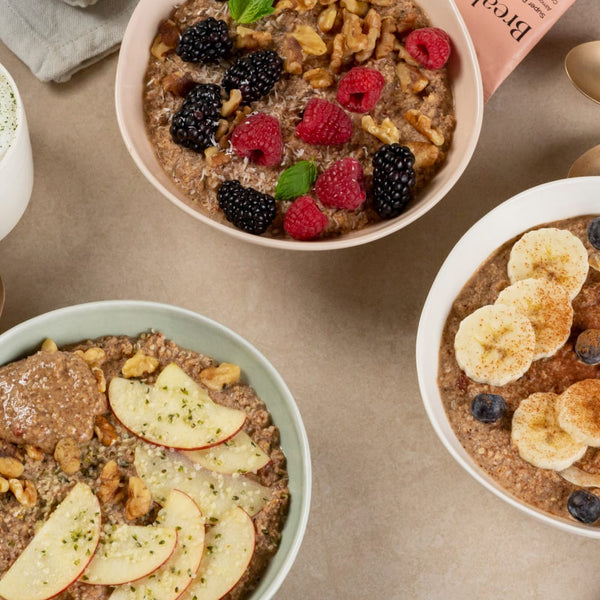
Three bowls of prepared Kroma Super Porridge with various toppings.

Even the simplest porridge can have many health benefits, but when you add in ingredients like nuts, seeds, and a boost of protein from chocho (like in our Super Porridge), the benefits are next-level. 

With the right ingredients, porridge can be full of vitamins, minerals, antioxidants, fiber, and protein. Porridge is simple, unpretentious, satisfying, and packed with nutrients.

Here are some specific ways porridge can benefit health: 


Fuels You With Healthy Fats

There are two types of healthy fats, monounsaturated fats and polyunsaturated fats, which are both found in nuts and seeds. These fats support healthy cholesterol levels, reduce inflammation, and benefit heart health. Adding nuts and seeds, such as sunflower seeds, almonds, hemp seeds, pecans, walnuts, and flax, provides these health benefits and enhances the taste and texture of the porridge. These healthy fats are also essential for hormone production, vitamin absorption, and sustained energy throughout your day.


Packed With Fiber


Whole grains, specifically oats, are incredibly high in fiber. Fiber is extremely important for the health of the gut. Not only does 
fiber support healthy digestion, but it also contributes to the health of the gut microbiome with special fibers called prebiotics. Prebiotics are fibers that provide food for the good bacteria in the gut.

A diet high in fiber can help maintain healthy cholesterol levels, aid metabolic function, and support weight management. Learn more about how fiber supports gut health and overall wellness.


Helps Ignite Your Metabolism


Your body burns twice the amount of calories when digesting whole grains than when digesting processed foods. Eating porridge for breakfast can help jumpstart your metabolism — it takes a long time to digest all the fiber in oatmeal. 

During digestion, oatmeal turns into energy. This energy is slowly released over a few hours, instead of spiking you with energy all at once. Not only are you burning calories, but it leaves you feeling full longer and provides you with energy to get you through your busy day. 


Provides Complete Plant Protein

Unlike most traditional oatmeal that contains only 5-6g of incomplete protein, Kroma Super Porridge delivers 12g of complete plant protein from chocho (also called tarwi). Chocho is a South American superfood that contains all nine essential amino acids your body needs for muscle repair, hormone production, and sustained satiety.


This complete protein profile means you're getting nearly double the protein with better amino acid balance, making it an ideal post-workout meal or high-protein breakfast that keeps you full for hours without needing to add extra protein powder or eggs.


Deliciously Customizable

A prepared bowl of Kroma Super Porridge next to a mug of Kroma Beauty Matcha Latte.

With porridge, the sky's the limit when it comes to flavors. Whether you like sweet or savory foods, there is an option for you. 

You can make a dessert porridge with oats, chocolate chips, and bananas. Or, you can go savory with brown rice congee made with tamari (which is gluten-free), mushrooms, and green onions.

You can also make a breakfast porridge loaded with fresh berries and nuts.

Either way, porridge can fit anyone's taste preferences, and even though it is often eaten at breakfast, it can be a great meal for any time of day.


How To Make Porridge


Making porridge is quick and easy. Here's how:

  1. Choose your grain or legume base. Oats, rice, quinoa, or cornmeal are common choices.
  2. Measure your ingredients. Use a ratio of 1 part grain to 2 parts liquid (milk, water, or a mix of both).
  3. Cook the base. Heat your liquid in a pot, add the grain, and stir occasionally over medium heat until it thickens.
  4. Enhance the flavor. Add spices like cinnamon, sweeteners like honey, and toppings like nuts or fruits.
  5. Serve and enjoy. Adjust the consistency to your preference by adding more liquid if needed.

For a simpler option, Kroma Super Porridge comes pre-portioned with added superfoods. Just add hot water or milk, stir, and enjoy a nutritious meal in minutes!


The Bottom Line

A Kroma 5-Day Deluxe Reset alongside a spread of food and accessories from the Reset.

Is porridge oatmeal? Porridge and oatmeal, while oftentimes used interchangeably, are not exactly the same but also not too different. Traditional porridge is made by cooking down grains or legumes, and oatmeal is just a specific type of porridge. 

This humble food has many different names and ingredients throughout different cultures, but one thing remains the same — starting your day off with this comforting and often nourishing breakfast dish can bring you many health benefits, like energy that lasts through the day and fiber to keep your gut healthy. 

At Kroma Wellness, we are all about offering healthy, whole-food options, in an easy, convenient way. That is why our Super Porridge is individually packed into one serving for each day of our 5-Day Reset Program, along with tons of other easy-to-prepare superfoods that can help you reshape how your nutrition fuels holistic wellness.


FAQs About Porridge and Oatmeal


Porridge and oatmeal are beloved breakfast staples, but many people still have questions about their differences, benefits, and preparation. 

To help clarify, we’ve compiled answers to some of the most common questions, so you can better understand these comforting and nutritious meals. 

Whether you’re wondering what is porridge vs oatmeal, is porridge the same as oatmeal, or exploring the health benefits, we’ve got you covered!


What is porridge made of?


Porridge is made by cooking grains, seeds, or legumes in water or milk until they reach a creamy consistency. Common bases include oats, rice, cornmeal, buckwheat, barley, or rye.

Ingredients like spices, sweeteners (honey or maple syrup), nuts, seeds, and fruits are often added to enhance flavor and nutrition. Whether you’re exploring what is porridge vs oatmeal, porridge’s versatility makes it a breakfast favorite worldwide.


Is porridge the healthiest breakfast?


Yes, porridge is considered one of the healthiest breakfast options! It’s packed with fiber, which supports digestion and gut health, and can include healthy fats from nuts and seeds. 

When prepared with whole grains like oats, it provides slow-releasing energy to keep you full for hours.

Porridge's ability to be customized with superfoods, protein, and vitamins makes it a top contender for fueling your morning.
 

What's the main difference between porridge and oatmeal?

The key difference is that porridge is a broad category, while oatmeal is one specific type. All oatmeal is porridge, but not all porridge is oatmeal.

Porridge can be made from any grain or legume — rice (congee), cornmeal (polenta), buckwheat (kasha), barley, or quinoa. Oatmeal specifically refers to porridge made only from oats.

In terms of nutrition, both offer similar health benefits when made with whole grains, but enhanced porridges with added protein, nuts, and seeds (like Kroma Super Porridge) provide more complete nutrition than basic oatmeal.


Is porridge good for weight loss?

Yes, porridge can be an excellent food for weight loss when prepared thoughtfully. The high fiber content keeps you satisfied longer, which naturally reduces overall calorie intake throughout the day and prevents snacking.

Porridge made with steel-cut or rolled oats provides complex carbohydrates that stabilize blood sugar levels and prevent the energy crashes that lead to cravings. Adding protein boosts satiety even further. Kroma Super Porridge with 12g of protein per serving keeps you full significantly longer than traditional oatmeal.

The key is avoiding added sugars and instead using fresh fruit, nuts, and seeds for natural sweetness and added nutrition.


Can I eat porridge every day?

Absolutely! Eating porridge daily is a healthy habit that provides consistent fiber, B vitamins, minerals, and sustained energy. The key to daily porridge is variety and balance.

Try rotating between different grain bases (oats, quinoa, buckwheat), varying your toppings (berries, nuts, seeds, nut butter), and ensuring adequate protein either from the porridge itself or toppings like Greek yogurt or eggs.


Last Edited: May 20, 2026

Shop The Story

Frequently Asked Questions

Is porridge the same as oatmeal?

Not quite — while all oatmeal is porridge, not all porridge is oatmeal. Oatmeal is specifically made from oats, while porridge is any grain or legume cooked in liquid.

What's the difference between porridge and oatmeal?

Oatmeal is one type of porridge made from oats. Porridge is the broader category and includes grits, polenta, congee, kasha, and dozens of other grain-based dishes.

What kinds of porridge are there besides oatmeal?

Congee (rice-based, common across Asia), polenta and grits (cornmeal), kasha (buckwheat, naturally gluten-free), and Ethiopian genfo (barley flour) are all traditional porridges eaten globally.

Is porridge healthier than oatmeal?

Porridge can be more nutritionally dense than plain oatmeal when it includes a mix of grains, nuts, and seeds. A typical bowl of cooked oatmeal has 150-170 calories and 5-6g protein, while a heartier porridge blend like Kroma's Super Porridge can deliver 8g+ protein and healthy fats.

What are the health benefits of eating porridge?

Porridge is a high-fiber meal that supports digestion, feeds beneficial gut bacteria, and provides slow-releasing complex carbs for steady energy. Mixed-grain versions also deliver healthy fats from added nuts and seeds.