When most people think about protein, they think muscle, body composition, or post-workout recovery.
What they don’t think about is their brain.
That’s a problem because your brain is one of the most nutritionally demanding organs in your body. Despite making up only a small percentage of your body weight, it consumes roughly 20% of your daily energy. Every thought, memory, decision, and emotional response depends on a constant supply of nutrients to function properly.
What Low Protein Can Look Like in Everyday Life
When protein intake is too low, the signs aren't always obvious. Instead, they often appear as symptoms many women attribute to stress or a busy lifestyle, such as brain fog, difficulty concentrating, afternoon energy crashes, mood swings, increased stress sensitivity, and poor sleep quality. Because protein plays a critical role in neurotransmitter production, blood sugar balance, and cognitive function, inadequate intake can directly affect mental energy and brain health. Here's how getting enough high-quality protein supports focus, mood, resilience, and long-term cognitive performance.
Why Your Brain Needs Protein
When people think about brain fuel, they usually think about carbohydrates. And while the brain relies on glucose for energy, that’s only part of the story.
Protein is what helps the brain function.
Every thought, memory, decision, and emotional response depends on billions of neurons communicating with one another. Those conversations are driven by neurotransmitters—the chemical messengers responsible for mood, focus, motivation, learning, stress resilience, and sleep quality.
The catch? Neurotransmitters are made from amino acids, the building blocks of protein.
Without adequate protein intake, the body has fewer resources available to produce the compounds that help support cognitive performance and emotional well-being. Over time, this can contribute to brain fog, difficulty concentrating, low energy, increased stress sensitivity, and disrupted sleep.
Protein also helps support stable blood sugar levels, providing the brain with a more consistent source of energy throughout the day. Instead of the highs and lows that can leave you feeling distracted, fatigued, or reaching for another cup of coffee, adequate protein helps promote sustained mental clarity and focus.
The impact goes far beyond physical health.
Protein influences how you think, how you feel, how you handle stress, and how well your brain performs over time.
That’s why getting enough protein isn’t just about supporting your muscles.
It’s one of the most important things you can do to support your brain.
5 Ways Protein Supports Mental Energy & Brain Health
1. It Builds the Neurotransmitters That Drive Mood, Focus, and Motivation
Many of the brain chemicals responsible for how you think and feel are built directly from amino acids found in dietary protein.
Dopamine helps regulate motivation, focus, and reward. Serotonin supports mood, emotional well-being, and healthy sleep patterns. Norepinephrine influences attention, alertness, and the body’s response to stress.
Without an adequate supply of amino acids, the body has fewer building blocks available to produce these critical compounds efficiently. This helps explain why periods of under-eating or chronically low protein intake can leave people feeling mentally sluggish, emotionally depleted, or unable to focus. The brain simply doesn’t have the nutritional resources it needs to perform at its best.
Protein won’t solve every mood challenge, but it provides the foundation upon which healthy neurotransmitter production depends.
2. It Stabilizes Blood Sugar and Sustains Mental Energy
The brain relies on a constant supply of glucose to function effectively.The problem isn’t glucose itself, it’s the dramatic blood sugar spikes and crashes that can occur when meals are built primarily around refined carbohydrates.
Those fluctuations often show up as fatigue, brain fog, irritability, cravings, and difficulty concentrating.Protein helps slow digestion and the absorption of carbohydrates, creating a steadier release of energy into the bloodstream. This allows the brain to access a more consistent fuel supply throughout the day.
The result?
Fewer afternoon crashes. Better concentration. More stable energy. And less reliance on caffeine or sugar to make it through the day.
3. It Supports Stress Resilience
Stress is unavoidable. What matters is how well your body is equipped to respond to it.
Protein provides amino acids that support the production of neurotransmitters involved in emotional regulation and nervous system function. It also helps provide the raw materials the body needs to maintain healthy physiological responses during periods of physical and emotional stress.
When protein intake is consistently low, your body’s ability to adapt to stressors may be compromised.
Protein won’t eliminate stressful situations. But it helps ensure your nervous system has the nutritional support it needs to handle them more effectively.
4. It Helps Protect Cognitive Function Over Time
Brain health isn’t just about how you feel today. It’s also about how your brain performs years from now. While the brain is composed largely of fat, many of the structures that allow neurons to communicate, including enzymes, receptors, and transport proteins, depend on amino acids.
These proteins help support learning, memory, communication between brain cells, and neuroplasticity, the brain’s ability to adapt and form new neural connections throughout life.
Adequate protein intake helps provide the building blocks necessary to maintain these processes over time. Supporting brain health today is an investment in future cognitive resilience.
5. It Supports Better Sleep
Sleep affects virtually every aspect of cognitive performance. Memory consolidation. Emotional regulation. Learning. Focus. Stress management. All of it depends on getting quality sleep.
One of the amino acids found in protein is tryptophan, which serves as a precursor to both serotonin and melatonin. Serotonin helps regulate mood, while melatonin helps govern the body’s natural sleep-wake cycle.
Without sufficient dietary protein, the body may have fewer resources available to support the production of these important compounds.
Poor sleep can amplify every symptom associated with inadequate protein intake, from brain fog and fatigue to increased stress and reduced mental performance.
In many ways, sleep and protein work together to support optimal brain function.
5 Ways Kroma Helps Fuel Your Brain
Knowing protein matters is one thing. Actually getting enough of it consistently is another.
That’s where simple, protein-forward rituals can make all the difference.

1. The 5-Day Reset
The fastest way to experience the cognitive benefits of consistent protein intake is to intentionally spend several days eating that way.
With approximately 100 grams of protein per day, the Kroma's 5-Day Reset provides meaningful protein alongside fiber-rich, blood-sugar-balancing nutrition designed to support sustained energy and mental clarity.
Instead of guessing your way through meal planning, it creates a structured framework that helps fuel both body and brain.
2. Beauty Matcha
Your morning ritual may have a bigger impact on your brain than you realize. Kroma's
Beauty Matcha combines 12 grams of grass-fed collagen protein with ceremonial-grade matcha for a combination that supports both focus and sustained energy.
The naturally occurring L-theanine in matcha works alongside protein’s neurotransmitter-supporting amino acids to promote calm alertness without the jittery highs and crashes commonly associated with coffee.
3. Super Porridge
A better morning starts with a better breakfast. Kroma's Super Porridge delivers high-quality protein alongside omega-rich ingredients that help support both physical and mental performance.
Designed to provide steady energy rather than a quick spike, it helps create the kind of breakfast that keeps you feeling focused, satisfied, and energized long after your first meal of the day.
4. 24K Bone Broth
Sometimes the simplest nutrition solutions are the most effective. Kroma's 24K Bone Broth is a convenient source of collagen-rich protein that can be enjoyed as a nourishing snack, afternoon pick-me-up, or addition to your daily routine.
Rich in protein and naturally occurring minerals, it’s an easy way to support your protein goals while providing comforting, satisfying nourishment.
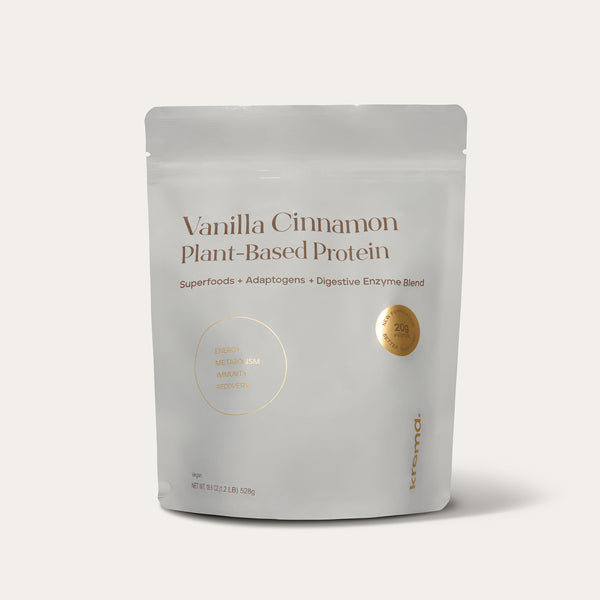
5. Plant-Based Protein Powder
What if your protein shake could support more than just your muscles?
Kroma's Plant-Based Protein Powder delivers 20 grams of clean protein in every serving, helping you meet your daily protein targets with minimal effort.
For those navigating appetite changes, including individuals on a GLP-1 journey, it offers a convenient way to support consistent protein intake. And because protein contributes to healthy neurotransmitter production and sleep-supportive pathways, getting enough throughout the day may help support better recovery and more restorative rest at night.
Feed Your Brain What It Needs
Protein does more than support muscle; it plays a vital role in brain health, mental energy, focus, mood, stress resilience, and sleep quality. By providing the amino acids needed to produce key neurotransmitters, protein helps fuel cognitive function and support long-term brain performance.
The good news? Supporting your brain doesn't have to be complicated. Consistently prioritizing high-quality protein through balanced meals, protein-rich breakfasts, and nutrient-dense snacks can help promote steady energy, mental clarity, and overall well-being. Because when your brain gets the nutrients it needs, everything from focus and productivity to mood and recovery works better.Sourceshttps://nutritionsource.hsph.harvard.edu/protein/
Last Edited: June 10, 2026