This isn't a personal failing. It's physiology. And once you understand it, you can work with it.

Why Protein Becomes Your Most Powerful Nutritional Tool After 40
Here's what's happening in your body during perimenopause: estrogen, the hormone that has quietly been helping protect your muscle mass for decades, begins to decline. And as it does, your body becomes less efficient at using the protein you eat to build and maintain muscle.
Current research suggests women in perimenopause and postmenopause need 1.2 to 1.6 grams of protein per kilogram of body weight per day — a meaningful step up from general recommendations. Most women are getting far less.
Here's why this matters so deeply:
Muscle Mass and Metabolism
After 40, women can lose 3–8% of muscle mass per decade, a process called sarcopenia. Muscle is metabolically active tissue: more of it means a higher resting metabolism, better blood sugar regulation, and more energy throughout your day. Adequate protein is the primary dietary lever you have to slow muscle loss and support the muscle you're still building. The connection between protein and muscle loss in women is one of the most well-established findings in nutritional research and one of the most overlooked in everyday practice.
Bone Density
Protein makes up roughly 50% of bone volume. As estrogen declines, bone loss accelerates, and protein, working alongside calcium and collagen, plays a direct role in maintaining bone strength during this vulnerable window. Protein for bone density isn't a secondary consideration; it's foundational.
Body Composition and Hormonal Weight Gain
Many women notice weight shifting to the midsection during perimenopause, even without changes in their diet or exercise habits. This is partly hormonal, but protein has a direct moderating effect. Higher protein intake supports metabolic health, helps regulate hunger hormones like ghrelin and leptin, and makes it significantly easier to maintain a healthy body composition even as estrogen fluctuates.
Mood, Brain Fog, and Cognitive Clarity
This one surprises people. Protein is the raw material for neurotransmitters like serotonin, dopamine, and GABA. When protein and hormones are both in flux, as they are during perimenopause, the brain pays a price. The mental fog, mood instability, and anxiety so many women experience during this transition are, in part, a nutritional story. Adequate protein intake is one piece of a larger solution.
Skin, Hair, Joints, and Connective Tissue
Collagen, the most abundant protein in the human body, declines significantly as estrogen levels decline. The effects are visible in skin elasticity and hair thickness, but collagen's role extends much deeper: joint comfort, gut lining integrity, and bone matrix all depend on it. This is where collagen, as a specific form of protein, becomes especially relevant for women navigating perimenopause.
The short version: protein is not a fitness supplement for this season of life. It is a foundational pillar of your health.
Signs You're Not Getting Enough Protein in Perimenopause

The signs of low protein intake during perimenopause are easy to misread as "just getting older" or "just stress." They are worth taking seriously:
Constant hunger after meals. Protein is the most satiating macronutrient. When intake is low, hunger returns quickly, and cravings, especially for sugar, intensify as your body hunts for fast fuel.
Persistent fatigue that sleep doesn't fix. Without adequate amino acids, the neurotransmitters that regulate energy and mood can't be produced efficiently. Fatigue that feels biochemical because it is a common and underrecognized sign of protein deficiency in perimenopausal women.
Soft or declining muscle tone despite exercise. If your body doesn't have enough protein available to repair and rebuild after movement, exercise stops delivering the results it used to. This is anabolic resistance in action.
Thinning hair, brittle nails, skin that's lost its resilience. These structural proteins are among the first things your body deprioritizes when intake is low. Hair and skin changes in perimenopause are hormonal, but they're also nutritional.
Worsening brain fog and difficulty concentrating. The link between protein and cognitive function runs through neurotransmitter production. When amino acid availability is low, mental clarity takes a measurable hit.
Blood sugar swings and afternoon energy crashes. Protein slows the absorption of carbohydrates. Without it, blood sugar spikes and drops more dramatically, creating the energy rollercoaster that defines so many perimenopausal afternoons.
What Creates the Protein Gap — and Why Most Women Have One
Understanding why protein intake tends to fall short is the first step toward fixing it.
Carb-heavy breakfast habits. Toast, cereal, granola, and fruit, the defaults of most morning routines, contribute very little protein. Starting the day without meaningful protein sets up blood sugar instability and cravings that follow you for hours. For perimenopausal women, this is particularly disruptive.
Snacks that don't pull their weight. Crackers, fruit, and trail mix are ubiquitous and almost entirely carbohydrate and fat. When snacks contribute nothing to daily protein intake, the gap widens even when main meals look reasonable on paper.
Under-eating during weight management efforts. Low-calorie approaches almost always sacrifice protein. This accelerates protein and muscle loss, slows metabolism, and ultimately makes weight management harder over time, precisely the opposite of the intended effect. Protecting protein intake while managing calories is non-negotiable for perimenopausal women.
Not accounting for increased needs. Many women still use the general adult protein recommendations without adjusting for the specific demands of perimenopause. Those numbers were never designed for women navigating hormonal transition, anabolic resistance, and accelerating bone and muscle loss simultaneously.
How to Naturally Close the Protein Gap: Practical Strategies That Work
The good news: meaningful change doesn't require an overhaul. Strategic, consistent shifts deliver real results.
Anchor Every Meal Around Protein First
Build your plate around a protein source, then add vegetables, healthy fats, and complex carbohydrates around it. Aiming for 25–40 grams of protein per meal distributes your intake evenly and maximizes the body's ability to use it. The research on protein distribution is detailed: spacing it throughout the day matters as much as the total.
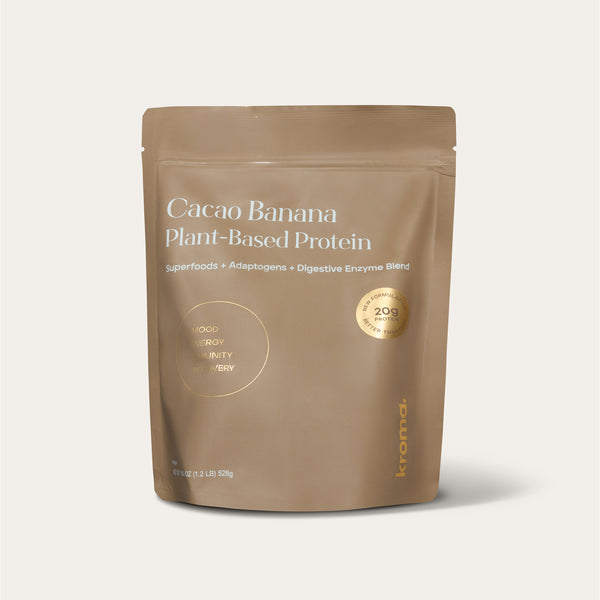
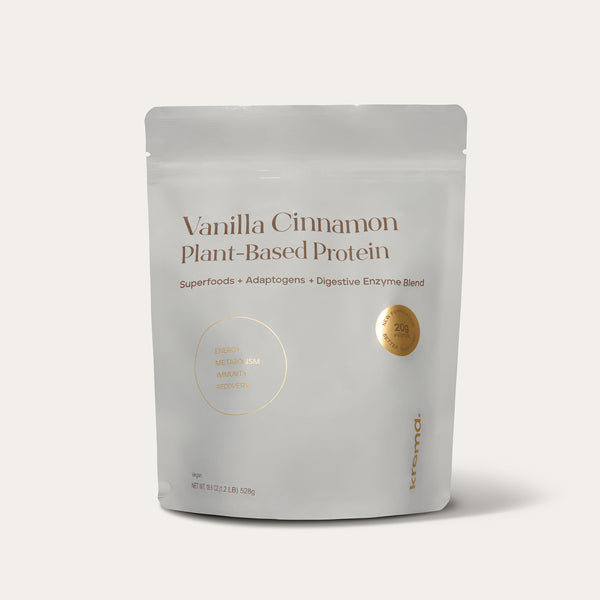
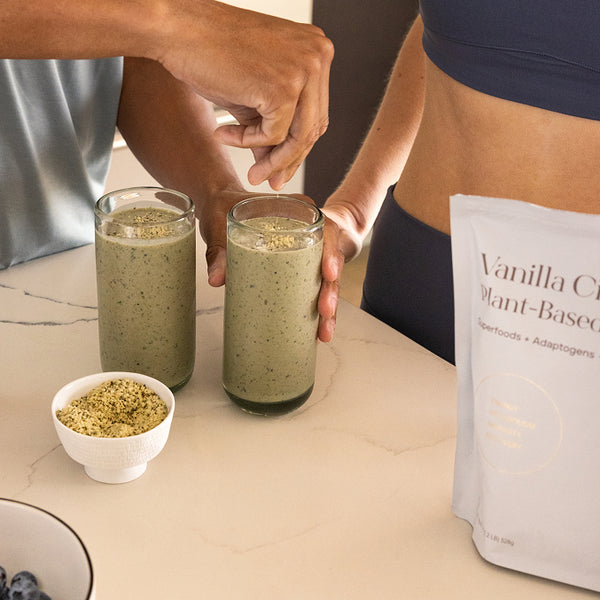
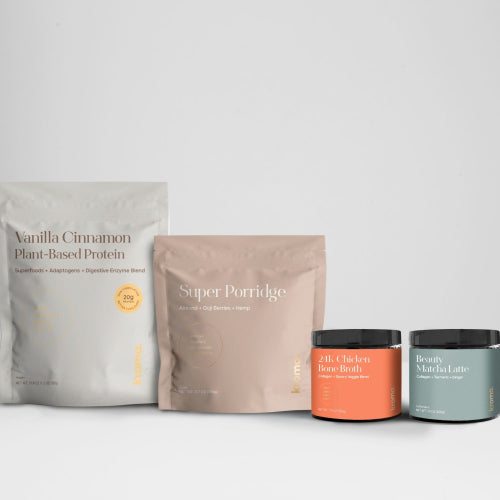
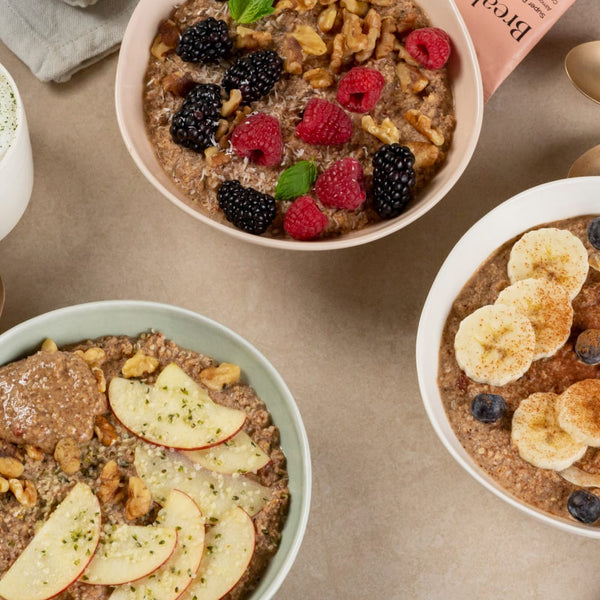
Kroma tip: Starting the day with a high-protein option like Super Porridge or a protein smoothie made with Plant-Based Protein is one of the highest-leverage habits a perimenopausal woman can build. It stabilizes blood sugar from the first meal and makes hitting your daily target significantly more achievable.
Make Every Snack Count
Treat snacks as protein opportunities, not fillers. A snack with 10–15 grams of protein, Greek yogurt, hard-boiled eggs, edamame, or a clean protein supplement bridges the gap between meals, stabilizes blood sugar, and contributes meaningfully to your daily total.
Prioritize Collagen-Specific Protein
For perimenopausal and postmenopausal women, collagen protein deserves special attention alongside whole food sources. Collagen peptide research specifically in postmenopausal women has shown improvements in skin elasticity, joint comfort, and bone mineral density, all areas directly affected by estrogen decline.
Kroma tip: Kroma's Bone Broth is rich in collagen protein, glycine, proline, and essential minerals, exactly the amino acid profile that supports bones, joints, gut lining, and skin. It's slow-simmered from high-quality bones with no fillers, making it one of the most bioavailable and targeted protein sources for this season of life.
Add Protein to Your Morning Ritual
One of the simplest ways to meaningfully increase collagen protein intake without disrupting your routine is to build it into something you're already doing.
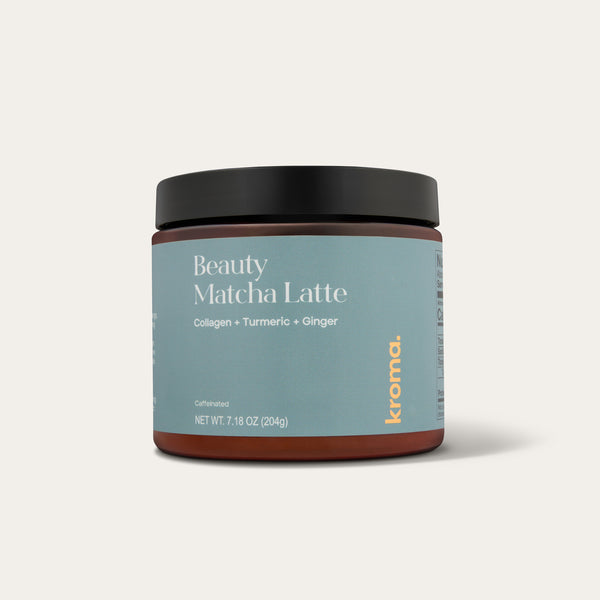
Kroma tip: Beauty Matcha is formulated with collagen peptides alongside ceremonial-grade matcha, meaning your morning cup is delivering targeted protein to skin, hair, joints, and connective tissue. The L-theanine in matcha also provides calm, focused energy without the cortisol spike of coffee, which is particularly welcome when the perimenopausal nervous system is already stretched thin.
Support the Gut That Has to Absorb It
How much protein you eat is only part of the equation. How well your gut absorbs it is the other. A compromised gut lining or disrupted microbiome reduces the body's ability to break down and utilize amino acids, meaning your protein intake on paper may be higher than what your body actually receives.
Gut integrity and protein absorption are directly linked, making gut support a meaningful lever for closing the protein gap.
Kroma tip: Kroma's Super Core, dairy-free colostrum, supports gut lining integrity and digestive function, creating the absorptive foundation that makes every gram of protein you eat work harder.
The Role of a Structured Program

Sometimes the most useful thing isn't a single change, it's a reset that removes the variables obscuring how good you can feel.
Kroma tip: The 5 Day Reset was designed to give your body everything it needs in one structured program: anti-inflammatory nutrition, gut support, blood sugar balance, and meaningful protein at every turn. For perimenopausal women, this program is particularly powerful because it also eliminates the dietary inputs that tend to amplify hormonal symptoms, refined sugar, inflammatory oils, and processed foods, and replaces them with whole, functional ingredients that help the body recalibrate. Many women emerge from the Reset sleeping better, thinking more clearly, and feeling lighter in ways that go well beyond the physical.
Move Intentionally to Amplify the Effect
Resistance training is the most effective stimulus for muscle protein synthesis. Combined with adequate protein intake, it is the single most powerful tool available for reversing muscle loss at any age. The high-protein diet benefits compound dramatically when paired with regular strength training and adequate recovery.
This Is Not a Decline
Perimenopause is not a decline. It is a transition one that asks you to pay closer attention to your body and give it more of what it truly needs.
The fatigue that follows you despite a full night's sleep. The muscle that quietly fades. The weight that shifts without explanation. The mind that doesn't feel quite like yours anymore. These aren't inevitable features of getting older; they are signals. And protein is one of the most powerful, evidence-backed ways to answer them.
We've made that as simple, delicious, and clean as we possibly can. A morning broth. A matcha ritual. A five-day program that puts it all together. Not dramatic interventions, just the nutritional foundation that strength, clarity, and long-term health are actually built on.
The gap between where your protein intake is and where it needs to be is smaller than it probably feels. And the difference it makes is larger than you'd expect.
You deserve to feel strong, clear, and vibrant in this chapter. We're here to help you do exactly that. At Kroma Wellness, every product is formulated to nourish deeply with ingredients your body can actually use, in forms that fit into real life because you deserve to feel strong, clear, and vibrant in this chapter.
With love, The Kroma Team
P.S. Not sure where to start? The 5 Day Reset is the easiest way to experience the full Kroma system, and many of our perimenopausal customers say it's the thing that finally helped everything click.