
Why You're Thirstier Than Usual This Summer (It's Not Just the Heat)
Published at: September 09, 2026
Published at: September 09, 2026

Quick answer: Summer heat can increase fluid loss because your body sweats more to regulate temperature. If you are sweating heavily or for several hours, you may also lose electrolytes such as sodium and potassium. For everyday hydration, plain water is usually enough. Electrolytes can be helpful when fluid and electrolyte losses are higher, including prolonged exercise, heavy sweating, or certain illnesses. GLP-1 medications can also increase dehydration risk when side effects such as nausea, vomiting, or diarrhea occur, while hormonal changes during perimenopause and menopause can affect fluid regulation.
If you've been feeling thirstier, more fatigued, or foggier than usual this summer despite drinking plenty of water, there may be more going on than simply needing another glass of water.
Heat exposure, physical activity, reduced food and fluid intake, medications, and hormonal changes can all influence hydration.
Electrolytes are minerals that carry an electrical charge when dissolved in body fluids. The main electrolytes include sodium, potassium, magnesium, calcium, and chloride.
They help regulate fluid balance and support essential functions such as nerve signaling, muscle contraction, and normal cellular activity.
When you sweat, you lose both water and electrolytes. The amount varies depending on factors such as temperature, humidity, activity level, sweat rate, and individual physiology.
This is where electrolytes can become useful. Plain water replaces fluid, while an electrolyte-containing drink can also help replace some of the sodium and other minerals lost through prolonged or heavy sweating.
However, electrolytes are not necessary for everyone, every day. For most people, water and a balanced diet provide adequate hydration and electrolytes during normal daily activities.
As temperatures rise, your body produces sweat to help regulate its internal temperature. When sweat evaporates, it cools the skin, but you also lose water and electrolytes.
The longer and more intensely you sweat, the greater your fluid needs may become.
This matters particularly during outdoor workouts, long walks, travel, outdoor events, or extended exposure to hot and humid conditions.
If you're taking a GLP-1 medication, changes in appetite and food intake may make it easier to consume less fluid and fewer water-rich foods.
More importantly, some GLP-1 medications can cause gastrointestinal side effects such as nausea, vomiting, and diarrhea. These symptoms can lead to significant fluid loss and increase the risk of dehydration. The FDA specifically warns about volume depletion and kidney injury associated with dehydration from gastrointestinal adverse reactions with semaglutide.
If you're taking a GLP-1 medication and experiencing persistent vomiting or diarrhea, difficulty keeping fluids down, dizziness, or other signs of dehydration, contact your healthcare professional.
Hormonal changes during perimenopause and menopause can influence the systems involved in regulating body water and electrolytes.
Estrogen and progesterone interact with mechanisms that regulate fluid balance, thirst, sodium, and water retention. Research suggests that reproductive hormones can influence fluid regulation and thermoregulation, although the relationship is complex and varies between individuals.
That means changes in how you respond to heat or hydration during the menopause transition may not always be explained by temperature alone.
However, persistent thirst or fatigue should not automatically be attributed to perimenopause. Dehydration, medications, sleep, nutrition, diabetes, and other health conditions can also cause similar symptoms.
Common signs associated with dehydration can include:
Increased thirst
Darker urine or urinating less frequently
Fatigue or weakness
Headache
Dizziness or lightheadedness
Muscle cramps after heavy sweating
Difficulty concentrating
Thirst and urine color can provide useful everyday clues, although they are not perfect measures of hydration.
If you experience confusion, fainting, severe weakness, inability to keep fluids down, or symptoms of heat illness, seek medical attention promptly.
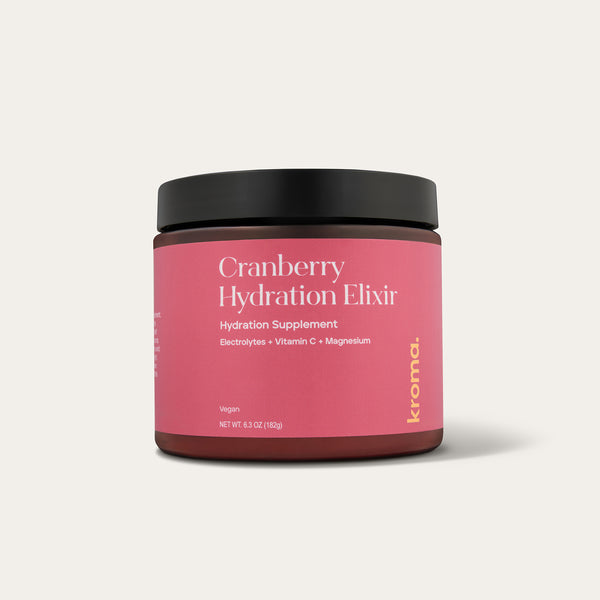
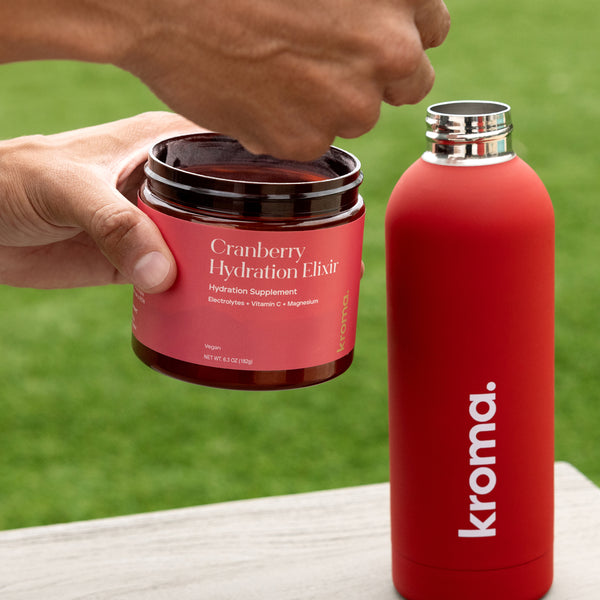
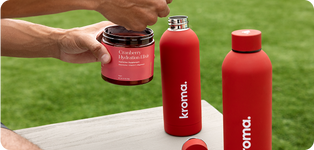
Kroma's Cranberry Hydration Elixir offers a light, refreshing way to restore electrolytes without added sugar — the difference between simply "drinking water" and actually rehydrating. It combines organic coconut water, marine minerals rich in magnesium, and Himalayan pink salt for a clean electrolyte blend, plus ginger and cayenne for an added metabolism boost.

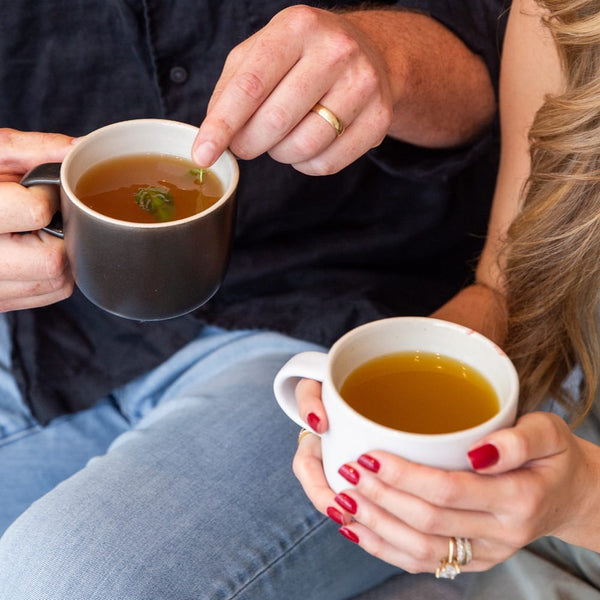
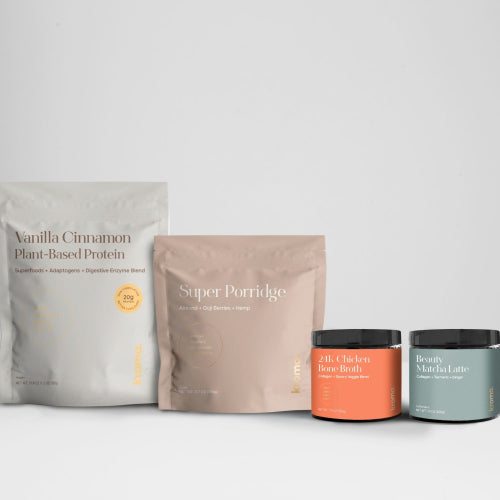
Protein needs hydration too — and hydration goes further when protein comes along with it. Kroma's Bone Broths are mixed with water, making them an easy way to get protein in while hydrating at the same time. Sip slowly throughout the day to keep hydration, electrolyte, and protein levels up together, with 12- 15 g of protein per serving depending on the variety.

Your body is roughly 60% water, and that water isn't just background maintenance — it's actively involved in nearly everything your body does. A few of the ways hydration shows up beyond simple thirst:
Temperature regulation. Sweating is your body's built-in cooling system, which is exactly why staying hydrated matters more, not less, after a workout or a poolside afternoon — you're actively replacing what your body is using to keep you cool.
Immune function. Adequate hydration helps carry nutrients and immune cells to the parts of the body that need them most, which matters even more when your days are already stretched thin between work, family, and everything in between.
Joint comfort. Your joints rely on water for cushioning. When fluid intake falls short, the body pulls water from other areas to compensate — a trade-off that becomes more noticeable with age.
Cellular energy. Water is what transports nutrients into your cells, where they're converted into usable energy. Hydration at the cellular level is a big part of what separates steady, all-day energy from an afternoon crash.
Organ function. Staying hydrated supports your body's ability to flush toxins and properly digest food, while also cushioning and protecting organs — including the brain.
Mood and focus. Dehydration and hunger can feel remarkably similar — both can leave you irritable, foggy, or "hangry." If your water bottle's been sitting full for a while, that alone might be worth a second look.
This is exactly why hydration is about more than water intake alone — it's why pairing water with real electrolytes, like in Kroma's Cranberry Hydration Elixir, does more for how you actually feel than water by itself.
Morning: Start the day replenished with Kroma's Cranberry Hydration Elixir.
Midday: Sip Kroma's Bone Broth mixed with extra water, slowly, over the course of the afternoon.
Ongoing: Both travel well — pack them for the beach, the gym, work, or wherever summer takes you.
Feeling thirstier or more depleted during summer can have several causes.
Heat and sweating increase fluid loss, while prolonged sweating can also increase electrolyte losses. GLP-1 medications can contribute to dehydration risk, particularly when nausea, vomiting, or diarrhea occur. Hormonal changes during perimenopause and menopause can also influence the body's fluid-regulation systems.
Water should remain the foundation of everyday hydration. When fluid and electrolyte losses are higher, an electrolyte-containing drink can be a useful addition.
If you're also eating less, make adequate nutrition and protein part of the solution rather than relying on hydration products alone.
https://www.cdc.gov/heat-health/hcp/clinical-overview/heat-and-people-with-cardiovascular-disease.html
https://www.accessdata.fda.gov/drugsatfda_docs/label/2026/218316s004lbl.pdf
https://pubmed.ncbi.nlm.nih.gov/31641955/
https://pubmed.ncbi.nlm.nih.gov/24492487/
https://www.nationalacademies.org/read/10925/chapter/25
https://acsm.org/education-resources/pronouncements-scientific-communications/position-stands/
Last Edited: September 09, 2026