Quick Take: Summer heat naturally suppresses appetite while outdoor activities often increase your body's protein needs. The result is a hidden protein gap that can affect your energy, recovery, and satiety. The good news? You don't need elaborate meal prep to close that gap; simple, protein-rich drinks can make it easy.
Why Summer Makes It Harder to Eat Enough Protein
This isn't a willpower problem. It's a seasonal pattern that affects many people once temperatures rise.
Hot Weather Suppresses Your Appetite
Research suggests that warm temperatures can naturally reduce hunger signals, meaning you may eat less throughout the day. Unfortunately, protein is often the first nutrient to disappear when meals become lighter.
Salads Replace Balanced Meals
Fresh salads are a summer favorite, but unless they're built around ingredients like beans, tofu, chicken, fish, or other protein-rich foods, they may leave you full of volume without providing enough protein to support your body's needs.
Iced Coffee Replaces Breakfast
When a cold brew becomes breakfast, you're skipping one of the easiest opportunities to build a strong protein foundation for the day.
You're More Active Than You Think
Swimming, hiking, traveling, pickleball, walking, outdoor workouts, and longer daylight hours all increase your body's need for protein to support muscle repair and recovery.
The result is a summer protein gap: your body needs more protein while your daily intake quietly declines.
What Happens When You Don't Get Enough Protein?
Protein isn't just for athletes or bodybuilders. It's essential for everyday wellness.

When your protein intake consistently falls short, you may notice:
- Feeling hungry shortly after eating because protein is the most satiating macronutrient.
- Afternoon energy slumps that make it difficult to stay focused.
- Slower muscle recovery after exercise or active days.
- Increased cravings for sugary or refined carbohydrate foods.
- Greater difficulty maintaining lean muscle over time.
If that sounds familiar, it may not just be "summer tiredness." A lack of adequate protein could be contributing.
Research also shows that adequate protein intake supports satiety, muscle maintenance, and post-exercise recovery—making it especially important during active summer months.
Easy Ways to Increase Protein Without Cooking
Let's be honest—you probably aren't meal-prepping chicken breast before heading to the pool.
The easiest way to close the summer protein gap is to make protein effortless.
Think:
- A protein shake before heading out the door.
- An iced protein drink after a workout.
- A quick afternoon shake instead of skipping lunch.
- A protein-rich breakfast that takes less than a minute to prepare.
Simple habits are often the easiest to maintain consistently.
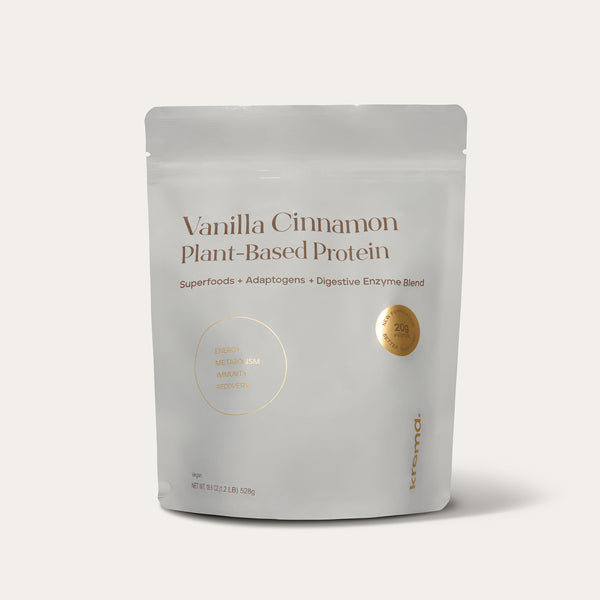
Vanilla Cinnamon Plant Protein: 20g of Plant Protein With Zero Effort

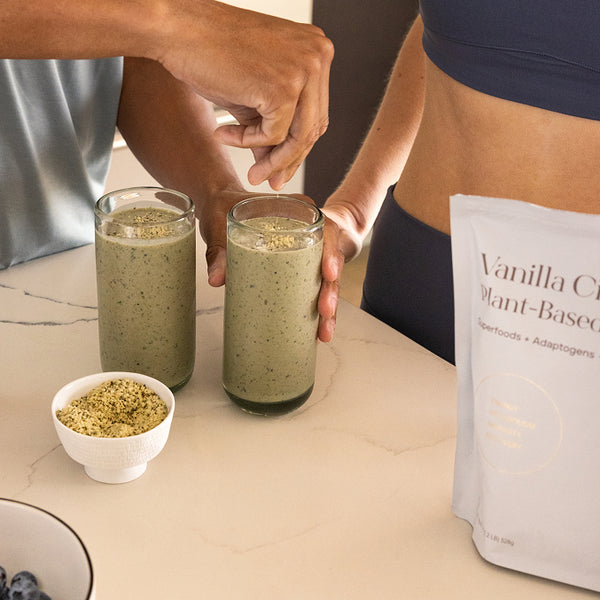
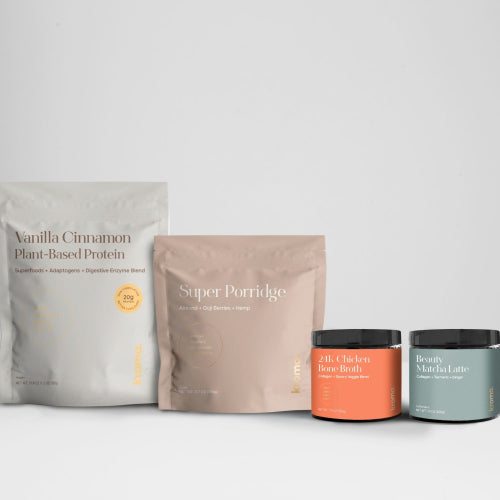
Kroma's Vanilla Cinnamon Plant Protein delivers 20 grams of plant-based protein in every scoop, making it an easy way to increase your daily protein intake without cooking or meal prep. Made with coconut milk and coconut water for a naturally creamy texture, it fits seamlessly into busy mornings, post-workout routines, travel days, or afternoons by the pool. Simply shake it with water for a refreshing, protein-rich drink that helps support energy, satiety, and muscle recovery—even when your appetite is low.
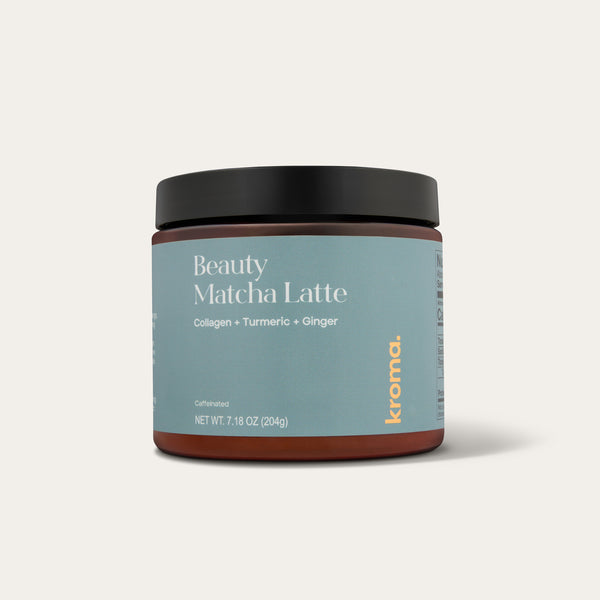
Beauty Matcha Latte: A Refreshing Way to Add Protein to Your Morning

If iced coffee has quietly replaced breakfast, consider swapping it for an iced serving of Kroma's Beauty Matcha. With 12 grams of collagen protein per two scoops, it offers a simple way to increase your protein intake while enjoying the smooth, sustained energy matcha is known for. Mix it with your favorite milk over ice for a refreshing summer drink that supports your wellness routine without adding extra prep to your day.
Hit Your Protein Goals Even in 100-Degree Heat
Summer doesn't have to mean skipped meals or falling short on protein.
The goal isn't to fight the season—it's to work with it. Whether it's a protein shake before heading to the beach, an iced Beauty Matcha on a busy morning, or a quick protein boost after an outdoor workout, choosing convenient, high-quality options makes it much easier to stay consistent.
Small daily habits can help support:
- More stable energy
- Better workout recovery
- Greater satiety
- Muscle maintenance
- Long-term wellness
Consistency is not perfection, is what helps close the summer protein gap.
The Real Fix Isn't Discipline — It's Design
At the end of the day, protein isn't about perfection ,it's about consistency, even when the season makes it harder. You don't need to overhaul your summer to get this right. You just need it to be easy enough that you actually do it, day after day, heat wave or not. That's the whole point.
Frequently Asked Questions About Protein and Summer
Why is it harder to eat enough protein during the summer?
Hot weather naturally reduces appetite, making people more likely to skip meals or choose lighter foods like salads and iced coffee. While these foods can feel refreshing, they often don't provide enough protein to support energy, muscle recovery, and fullness.
Do I need more protein during the summer if I'm more active?
Yes. Activities like swimming, hiking, traveling, walking, and outdoor workouts increase your body's need for protein to support muscle repair and recovery. If your activity level increases, maintaining adequate daily protein intake becomes even more important.
Can I get enough protein without cooking?
Absolutely. Protein shakes, smoothies, Greek yogurt, cottage cheese, protein-rich snacks, and ready-to-mix protein powders are convenient ways to increase your protein intake without turning on the stove.
Is a protein shake better than skipping a meal?
If you're too busy or not hungry enough for a full meal, a high-quality protein shake is generally a better option than skipping a meal altogether. It can help support satiety, muscle recovery, and consistent daily protein intake.