You eat throughout the day. You try to make healthy choices. You even think you’re eating enough of the right things. And yet you’re hungry again an hour after eating, crashing by 2 PM, losing muscle tone no matter how much you move, and dealing with a brain fog that no amount of coffee seems to cut through.
Sound familiar?
If it does, your daily protein intake may be trying to tell you something. And here’s the thing: you can’t out-supplement, out-sleep, or out-exercise a protein gap. You have to address it at the source.
Here’s what you need to know.
What Is Protein, Really?
Protein is one of three macronutrients — alongside carbohydrates and fat — but it plays a uniquely structural role in the body. Every cell, tissue, enzyme, and hormone your body produces is built from amino acids, the building blocks of dietary protein. Without adequate daily protein intake, your body cannot repair tissue, produce hormones, regulate blood sugar, support immune function, or maintain muscle mass.
There are 20 amino acids in total. Nine are considered “essential,” meaning your body can’t produce them on its own — you have to get them from food. When your diet falls short, your body doesn’t simply pause these functions. It begins breaking down your own muscle tissue to meet its needs — one of the most overlooked drivers of protein and muscle loss in everyday life.
Understanding how much protein do I need is one of the most impactful questions you can ask for your long-term health. Protein isn’t just for athletes. It’s the foundational nutrient for every person, every day.
Common Signs Your Protein Intake Is Too Low
The signs of protein deficiency are often dismissed as stress, aging, or “just how you are.” But these are signals worth paying attention to:
-
Constant hunger and cravings. Protein is the most satiating macronutrient. When you’re under-eating it, hunger returns quickly after meals and cravings — especially for sugar and refined carbs — intensify as your body hunts for fast energy.
-
Persistent fatigue and low energy. Amino acids are required to produce neurotransmitters like dopamine and serotonin. Without enough protein, energy regulation, mood, and mental clarity all suffer in ways that rest alone won’t fix. This is among the most common yet underrecognized signs of protein deficiency.
-
Muscle loss and weakness. Protein and muscle loss are directly linked. When intake is insufficient, the body breaks down muscle tissue for fuel — a process that accelerates with age and is a key driver of the “soft” body composition many people struggle with despite exercising regularly.
-
Slow recovery from exercise. Muscle repair happens after a workout, not during. Without adequate protein available, recovery stalls, soreness lingers, and the body can’t capitalize on the work you’re putting in. Understanding the high protein diet benefits becomes especially clear here.
-
Thinning hair, brittle nails, and dull skin. Hair, nails, and skin are made largely of structural proteins like keratin and collagen. When intake is low, the body deprioritizes these structures in favor of vital organs.
-
Brain fog and difficulty concentrating. The connection between protein and hormones extends to neurotransmitter production. Without adequate amino acids, cognitive function, mood, and focus all suffer in ways that are easy to mistake for burnout.
-
Blood sugar instability. Protein slows glucose absorption from carbohydrates. Without it at meals, blood sugar spikes and crashes more dramatically — triggering energy swings, mood volatility, and cravings all day long.
-
Slow wound healing. The body requires amino acids to build new tissue. When protein is chronically low, cuts, injuries, and inflammation take noticeably longer to resolve.

The Big Players: Understanding Your Protein Needs
While individual needs vary based on age, activity, and goals, a handful of key factors shape how much protein your body actually requires.
The RDA Misconception
The official RDA for protein is 0.8 grams per kilogram of body weight per day — but this figure represents the minimum needed to prevent deficiency in a sedentary person, not the optimal amount for health or longevity. When people ask how much protein do I need, the answer is almost always more than the RDA suggests. Current research supports significantly higher daily protein intake for most adults, particularly those who are active, aging, or managing their weight.
Muscle Protein Synthesis
Muscle tissue is constantly being broken down and rebuilt. Dietary protein fuels the rebuilding side of that equation. When intake is chronically low, the cycle tips toward breakdown — and protein and muscle loss becomes inevitable, regardless of how much you exercise.
Protein and Hormones
The relationship between protein and hormones is deeper than most people realize. Amino acids are the raw material for key hormones and neurotransmitters. Inadequate protein disrupts insulin regulation, suppresses thyroid function, and undermines the hormonal signaling that governs appetite, metabolism, and mood. Optimizing your daily protein intake is, in many ways, foundational hormonal health work.
Aging and Anabolic Resistance
After 40, the body becomes less efficient at using dietary protein to build and repair muscle — a phenomenon called anabolic resistance. This means older adults need more protein, not less, to maintain the same lean tissue they had at a younger age. Protein for women over 40, in particular, is one of the most under-addressed areas of nutritional support.
What Creates the Protein Gap?
Understanding why so many people fall short on daily protein intake is the first step toward closing the gap.
Carb-heavy breakfast habits are one of the biggest culprits. Toast, cereal, granola, and fruit — the foods that dominate most morning routines — are almost entirely carbohydrate-based. Starting the day without meaningful protein sets up blood sugar instability and cravings that follow you for hours.
Snack culture defaults to carbs and fat. Crackers, chips, fruit, and trail mix are everywhere — but they contribute almost nothing to your daily protein intake. When snacks don’t pull their weight, the gap widens even when meals look reasonable.
Plant-forward eating without protein planning. Eating more plants is genuinely beneficial for health — but plant-based protein is often incomplete and less bioavailable than animal sources. Without intentional pairing and adequate volume, plant-forward diets frequently underdeliver. This is where a high-quality plant-based protein supplement can make a real difference.
Chronic under-eating and restrictive dieting. Low-calorie diets almost always sacrifice protein, which accelerates protein and muscle loss, slows metabolism, and makes weight management harder over time — the opposite of the intended effect. For those pursuing protein for weight loss specifically, protecting muscle mass through adequate intake is non-negotiable.
How to Naturally Close the Protein Gap
The good news: strategic, sustainable nutrition shifts can meaningfully improve your daily protein intake without overhauling your entire life. Here’s where to start.
Anchor Every Meal with Protein First
Build your plate around a protein source — then add vegetables, healthy fats, and complex carbohydrates. Aiming for 25–40 grams of protein per meal distributes intake evenly throughout the day and maximizes your body’s ability to actually use it. This single habit delivers more high protein diet benefits than nearly any supplement or shortcut.
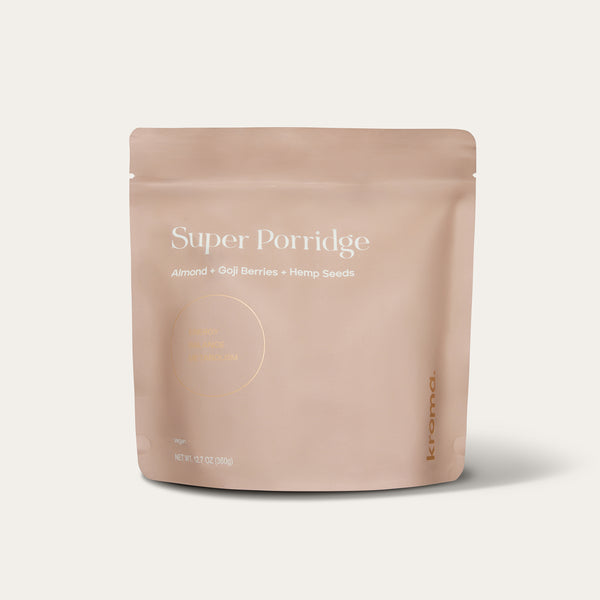
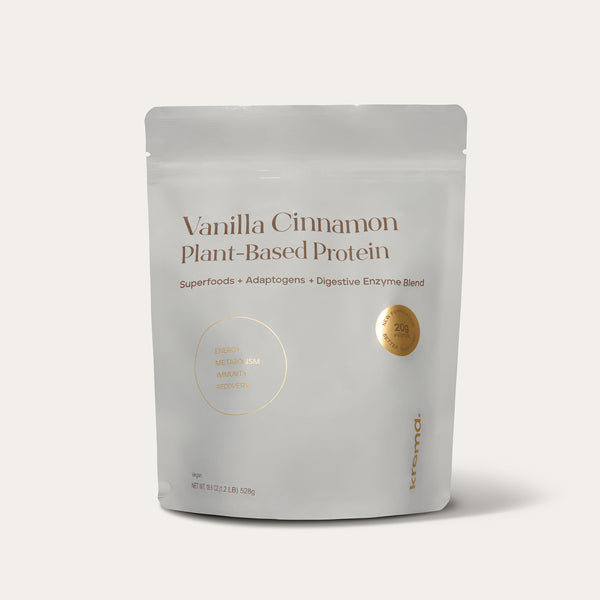
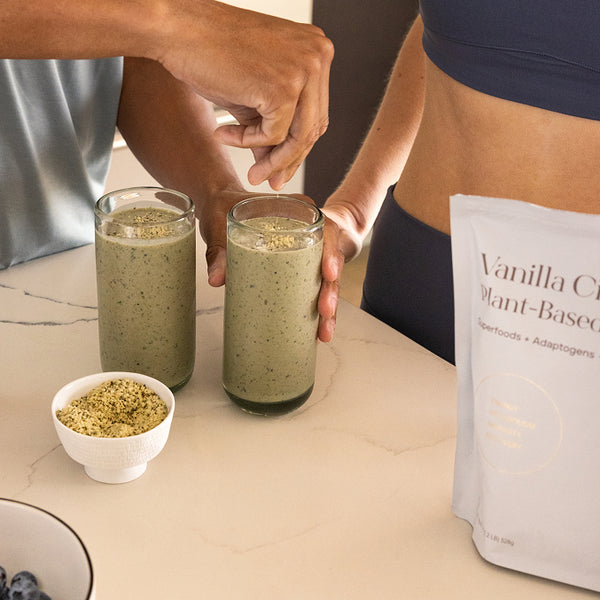
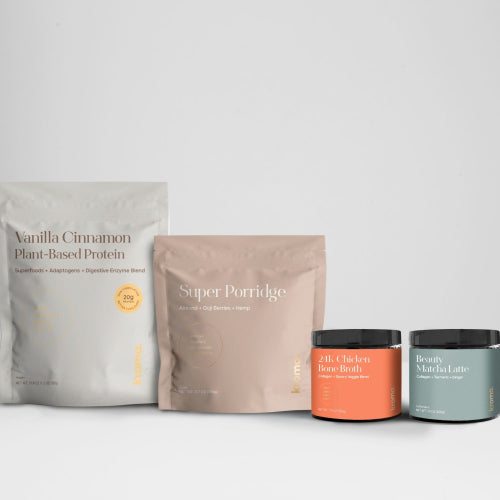
Kroma tip: Starting your day with a high-protein breakfast is one of the most impactful habits for blood sugar stability and sustained energy. Super Porridge or a protein smoothie made with Plant-Based Protein sets the right nutritional tone from the very first meal — and makes hitting your daily protein intake target significantly easier.
Make Snacks Count
Treat snacks as mini-meals, not afterthoughts. A snack with 10–15 grams of protein — Greek yogurt, hard-boiled eggs, edamame, or a protein shake — bridges the gap between meals, stabilizes blood sugar, and contributes meaningfully to your daily total.
Kroma tip: Super Porridge works equally well as a morning meal or afternoon snack — real ingredients, real nourishment, and genuine Kroma protein support without the ingredient list you need a dictionary to decode.
Diversify Your Protein Sources
Variety matters for amino acid completeness and long-term dietary adherence. Rotate between animal proteins (eggs, fish, poultry, Greek yogurt) and plant-based protein options (lentils, edamame, tofu, hemp seeds, pea protein). If you rely heavily on plants, choosing formulas specifically designed for amino acid completeness ensures you’re not leaving gaps. For protein for women especially, leucine-rich sources that directly stimulate muscle synthesis deserve particular attention.
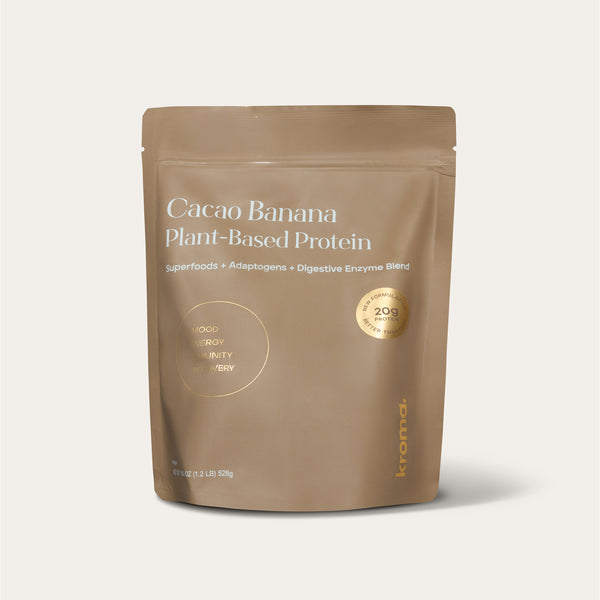
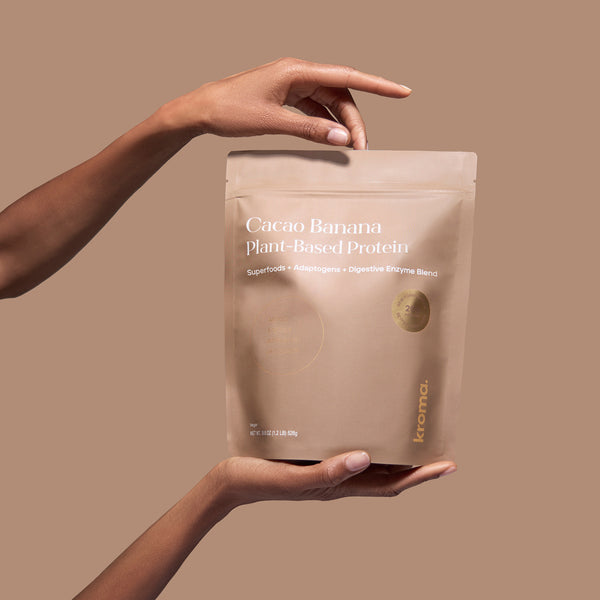
Kroma tip: Kroma’s Plant-Based Proteins are formulated to be nutritionally complete — delivering all nine essential amino acids in every serving, bridging the gap that many plant-only diets leave open.
Support the Gut That Absorbs It
It’s not just about how much you eat — it’s about how much you actually absorb. A compromised gut lining or disrupted microbiome can reduce your ability to break down and utilize amino acids, even when your daily protein intake looks adequate on paper. Gut support is, in this way, also protein support.
Kroma tip: Super Core — Kroma’s dairy-free colostrum — supports gut lining integrity and digestive function, creating the foundation your body needs to fully access the protein you’re consuming. It’s one of the most overlooked tools for closing the protein gap.
Move Intentionally to Protect Muscle
Strength training is the most effective stimulus for muscle protein synthesis — and it significantly amplifies the return on every gram of protein you eat. Combined with adequate daily protein intake, resistance training is the most powerful tool available for reversing protein and muscle loss at any age. Pair it with adequate recovery, and the high protein diet benefits compound over time.
A Note on Protein Quality
Not all protein is equal. Beyond total grams, protein quality — meaning the completeness of its amino acid profile and how readily the body absorbs it — matters enormously. Animal proteins are generally complete and highly bioavailable. Many plant-based protein sources are incomplete or less bioavailable, meaning the gram count on the label may overestimate what your body actually receives.
Leucine, in particular, is an essential amino acid with an outsized role in triggering muscle protein synthesis. If you’re asking how much protein do I need, the quality of those grams matters as much as the quantity. Choosing plant-based protein options with complete amino acid profiles and sufficient leucine content is well worth the attention.
If you suspect a significant deficiency or have specific health goals, working with a registered dietitian or functional medicine practitioner can help you assess both your current daily protein intake and what’s optimal for your life stage and health status.
Your Body Is Asking for More
The protein gap is real — and it’s wide enough to explain a lot of the unexplained: the fatigue, the relentless hunger, the protein and muscle loss that feels inevitable, the brain fog that won’t lift, the cravings that willpower alone can’t touch.
The signs of protein deficiency aren’t dramatic. They’re quiet. They look like a bad week, or getting older, or just being tired. But they’re signals — and your body is sending them for a reason.
Consistent protein at every meal. Attention to quality and completeness. A gut that can absorb what you’re giving it. Strategic Kroma protein support where it counts. These aren’t complicated interventions — but they are the foundation that energy, body composition, and long-term health are built on.
Start there. Stay consistent. The gap is smaller than you think — and the difference it makes is bigger than you’d expect.
Support your daily protein intake with Kroma. Shop our Protein Collection and discover daily essentials designed to close the gap and work with your body, not against it.
Last Edited: April 30, 2026