

How to Make Vegetable Stock: Easy Recipe & Benefits
Published at: August 18, 2025
Published at: August 18, 2025

Quick answer: To make vegetable stock, simmer onion, carrot, celery, and other vegetable scraps in water for 30-60 minutes, then strain. That's the whole method — vegetable stock and vegetable broth are used interchangeably in most kitchens, and either name gets you the same nourishing, plant-based liquid packed with vitamins, minerals, and antioxidants. Full step-by-step instructions and ingredient list below.
You can’t turn on social media without seeing someone singing the praises of bone broth, like Kroma bone broth and Kroma wellness bone broth, but what if you are vegetarian or vegan? Are you forever without this healing elixir?
Don’t fret, you can get many of the same benefits of veggie broth in a nourishing vegetable broth, and we are here to tell you how.

There are a lot of lifestyle diets and allergy-sensitive diets out there, and it is hard to find something that is delicious, satisfying, and full of nutrients that meet all of the different standards. In fact, many wonder, "is vegetable broth good for you?" and the answer lies in its impressive vegetable stock benefits.
If you are following a paleo diet, grains, dairy, legumes, sugar, and processed foods are out. Basically, any foods cavemen couldn’t eat, a person following paleo wouldn't eat either. Cavemen were hunters and gathers, and vegetables would have been a big part of a caveman's diet, so it is safe to say vegetable broth is a great option on the paleo diet.
The quality of vegetable broth comes directly from the quality of the vegetables used in the broth. Using vegetables that are organic and non-GMO, or genetically modified, ensures your broth will be free of synthetic pesticides and fertilizers.
As long as you store your veggie broth properly, your broth does not need preservatives. Broth can be stored in the fridge for up to four days, and it is safe in the freezer for up to six months.
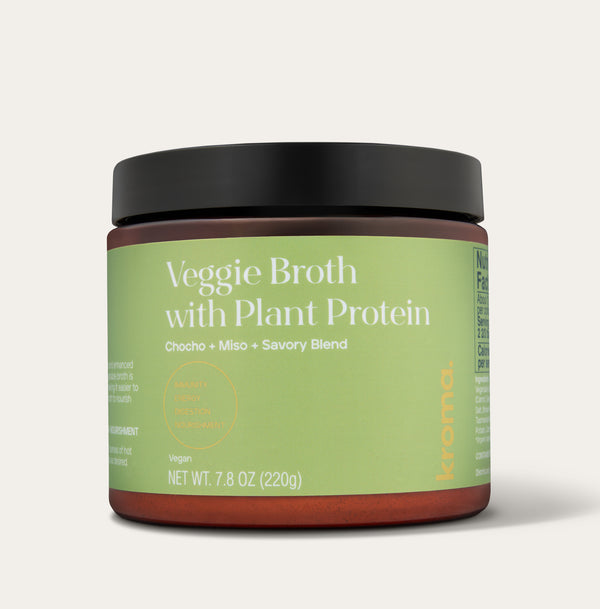
On the other hand, if you purchase a veggie broth, make sure it is made with non-GMO ingredients and zero preservatives, like our Veggie Broth with Plant Protein. Unlike Kroma bone broth, this option provides a plant-based alternative with unique vegetable broth benefits.
Vegetable broth is made with veggies, spices, and seasonings, and is completely vegan. There should not be any dairy products in a pure vegan broth. This ensures you enjoy maximum vegetable broth benefits.
While some soups and stocks may need gluten to thicken it, veggie broth is not one of those. Making your own broth ensures you are free of any allergies, like gluten. If you are purchasing a stock, make sure you read the ingredient list well. Gluten can be snuck into food items that you wouldn't suspect. Is vegetable broth healthy? Absolutely, as it's naturally gluten-free.

Drinking vegetable broth provides full-body nourishment. Here are a few ways veggie broth can add to your healthy lifestyle.
Vegetables are full of important vitamins and minerals that promote immune health. When you reduce those vegetables down into an easily digestible broth, your body can smoothly absorb those nutrients. Beta-carotene, vitamin C, and vitamin E are all great antioxidants that support the immune system.
Protein and carbohydrates provide your body with energy. Vegetable broth is packed with both of these nutrients. Not only does the broth give you these nutrients from the veggies inside, drinking broth does not make you feel overly full and weigh you down.
Collagen is important for healing the gut and supporting digestive health. While collagen from animal products wouldn't be found in a vegetable broth, the body can make its own collagen using vitamin C, zinc, and copper, which should all be found in a well-balanced vegetable broth.
The balance of good bacteria in the gut is crucial for digestion health. Adding fermented foods like miso can provide good bacteria. Kelp and sweet potatoes add a good source of fiber, which can be used as food for good bacteria.
Reducing the amount of inflammation in the body can protect your body in many ways, including maintaining regular heart health and metabolic function. Most vegetables, like onions, broccoli, Brussels sprouts, and spinach, as well as herbs such as parsley and thyme, are great for reducing inflammation.

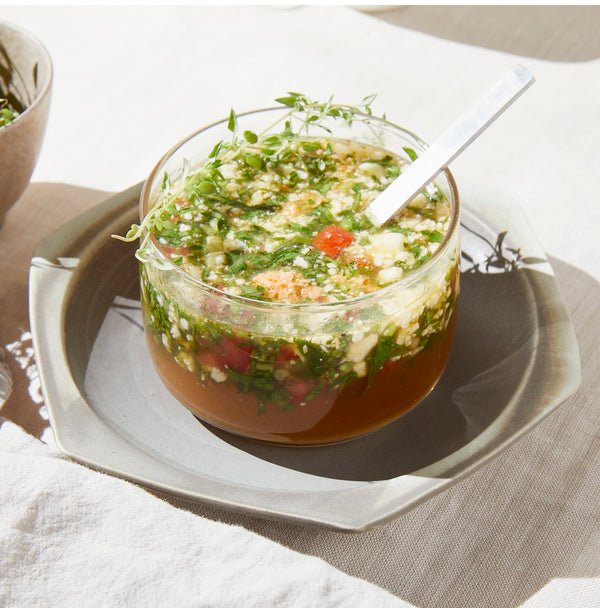
There are many recipes out there for nutrient dense veggie broths, but one of our favorites is this version by Minimalist Baker, showcasing the vegetable broth benefits for optimal nutrition.
Making vegetable broth can be time-consuming, though. While many enjoy Kroma bone broth, our approach with Kroma Wellness’ Veggie Broth with Plant Protein offers a delicious, convenient alternative that delivers the same nourishing benefits as a homemade broth.
Our whole goal is to make superfoods easy and accessible, remember?
The key to a nourishing vegetable stock recipe – and its remarkable vegetable stock benefits – is what you put into it.
One trick is to save all of your veggie scraps (onion skin, potato and carrot peels, broccoli stems, and ends of the celery) in a freezer-safe container. Once it is full, you can use those scraps for your broth.
Heat the pot. Heat a large stock pot over medium heat and add 1 tablespoon of avocado or coconut oil.
Sauté the base vegetables. Add the onion, carrots, and celery. Sauté until softened, about 5-7 minutes.
Season. Sprinkle the softened vegetables with black pepper and a little salt.
Add water and remaining vegetables. Pour in your water, then add the rest of your vegetables, herbs, and spices.
Bring to a boil, then simmer. Bring the pot to a boil, then reduce to a simmer. Let it cook for at least 30 minutes — a full hour develops deeper flavor.
Taste and adjust. Taste near the end and add more salt, pepper, or seasoning as needed.
Strain and store. Pour the finished stock through a fine mesh strainer. Drink it on its own, or use it as a base for soup. Refrigerate up to 4 days or freeze up to 6 months.
A single serving made this way provides around 40 calories, 2 grams of protein, 2 grams of fiber, and a wide range of vitamins and minerals — nutrition will vary depending on the vegetables you use.

Now that you know all the amazing health benefits vegetable broth has to offer and how to make a nourishing broth at home, including the benefits of veggie broth and vegetable broth benefits, all that is left to do is enjoy!
At Kroma Wellness, we know not everyone has time to make homemade veggie broth on the regular. That is why we have created a delicious, convenient broth full of nourishing superfoods. For those who love Kroma bone broth but prefer plant-based options, our product delivers exceptional vegetable broth benefits.
If you’re ready to go beyond the broth and work on making superfoods part of your everyday wellness routine, try our 5-Day Reset.
Last Edited: August 21, 2026