If you've ever wondered what are electrolytes or why everyone seems to be drinking electrolyte water these days, you're not alone. Electrolytes have become a wellness buzzword, but understanding what they actually do, and when you really need them, can help you make smarter choices about hydration.
This guide explains the science behind electrolytes, how to recognize when you need more, and practical ways to maintain proper electrolyte balance through both food and drinks.
What Are Electrolytes?
Electrolytes are minerals that carry an electrical charge when dissolved in water or body fluids like blood. The main electrolytes include sodium, potassium, magnesium, calcium, chloride, phosphate, and bicarbonate.
These charged minerals are essential for basic life functions. They maintain electrical neutrality in cells, generate nerve signals, trigger muscle contractions, regulate fluid balance, and support countless biochemical reactions throughout your body.
Think of electrolytes as your body's electrical system. Without proper electrolyte levels, cells can't communicate effectively, muscles won't function properly, and fluid balance gets disrupted. Your body allocates 20–40% of its cellular energy just to running the sodium-potassium pump, that's how critical these minerals are to survival.
How Electrolytes Work in Your Body
Each electrolyte plays specific roles that keep your body functioning:
Sodium is the most abundant electrolyte in your body. It maintains fluid balance by regulating how much water stays inside versus outside your cells. Sodium also helps cells absorb nutrients and supports nerve signal transmission.
Potassium works closely with sodium through the sodium-potassium pump. This mechanism moves sodium out of cells while bringing potassium in, creating the electrical charge needed for nerve impulses and muscle contractions. Potassium also helps regulate blood pressure and supports heart function.
Magnesium is involved in over 300 enzymatic reactions. It helps convert food into cellular energy (ATP), supports muscle function, regulates neurotransmitter release, and assists with protein synthesis. Magnesium is particularly important for muscle relaxation after contraction.
Calcium isn't just for bones—it's essential for muscle contraction. When muscles contract, calcium allows muscle fibers to slide together and shorten. It also plays roles in blood clotting, nerve function, and maintaining heart rhythm.
Chloride helps control fluid balance and is a key component of stomach acid (hydrochloric acid), which aids digestion. It works alongside sodium to maintain proper blood volume and pressure.
Understanding these roles helps explain why proper electrolyte balance matters for everything from energy levels to exercise performance to basic cellular function.
When You Need Electrolytes: Signs of Imbalance
Your body typically regulates electrolytes efficiently through your kidneys, but certain situations can disrupt this balance.
Common situations that increase electrolyte needs include intense or prolonged exercise (especially in heat), illness with vomiting or diarrhea, excessive sweating, inadequate dietary intake, certain medications (particularly diuretics), and chronic health conditions affecting kidney function or hormone regulation.
Signs you might need more electrolytes include muscle cramps or weakness, fatigue or lethargy, headaches, irregular heartbeat, confusion or difficulty concentrating, nausea, and excessive thirst despite drinking water.
If you're experiencing severe symptoms like prolonged confusion, seizures, loss of consciousness, or cardiac arrhythmias, seek immediate medical attention. These can indicate dangerous electrolyte imbalances that require professional treatment.
Electrolyte Water vs Regular Water: When Each Makes Sense

Plain water works perfectly well for most daily hydration needs. Your body is designed to get electrolytes from food, and a balanced diet typically provides adequate amounts.
However, electrolyte water or enhanced hydration drinks make sense in specific scenarios:
- During or after intense exercise lasting more than 60 minutes, you lose significant sodium and other electrolytes through sweat. Replacing these helps maintain performance and prevents cramping.
- In hot weather or when sweating heavily, electrolyte drinks help replace minerals lost through perspiration more effectively than plain water alone.
- When recovering from illness involving fluid loss (vomiting, diarrhea, fever), an electrolyte solution for dehydration can restore both fluid and mineral balance more effectively than water.
-
For people on very low-carb or ketogenic diets, electrolyte needs often increase because these eating patterns affect how your kidneys handle sodium and water.
The key distinction: Plain water hydrates you. Electrolyte drinks hydrate you and replace lost minerals. If you're not losing significant electrolytes through sweat or illness, plain water is sufficient.
Hydration Drinks: Choosing Quality Options
When making or buying hydration drinks, consider these factors:
Sugar content matters. Many commercial sports drinks contain excessive added sugar. Look for options with moderate amounts (enough to aid sodium absorption without causing blood sugar spikes) or consider sugar-free versions if you're not engaged in intense exercise.
Sodium levels should match your needs. Commercial hydration drinks typically contain 200-500mg sodium per serving. Higher amounts may be necessary for endurance athletes or people who sweat heavily.
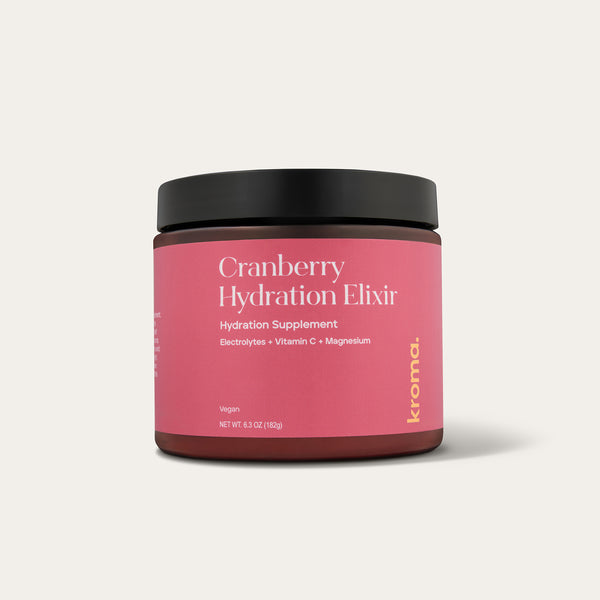
Quality ingredients make a difference. Kroma's Cranberry Hydration Elixir combines organic coconut water, marine minerals rich in magnesium, and Himalayan pink salt—providing a clean electrolyte blend without added sugar. It also includes ginger and cayenne to support metabolism and digestion.
Avoid artificial additives. Many mainstream sports drinks contain artificial colors, flavors, and preservatives. Cleaner options rely on whole food ingredients and natural flavoring.
Getting Electrolytes from Food
The best long-term strategy for electrolyte balance is eating a varied, whole-foods diet:
-
Sodium: While table salt is the most obvious source, you also get sodium from fermented foods, broths, and naturally sodium-containing vegetables like celery and beets.
-
Potassium: Bananas are famous for potassium, but sweet potatoes, avocados, spinach, beans, and salmon provide even more per serving.
-
Magnesium: Dark leafy greens, nuts, seeds, whole grains, and dark chocolate are excellent sources.
-
Calcium: Dairy products, fortified plant milks, sardines (with bones), and dark leafy greens all contribute calcium.
A breakfast like overnight oats with nuts, banana, and a pinch of salt; lunch featuring a salad with avocado, beans, and leafy greens; and dinner with salmon, roasted sweet potato, and steamed broccoli would provide substantial amounts of all major electrolytes.
For additional support during resets or periods when you're simplifying your diet, consider structured programs like Kroma's 5-Day Reset, which includes electrolyte-rich options and ensures balanced mineral intake.

Electrolyte Solution for Dehydration: When to Use Oral Rehydration Therapy
Oral rehydration therapy (ORT) using a proper electrolyte solution for dehydration is recognized by the World Health Organization as the gold standard treatment for fluid loss from diarrhea and vomiting.
An effective oral rehydration solution contains specific ratios of glucose and electrolytes designed to maximize absorption. The glucose helps sodium (and water) absorb more effectively through the intestinal lining: a crucial mechanism when dealing with significant dehydration.
When to use oral rehydration solutions:
- Acute diarrhea or vomiting causing fluid loss
- Signs of mild to moderate dehydration (dry mouth, decreased urination, fatigue)
- Recovery from stomach flu or food poisoning
-
Heat-related illness with significant sweating
When to seek medical care:
- Severe dehydration symptoms (extreme thirst, very dark urine, dizziness, confusion)
- Inability to keep down fluids
- Dehydration in infants, young children, or elderly individuals
- Symptoms persisting beyond 24 hours despite oral rehydration attempts
For mild cases, oral rehydration solutions can be highly effective when sipped slowly and consistently. The key is replacing both fluid and electrolytes simultaneously.
Frequently Asked Questions
What are electrolytes and why do I need them?
Electrolytes are minerals with electrical charges (sodium, potassium, magnesium, calcium, and others) that regulate nerve function, muscle contraction, hydration, and pH balance. You need them because these processes are essential for life—without proper electrolyte levels, your cells can't function properly.
When should I drink electrolyte water instead of regular water?
Drink electrolyte water when you're losing significant minerals through sweat (intense or prolonged exercise, hot weather), recovering from illness with fluid loss (vomiting, diarrhea), or following specific diets that increase electrolyte needs (very low-carb diets). For typical daily hydration, plain water is sufficient.
Can I make a homemade electrolyte drink that works?
Yes. A simple homemade electrolyte drink combines 1 liter water, 6 teaspoons sugar or honey, and ½ teaspoon salt. For enhanced mineral content, use coconut water (high in potassium), add lemon juice for flavor, and use sea salt for trace minerals. This provides effective rehydration at a fraction of the cost of commercial options.
What's the difference between electrolyte drinks and sports drinks?
The terms are often used interchangeably, but quality matters. Many commercial sports drinks contain excessive sugar and artificial ingredients. Better electrolyte drinks focus on mineral content with moderate or no added sugar, use natural ingredients, and provide meaningful amounts of sodium, potassium, and magnesium.
What is an electrolyte solution for dehydration?
An electrolyte solution for dehydration is a specific mixture of water, glucose, and electrolytes (especially sodium and potassium) designed to treat fluid loss from diarrhea, vomiting, or excessive sweating. The World Health Organization recommends these solutions as first-line treatment for mild to moderate dehydration because the glucose enhances sodium and water absorption.
How do I know if my electrolytes are imbalanced?
Common signs include muscle cramps, fatigue, headaches, irregular heartbeat, nausea, and confusion. However, severe imbalances can be subtle initially. If you have risk factors (intense exercise, illness with fluid loss, certain medications) and feel persistently off despite drinking water, consult a healthcare provider who can test your electrolyte levels.
References
Last Edited: March 20, 2026