

What Does Dairy-Free Mean? A Complete Guide to the Dairy-Free Diet
Published at: September 30, 2026
Published at: September 30, 2026

Vanilla Cinnamon Plant-Based Protein

Super Porridge / Multi-Serving
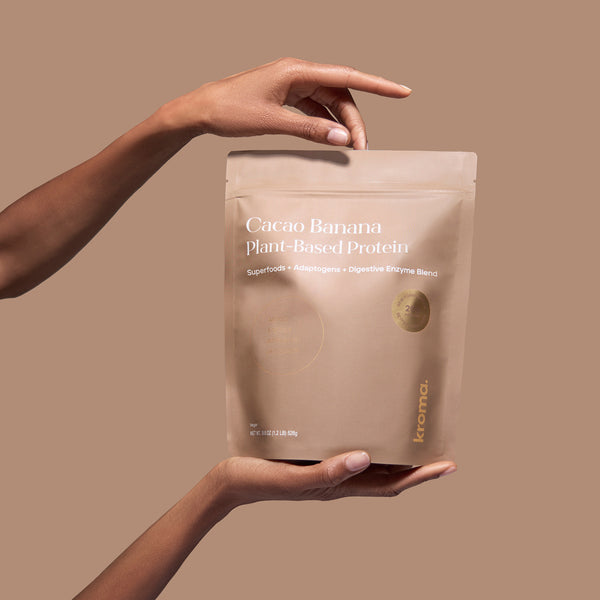
Cacao Banana Plant-Based Protein
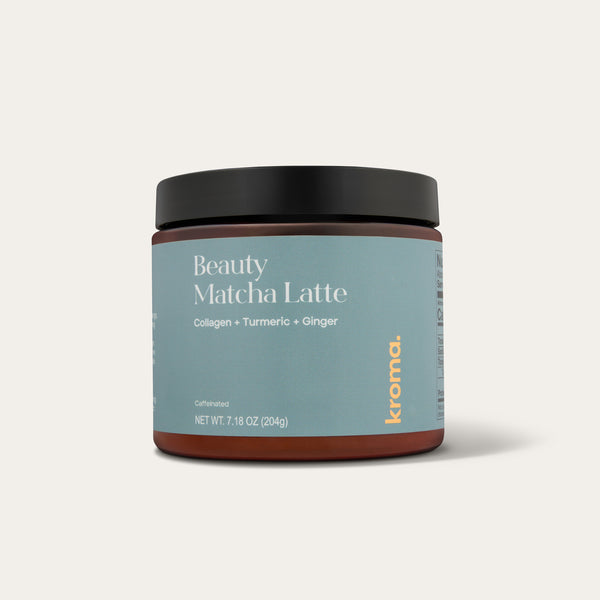

Beauty Matcha Latte ~ 24 Servings
Quick answer: Dairy-free means avoiding all ingredients made from mammals' milk, including milk, butter, cheese, and yogurt, not just lactose. It's different from lactose-free, which removes the milk sugar but keeps milk protein. People go dairy-free for lactose intolerance, milk allergies, or personal diet choices, and can still get calcium from foods like leafy greens, fortified plant milk, and bone broth.
Starting a dairy-free diet can feel daunting, especially if it means picturing life without your favorite desserts or coffee creamer. At Kroma Wellness, we're dedicated to dairy-free products that still deliver rich, creamy taste, so eating this way doesn't have to feel like a compromise.
Key takeaways
"Dairy-free" describes food and meals with no ingredient derived from mammal's milk. That includes the obvious ones, milk, cream, and butter, plus less obvious ones like whey, casein, and ghee, which can hide in processed foods, baked goods, and sauces. A truly dairy-free product contains none of these, in any amount.
These two terms get used interchangeably, but they're not the same thing.
This distinction matters most for two groups:
For people with lactose intolerance, dairy can cause bloating, gas, cramping, or diarrhea. Removing dairy, rather than just switching to lactose-free versions, resolves this for people who are also sensitive to milk proteins.
A true milk allergy is an immune response, not a digestive one, and can range from hives to a severe reaction. For these individuals, dairy-free isn't a lifestyle choice, it's a requirement.
Many dairy products, particularly full-fat milk, cheese, and butter, are high in saturated fat and cholesterol. Diets high in saturated fat are linked to higher LDL cholesterol, a risk factor for heart disease, which remains the leading cause of death in the United States. Choosing dairy-free alternatives is one way to reduce saturated fat intake, though it's one factor among many, including overall diet pattern, activity level, and genetics.
Cutting dairy often means eating more of the foods that replace it: nuts, seeds, legumes, and fortified plant milks. This can increase intake of fiber, unsaturated fats, and plant compounds that dairy doesn't provide.
You may have read that dairy consumption is linked to certain cancers. Some observational studies have found associations between higher dairy intake and specific cancers, while other research has found neutral or even protective associations, particularly for colorectal cancer. The evidence is mixed and observational, meaning it shows correlation, not proof that dairy causes cancer. If this is a concern for you, it's worth discussing your personal risk factors with a doctor rather than relying on a single statistic.
Myth: You need milk for strong bones.
Calcium supports bone health, but research on whether higher calcium intake specifically from milk reduces fracture risk has been mixed, and some systematic reviews have found no strong link between increased calcium intake and better bone health.
Myth: Milk is the only good source of calcium.
Plenty of plant foods provide calcium: leafy greens like broccoli and kale, fortified plant milks, tofu made with calcium sulfate, and sesame seeds. Broccoli also provides vitamin K, which plays a role in bone metabolism. For another calcium-rich, bone-supportive option, see our guide to bone broth benefits.

The main challenge with dairy-free eating isn't nutrition, it's replacing the taste and creaminess dairy provides. Here's where to look:
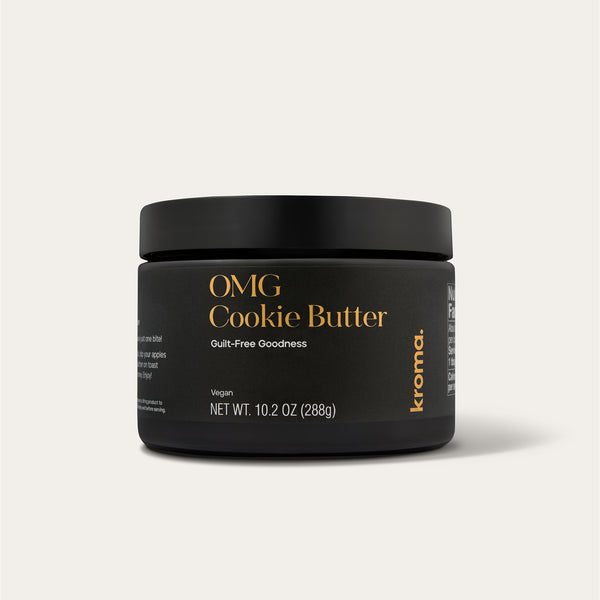
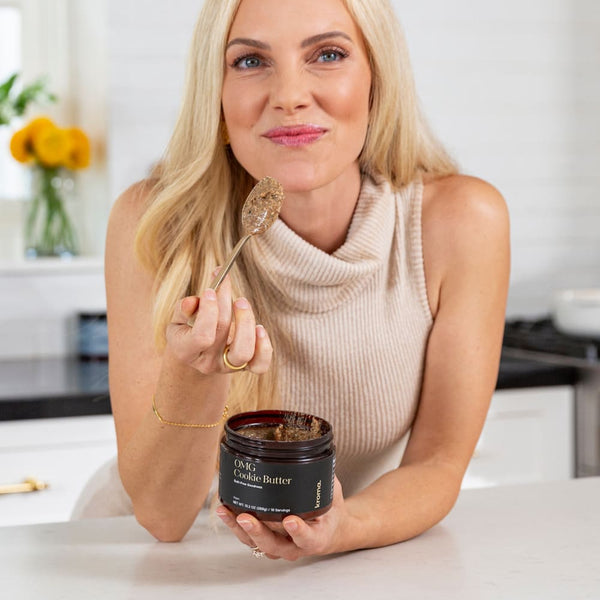
A non-dairy standout worth calling out: Kroma's OMG Cookie Butter ,An indulgently creamy, energizing blend of nuts, seeds, and superfoods. Almond butter, coconut butter, and hemp seeds for healthy fats, with goji berries and a satisfying boost from chocho plant protein.The perfect quick energy boost with protein. Perfect for pre or post workout. Or when you just need a little something .
You don't need to overhaul your whole diet at once. A few simple swaps go a long way:
Dairy-free eating doesn't mean giving up flavor or comfort food. It means finding ingredients that deliver the same richness in a different way.


Dairy-free means avoiding all milk-derived ingredients, not just lactose, which is the key difference from lactose-free eating. Whether you're going dairy-free for intolerance, allergy, ethical reasons, or simply to eat lighter, it doesn't have to mean bland food or complicated cooking. With the right swaps, like MCT-based creamers, fermented flavor boosters like miso, and calcium-rich foods like bone broth, you can keep the rich, creamy foods you love while cutting dairy out entirely.
If you're just starting your wellness journey, our 5-Day Reset is designed to ease your body into a lighter way of eating without leaving you with cravings or an empty stomach.
This content is for informational purposes only and is not medical advice. Consult a healthcare professional before making significant dietary changes, especially if you have a diagnosed allergy or medical condition.
Last Edited: September 30, 2026
Vanilla Cinnamon Plant-Based Protein
Super Porridge / Multi-Serving
Cacao Banana Plant-Based Protein
Beauty Matcha Latte ~ 24 Servings