
Creatine for Women: Why It's Not Just for Bodybuilders
Published at: October 06, 2026
Published at: October 06, 2026

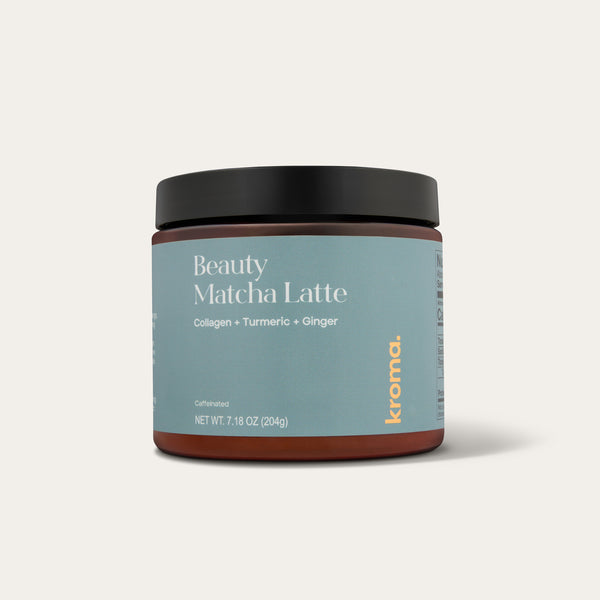

Beauty Matcha Latte ~ 24 Servings
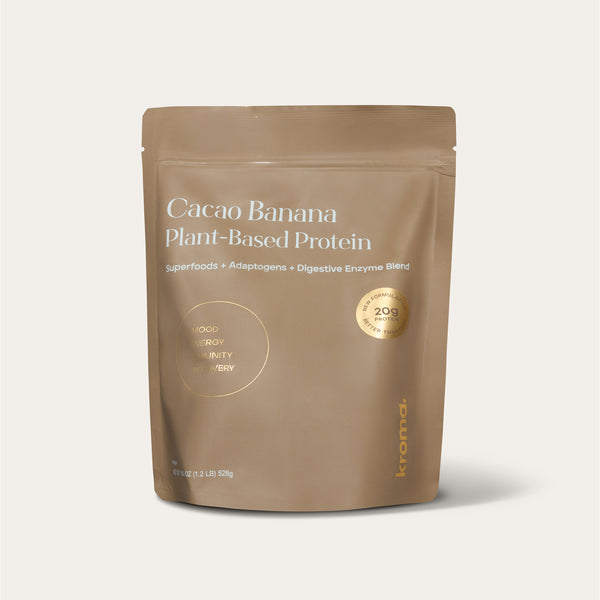
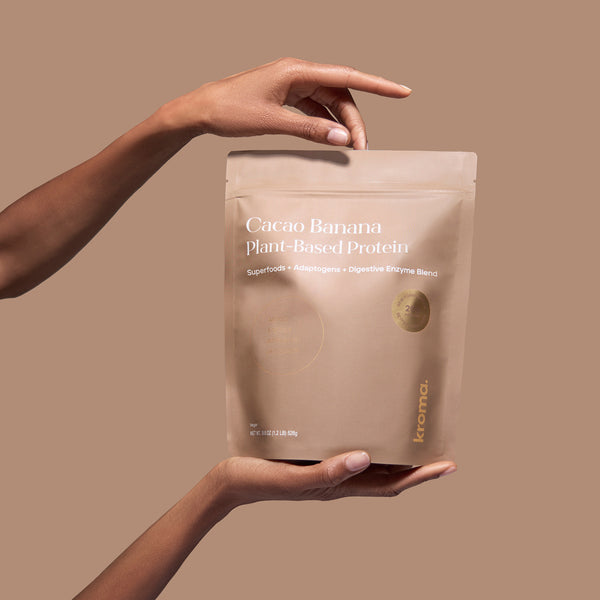
Cacao Banana Plant-Based Protein
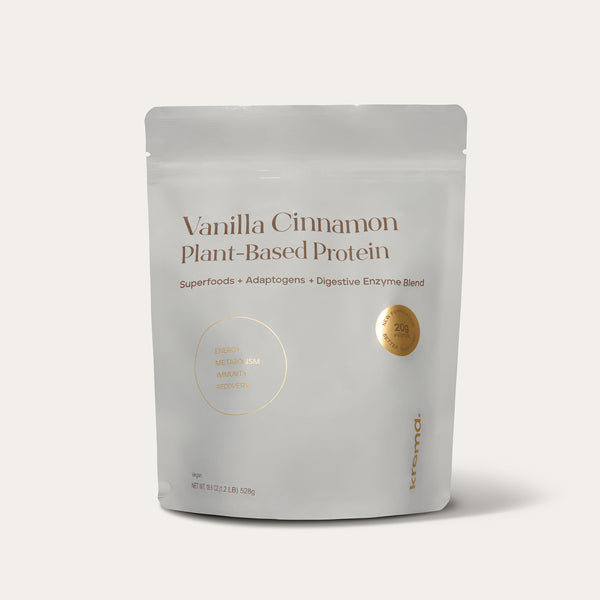
Vanilla Cinnamon Plant-Based Protein
Quick answer: Yes, women can benefit from creatine. Research shows women have 70-80% lower baseline creatine stores than men, and supplementing 3-5 g of creatine monohydrate daily (no loading phase) supports strength, bone health (especially through menopause), and brain energy and mood. The bloating and weight-gain fears don't hold up. A female-specific meta-analysis found no significant weight gain or side effects, and any early scale bump (1-3 lbs) is temporary water inside muscle, not fat. Creatine doesn't alter estrogen or progesterone, and there's no need for a "women's" formula. Choose third-party-tested monohydrate.
Creatine has an image problem. Mention it, and most people picture gym locker rooms and bulk-focused bodybuilders — not exactly the association that makes women reach for it. But should women take creatine? Decades of research on one of the most-studied supplements in sports nutrition says yes, and the reasons have surprisingly little to do with getting bigger.
A landmark 2021 review in Nutrients found that women have 70-80% lower baseline creatine stores than men — meaning women are often starting from a bigger deficit, and may have more to gain from supplementing, not less. That single finding is a big part of why creatine for women has shifted from a niche question to a genuine research focus over the past few years.
The standard, well-studied dose is 3-5 grams of creatine monohydrate daily. No loading phase is required; a consistent daily dose builds muscle stores over several weeks just as effectively.
This is the most established benefit: creatine improves high-intensity exercise performance and, combined with resistance training, supports greater strength gains than training alone.
Postmenopausal women may see improvements in muscle size and function at higher doses, along with favorable effects on bone when creatine is paired with resistance training — relevant territory for anyone thinking about long-term bone density.
Creatine plays a role in brain energy metabolism, and research suggests supplementation may support mood and cognitive function — potentially more effectively in women than men, by helping maintain a pro-energetic environment in brain tissue during periods of stress or sleep loss.
Creatine supports the same muscle-protecting goal we covered in protein for women over 40 — it's not a replacement for protein or resistance training, but it stacks on top of both.
This is the question that stops most women before they start, and it deserves a direct answer. A 2020 systematic review and meta-analysis focused specifically on females found no statistically significant difference in weight gain between women supplementing with creatine and those who weren't, and no significant differences in gastrointestinal side effects, kidney function, or liver function either.
The real, well-documented effect is smaller and more specific: creatine draws water into muscle cells during the first several days of use, which can show up as a small, temporary scale increase. That's intracellular water supporting muscle function — not the puffy, under-the-skin creatine bloating people picture, and it isn't fat gain. A 2021 expert consensus review addressed this directly, tracing the "bloating" myth back to older studies using aggressive loading protocols rather than the standard daily dose.
Creatine isn't a hormone, and it doesn't meaningfully alter estrogen or progesterone levels. What creatine and hormones research actually explores is the reverse relationship: how the menstrual cycle and menopause affect creatine metabolism — since hormonal shifts influence how the body produces and uses it. This is an active, still-developing area of research, particularly around whether supplementation timing matters across the menstrual cycle.
There's no women-specific formulation backed by evidence — the best creatine for women is the same as the best creatine for anyone: creatine monohydrate, the most-researched and most-affordable form. Look for third-party testing (NSF Certified for Sport or Informed Sport) and skip proprietary blends or added stimulants, which add cost without added benefit.

The bodybuilder stereotype has kept a lot of women from a supplement with real, well-documented benefits for strength, bone health, and brain function. Creatine benefits for women hold up under research scrutiny, and the bloating and weight-gain fears largely don't.
Three to five grams a day, taken consistently, paired with resistance training and adequate protein — that's the whole protocol.
Build the foundation creatine works best with. Explore our Protein Collection and read Protein for Women Over 40 for the full picture on muscle-protective nutrition.
References:
Smith-Ryan AE, Cabre HE, Eckerson JM, Candow DG. Creatine Supplementation in Women's Health: A Lifespan Perspective. Nutrients 2021, 13(3), 877
Antonio J, et al. Common questions and misconceptions about creatine supplementation: what does the scientific evidence really show? J Int Soc Sports Nutr 2021, 18(1), 13
de Guingand DL, Palmer KR, Snow RJ, Davies-Tuck ML, Ellery SJ. Risk of Adverse Outcomes in Females Taking Oral Creatine Monohydrate: A Systematic Review and Meta-Analysis. Nutrients 2020, 12(6), 1780
Smith-Ryan AE, DelBiondo GM, Brown AF, et al. Creatine in women's health: bridging the gap from menstruation through pregnancy to menopause. J Int Soc Sports Nutr 2025, 22(1)
Last Edited: October 06, 2026
Beauty Matcha Latte ~ 24 Servings
Cacao Banana Plant-Based Protein
Vanilla Cinnamon Plant-Based Protein