

The Science Behind Superfoods: Which Ones Are Worth the Hype in 2026?
Published at: January 19, 2026
Published at: January 19, 2026

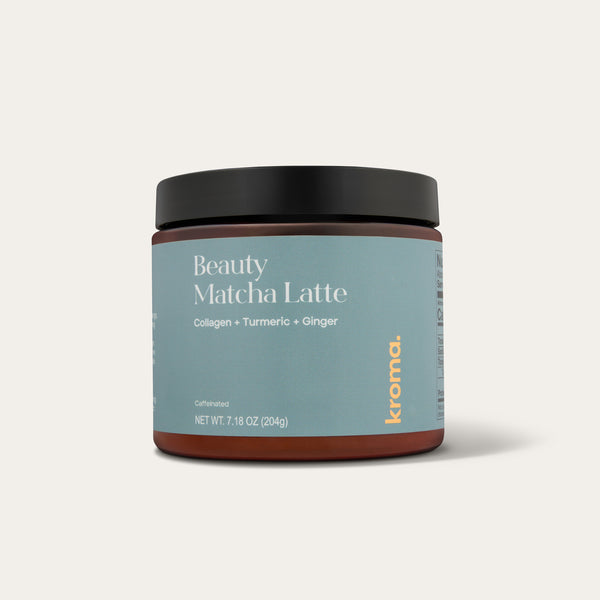

Beauty Matcha Latte ~ 24 Servings
Superfoods have been a wellness buzzword for more than a decade, but 2026 marks a clear shift: consumers want proof, not hype. As superfood science evolves, the conversation has moved beyond exotic berries and miracle claims. Today, the focus is on evidence-backed nutrition and ingredients that deliver measurable benefits and real support for energy, gut health, stress, and longevity.
So which superfoods still deserve your attention in 2026? And which ones are fading as research gets sharper?
Let’s break down the science, the hype, and the ones worth working into your daily routine.
Many foods get labeled “super” for marketing reasons, but what makes a food a superfood scientifically comes down to a few criteria:
High nutrient density per calorie
Rich antioxidant profiles, including vitamins, minerals, and polyphenols
Bioactive compounds that positively influence physiological processes
Clinically studied benefits, not just traditional use
High bioavailability, meaning your body can actually absorb and use the nutrients
Modern superfood science emphasizes outcomes you can measure: improved gut health, reduced inflammation, better stress response, or cognitive support — rather than vague wellness claims.
At their core, the benefits of superfoods come from concentrated nutrients and compounds that help the body function more efficiently. Research points to consistent themes:
Gut health: Fermented foods and fiber-rich superfoods support microbiome diversity.
Cognitive function: Mushrooms like lion’s mane show promising neuroprotective effects.
Inflammation reduction: Polyphenol-rich foods (greens, berries, microgreens) help regulate inflammation responses.
Stress and hormone balance: Adaptogens such as ashwagandha continue to validate their impact on cortisol and mood.
Not all superfoods perform equally. Clinical research is what separates credible ingredients from overhyped products.
Fermented superfoods, like kefir, kimchi, miso, and fermented adaptogens, remain at the top. Their impact on microbiome diversity is one of the most research-backed wellness benefits available today.
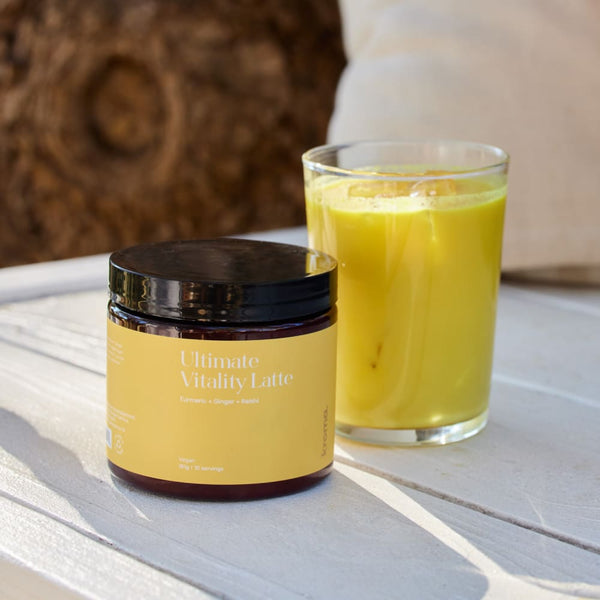
Lion’s mane, reishi, and cordyceps continue to dominate because they deliver. Their compounds help support immunity, stress resilience, and cognitive health. This is one category where the hype aligns closely with scientific findings.
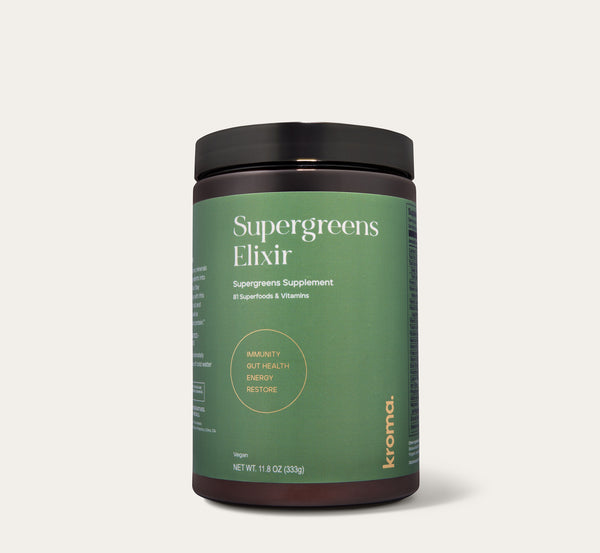
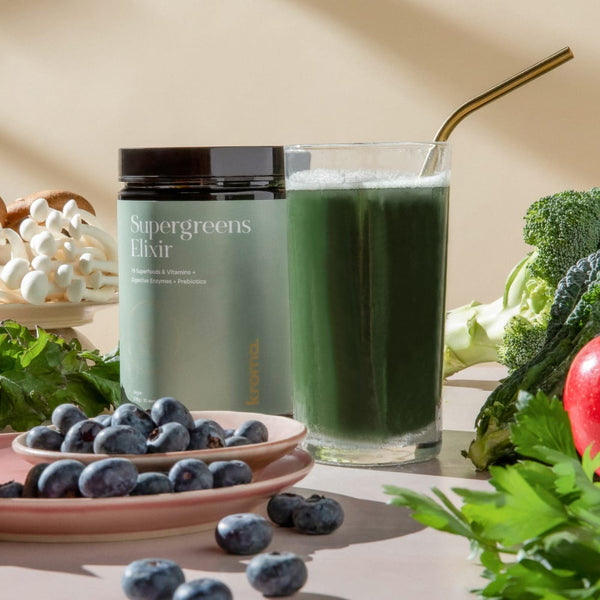
Spirulina, chlorella, kelp, and supergreens blends are nutrient powerhouses. They offer dense antioxidant profiles and support detoxification and cellular energy. As sustainability becomes central to wellness, algae-based superfoods shine even brighter.
Ashwagandha and rhodiola have matured from trend ingredients to evidence-backed stress supports. Their effects on cortisol and emotional regulation are better understood than ever.
Convenience is rewriting the way people consume superfoods. Enter: powders.
The biggest superfood powder benefits come from consistency and concentration. Powders allow you to take in a diverse range of nutrients quickly, without complicated meal prep. They also make it easier to control dosage, something that matters in evidence-based nutrition.
Greens powders provide robust micronutrient coverage, antioxidant support, and gentle detoxification. The superfood greens benefits extend to gut support, energy boost, and filling common dietary gaps, which are major reasons they remain a top seller in 2026.
For anyone trying to build a sustainable wellness routine, powders offer the simplest path to daily nourishment.
A quick framework for cutting through the noise:
Check for clinical research, not influencer testimonials.
Prioritize bioavailability — some nutrients absorb better in specific forms.
Look at dosage, because tiny amounts rarely provide real benefits.
Evaluate sourcing and purity, especially for mushrooms, greens, and algae.
If it doesn’t meet these standards, it’s probably not worth the investment.
You don’t need an extreme wellness routine to get real benefits. Start simple:
Add a quality greens blend to your morning routine.
Incorporate fermented foods a few times a week.
Use mushroom or adaptogen powders in coffee, matcha, or smoothies.
Swap in microgreens or algae-based products for a nutrient boost.
The goal is consistency, not perfection.
Superfoods aren’t about hype anymore; they’re about science. With more research in 2026, the ingredients worth your attention are the ones that improve how your body functions at a foundational level. By focusing on proven superfoods and using convenient formats like powders and greens, you can build a wellness routine that’s both simple and genuinely effective.
Last Edited: February 24, 2026
Beauty Matcha Latte ~ 24 Servings